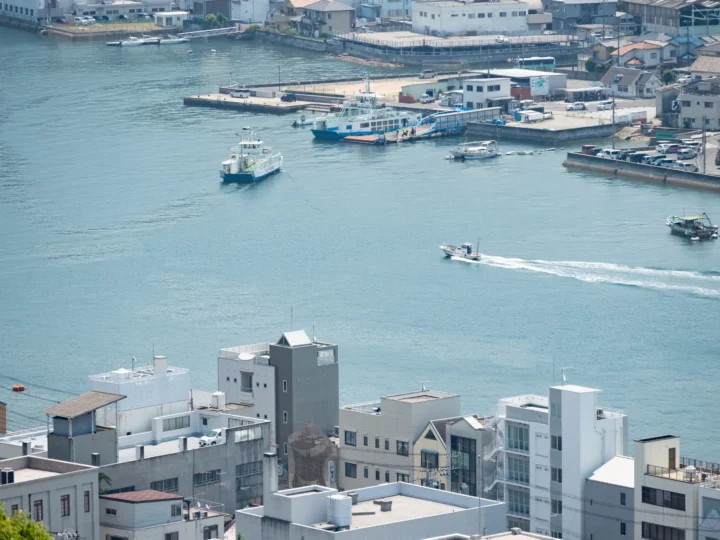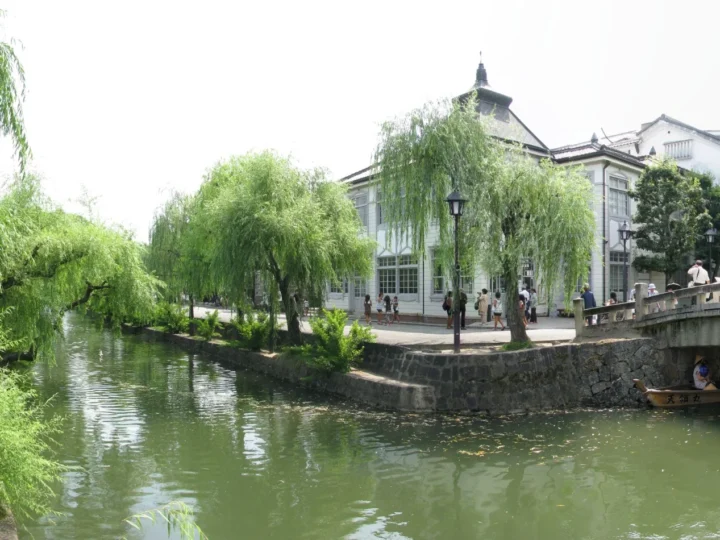
Okayama is often used as a base for visiting Kurashiki or the Setouchi islands, but there’s plenty to see in the city itself.
With one day in Okayama, you can wander through Korakuen Garden, visit the striking black Okayama Castle, stop for one of the city’s best-known local dishes, and then hop on a short train to Kibitsu Shrine — all without a car.
The morning covers Okayama’s classic sights, while the afternoon takes you somewhere quite different. Kibitsu Shrine is only about 17 minutes from Okayama Station by train, yet it feels far removed from the city center, with its distinctive architecture, old legends and long wooden corridor.
This route starts and ends at Okayama Station and gives you a full day without trying to squeeze in too much.
Okayama Day Trip at a Glance
- Best for: Gardens, history, local food and car-free travel
- Time needed: About 7–8 hours
- Start / End: Okayama Station
- Transport: Tram, JR train and walking
- Car needed: No
- Walking: Moderate
- Budget: Around ¥3,000–4,000 per person, excluding travel to and from Okayama
- Main stops: Korakuen Garden → Okayama Castle → Demi-katsudon → Kibitsu Shrine
Korakuen and Okayama Castle fit naturally into the same morning, but don’t spend the whole day around the city center. Save the afternoon for Kibitsu Shrine — it adds a completely different side of Okayama to the trip.
One Day in Okayama: Sample Schedule
| Time | Place | Plan |
|---|---|---|
| 8:30 AM | Okayama Station | Start your day and head toward Korakuen |
| 9:00 AM | Korakuen Garden | Explore the garden |
| 10:20 AM | Okayama Castle | Cross the river and visit the castle |
| 11:45 AM | Lunch | Try Okayama-style demi-katsudon |
| Around 1:00 PM | Okayama Station | Take the JR Momotaro Line |
| Around 1:30 PM | Kibitsu Shrine | Explore the shrine and its long corridor |
| Around 3:30 PM | Okayama Station | Return to central Okayama |
Think of these times as a guide rather than a schedule you need to follow minute by minute. There’s no need to rush through Korakuen just to catch one particular train.
The one thing worth checking in advance is the JR Momotaro Line timetable for Kibitsu, especially for your return journey.
Trains to Kibitsu are less frequent than transport around central Okayama. Check your outbound and return options before you leave Okayama Station.
Map: One Day in Okayama
The map below shows all the main stops in this one-day Okayama itinerary, from Korakuen Garden and Okayama Castle to Kibitsu Shrine.
Open the full-size Okayama map
Your One-Day Okayama Itinerary
8:30 AM — Start at Okayama Station
Start at Okayama Station and take the Higashiyama-bound tram to Shiroshita.
The tram ride takes about four minutes, and from Shiroshita it’s roughly a 10-minute walk to Korakuen Garden.
ROUTE 1
Okayama Station
↓
Shiroshita
↓
Korakuen Garden
Tram: About 4 minutes
Walk: About 10 minutes
You can walk all the way from Okayama Station, but the tram is an easy way to save your legs. You’ll have plenty of walking later at Korakuen and Kibitsu Shrine.
9:00 AM — Start the Morning at Korakuen Garden
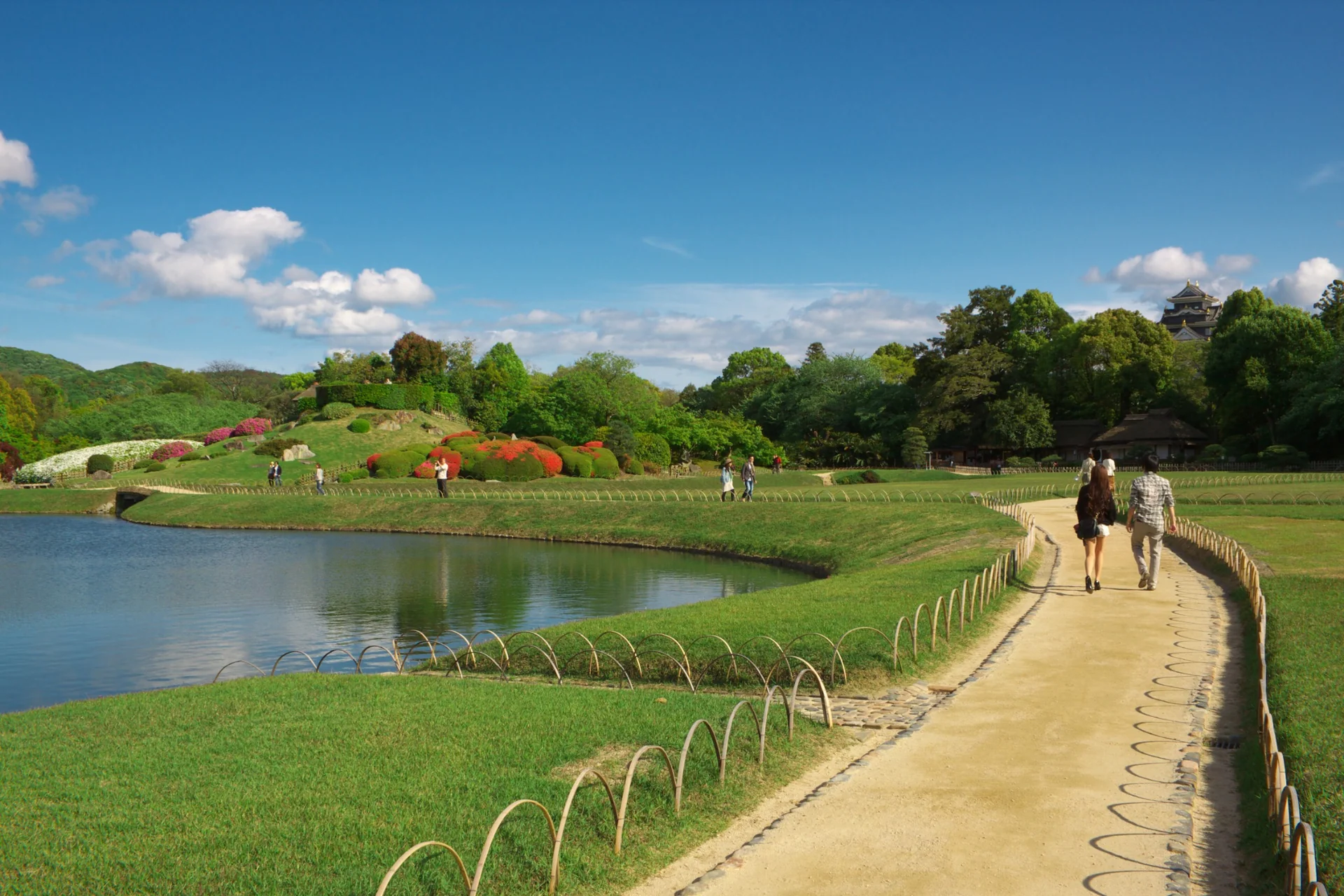
Korakuen is one of Okayama’s signature sights, and morning is a great time to see it before moving on to the castle.
One of the first things you’ll notice is how open the garden feels. Instead of being packed with buildings and narrow paths, Korakuen spreads out around wide lawns, ponds, streams and carefully framed views.
As you walk, you’ll also catch glimpses of Okayama Castle beyond the garden — a nice preview of where you’re heading next.
Give yourself about 60–75 minutes here. That’s enough time to explore without rushing while still leaving plenty of room for the rest of the day.
Korakuen also opens earlier than Okayama Castle, which makes this order particularly convenient.
Korakuen Practical Information
Admission:
¥500 for adults
Opening hours:
March 20–September 30: 7:30 AM–6:00 PM
October 1–March 19: 8:00 AM–5:00 PM
Last admission is 15 minutes before closing.
If you’re entering Okayama Castle as well, the combination ticket is cheaper than buying the two tickets separately.
10:20 AM — Walk to Okayama Castle
From Korakuen, cross the Asahi River and continue to Okayama Castle.
It’s an easy transition between the city’s two best-known sights, and there’s no need to get back on public transport.
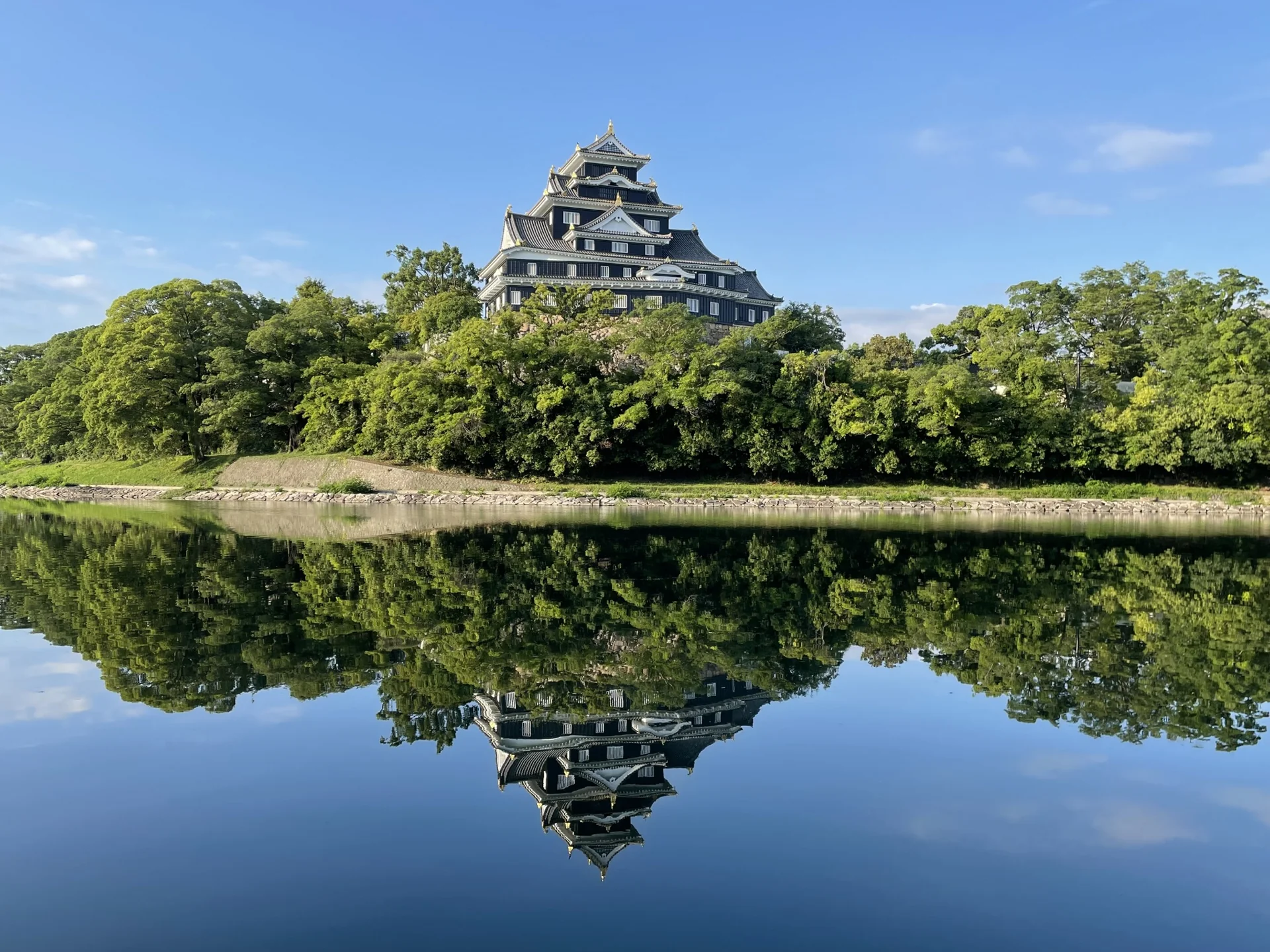
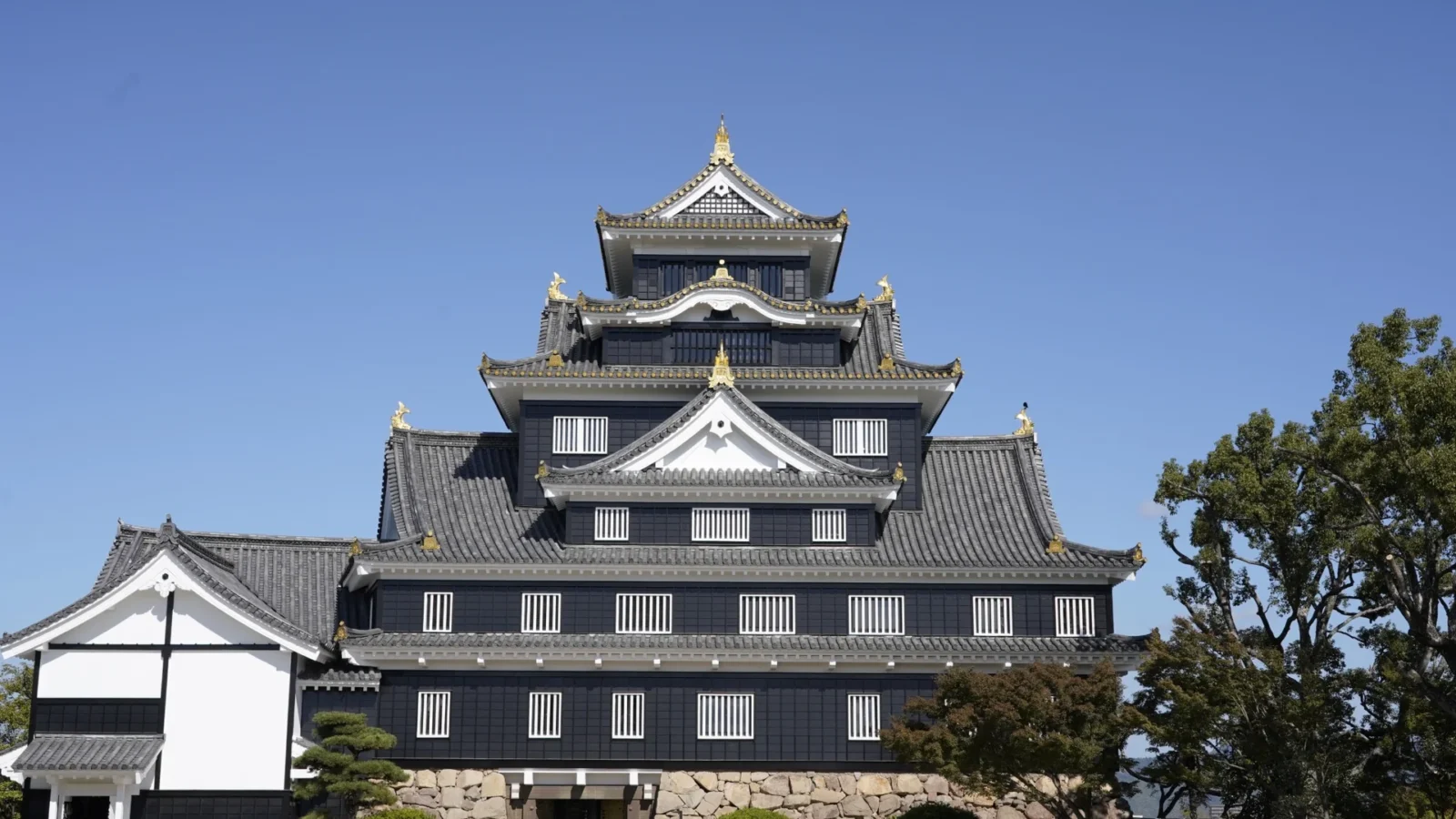
You’ll probably notice the color before anything else.
Okayama Castle’s dark exterior earned it the nickname Ujo, or “Crow Castle,” and gives it a very different look from Japan’s better-known white castles.
The present castle tower is a reconstruction, but inside you can learn more about the castle and the people who shaped Okayama’s history. Head up to the higher floors for views across the city and back toward Korakuen.
Around 60–70 minutes is enough for most visitors on this itinerary.
Okayama Castle Practical Information
Admission:
¥500 for adults
Opening hours:
9:00 AM–5:30 PM
Last admission:
5:00 PM
Closed:
December 29–31
Save with the Combination Ticket
Planning to enter both Korakuen and Okayama Castle?
The ¥800 combination ticket saves ¥200 compared with buying two separate ¥500 tickets.
By around 11:30 AM, you’ll have covered Okayama’s two big central sights. Next up: lunch.
11:45 AM — Try Okayama’s Demi-Katsudon
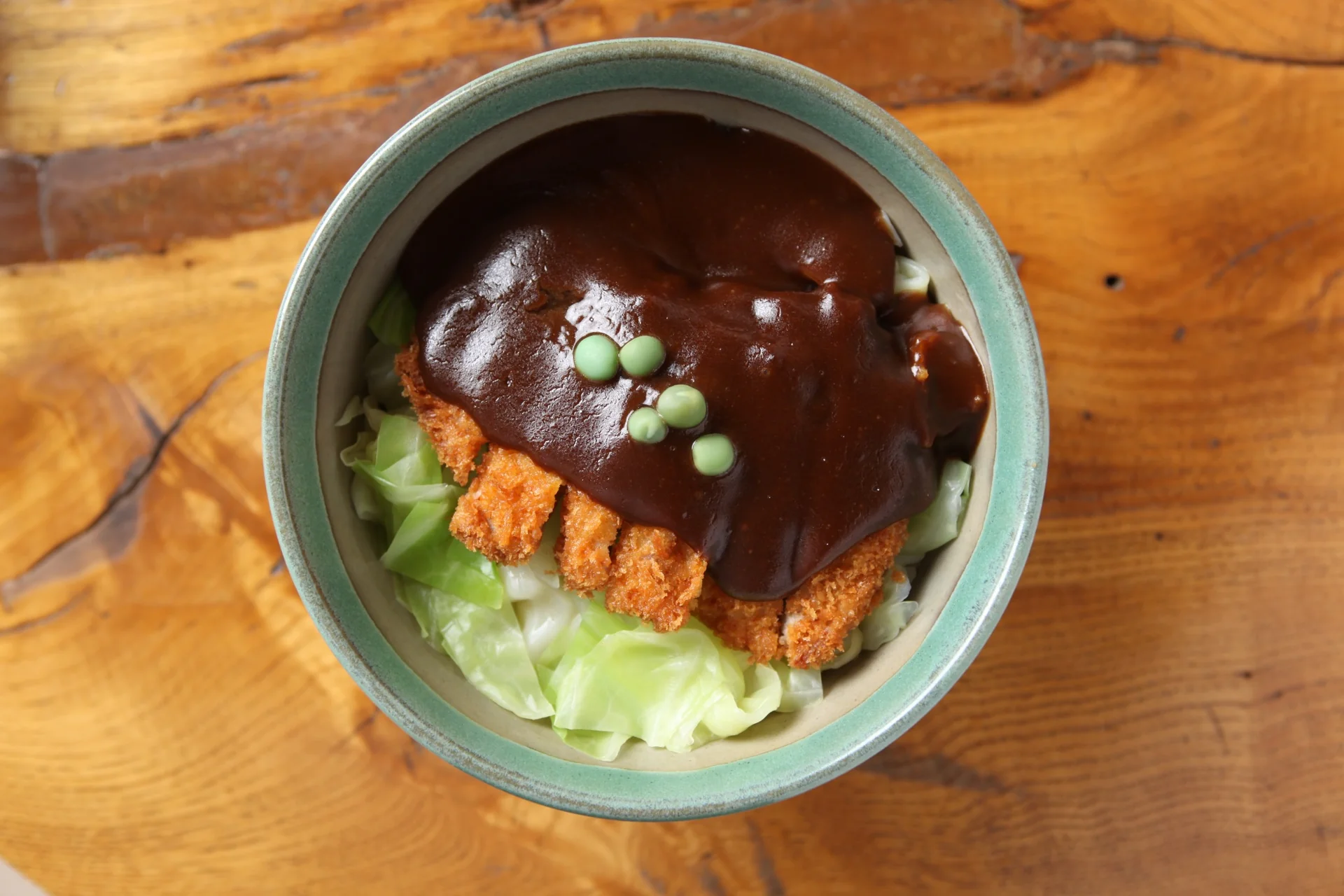
If you’ve had katsudon elsewhere in Japan, Okayama’s version may catch you by surprise.
Instead of the usual pork cutlet simmered with egg, demi-katsudon is topped with a rich demi-glace-style sauce. It’s a satisfying mix of tonkatsu and yoshoku — Japan’s take on Western-style comfort food.
One of the best-known places to try it is Katsudon Nomura, a long-running restaurant in central Okayama.
Its location works well for this route: have lunch, then make your way back to Okayama Station for the afternoon train to Kibitsu.
Allow around 45–60 minutes for lunch, especially if there’s a queue.
Nomura is normally closed on Mondays, and opening hours can change around holidays. Check before you go, but don’t build your whole day around one restaurant. If it’s closed or busy, there are other places to try demi-katsudon nearby.
Not in the mood for tonkatsu? Okayama barazushi, a colorful local style of sushi topped with assorted ingredients, is another regional dish to look out for.
1:00 PM — Take the JR Momotaro Line to Kibitsu
After lunch, head back to Okayama Station and take the JR Momotaro Line to Kibitsu Station.
The ride takes roughly 17 minutes. From Kibitsu Station, it’s about a 10-minute walk to the shrine.
ROUTE 2
Okayama Station
↓
Kibitsu Station
↓
Kibitsu Shrine
JR Momotaro Line: About 17 minutes
Walk: About 10 minutes
Car required: No
It’s a short train ride, but the change of pace is noticeable.
The busy streets around Okayama Station give way to a quieter setting, and this is where the day starts to feel less like a standard city sightseeing route.
Before leaving Kibitsu Station, take a quick look at the return timetable. Knowing when the next trains leave means you can enjoy the shrine without constantly checking the clock.
1:30 PM — Explore Kibitsu Shrine
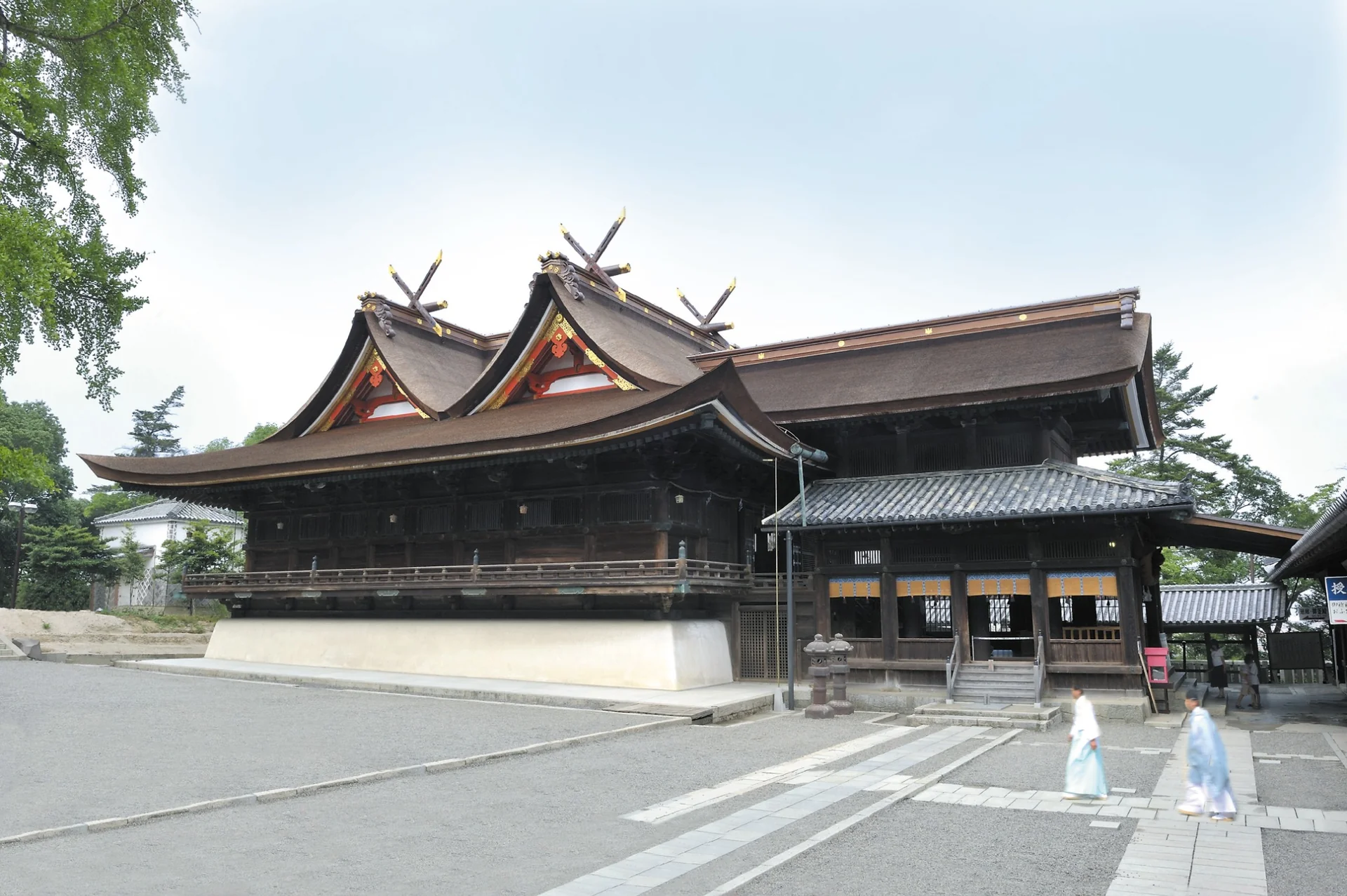
Kibitsu Shrine is one of the reasons I wouldn’t end an Okayama day trip after the castle.
The shrine is dedicated to Kibitsuhiko-no-Mikoto, a legendary prince associated with the ancient Kibi region.
Local legends tell of his battle with Ura, a figure often portrayed as an ogre or demon. These stories are frequently linked to possible origins of Momotaro, the famous Japanese folktale about a boy born from a peach who sets out to defeat ogres.
It’s best to think of this as local legend rather than a single, settled origin story — different traditions around Japan are associated with Momotaro too. But here in Okayama, the connection between Kibitsuhiko, Ura and Momotaro remains an important part of the region’s cultural story.
There’s plenty to see even if folklore isn’t your thing.
Kibitsu Shrine’s main hall and worship hall are designated National Treasures, and their unusual architectural style is known as Kibitsu-zukuri. The roofline alone makes the building look quite different from most shrines you’ll see elsewhere in Japan.
Take your time around the main buildings before heading farther into the grounds.
Don’t Miss the 360-Meter Corridor
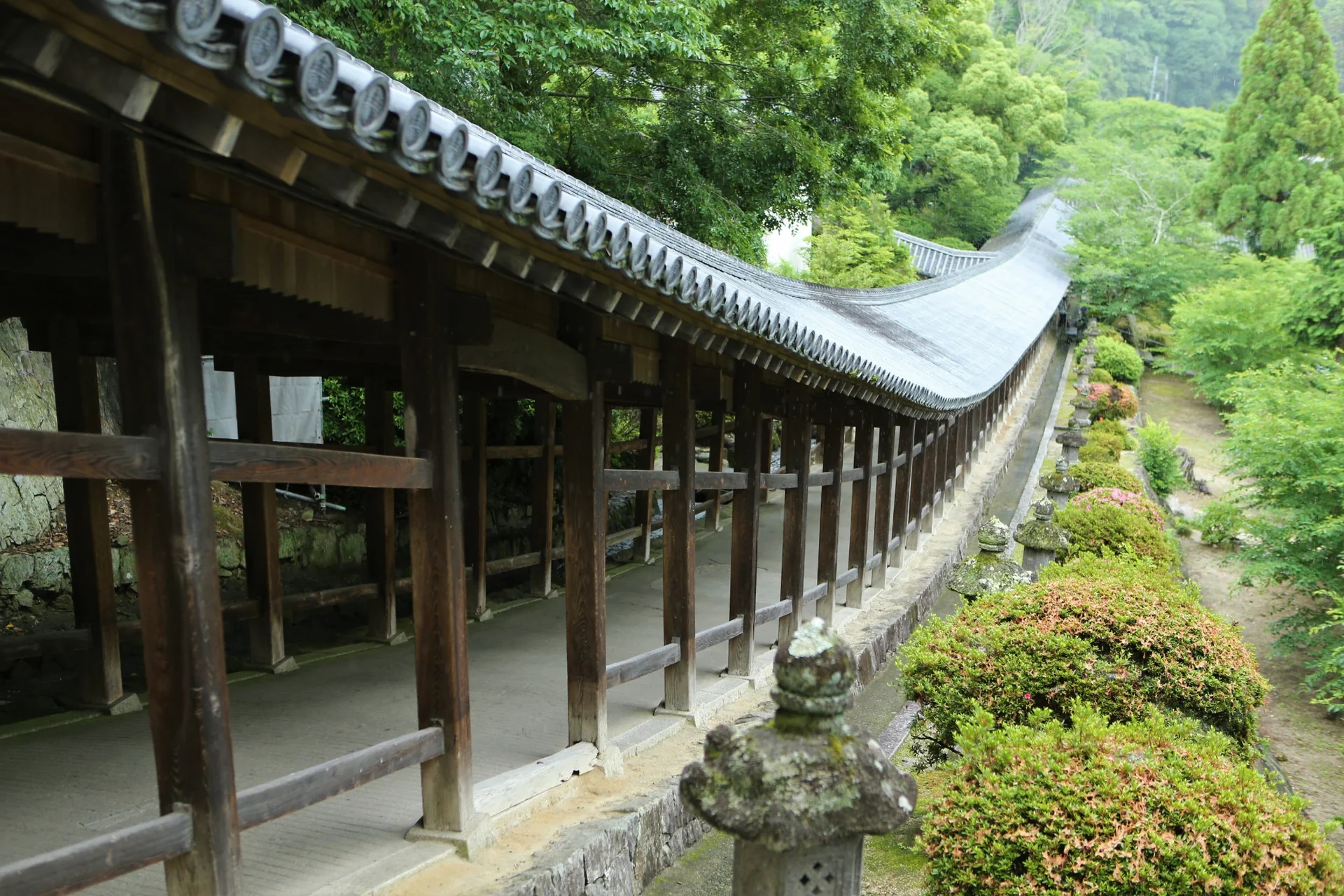
For me, the long wooden corridor is the part of Kibitsu Shrine worth slowing down for.
It stretches for around 360 meters, following the natural slope of the hillside. Rows of wooden pillars frame the path as it gently rises and falls, and the view changes as you move along it.
Don’t just walk straight through.
Stop once or twice and look back. The repeating pillars and sloping floor give you a completely different perspective in each direction.
After the wide lawns of Korakuen and the busy castle area, the corridor is also a pleasantly quiet way to end the sightseeing part of the day.
Allow around 60–90 minutes for Kibitsu Shrine as a whole.
What Is the Narukama Ritual?
You may also come across references to the Narukama Shinji, a traditional ritual associated with the legend of Ura.
During the ritual, the sound made by a cauldron is interpreted in connection with a person’s fortune. It’s one of Kibitsu Shrine’s distinctive traditions, but you don’t need to take part to enjoy the shrine.
The ritual has its own procedures and timing, and photography is restricted in the ritual area. Follow the shrine’s posted rules if you visit.
Around 3:30 PM — Head Back to Okayama Station
Walk back to Kibitsu Station and take the JR Momotaro Line to Okayama.
We’ve deliberately left the rest of the afternoon open.
If lunch ran long, you spent more time at the shrine, or the train timing wasn’t perfect, you won’t have to rush to another attraction. And if you’re back early, there’s always time for coffee, shopping around the station or an early dinner.
It also works well if Okayama is just one stop on a longer trip and you’re continuing somewhere else that evening.
By now, you’ve seen several very different sides of the city and its surroundings: Korakuen’s landscaped gardens, Okayama’s castle-town history, a local comfort food, and the legends and architecture of Kibitsu Shrine.
How Much Does One Day in Okayama Cost?
You don’t need a huge budget for this route.
Plan on roughly ¥3,000–4,000 per person, excluding whatever it costs you to reach Okayama in the first place.
| Item | Estimated cost |
|---|---|
| Korakuen + Okayama Castle combination ticket | ¥800 |
| Local transportation | Varies |
| Lunch | Around ¥1,000–1,500 |
| Kibitsu Shrine grounds | Free |
| Estimated total | Around ¥3,000–4,000 |
Transport costs depend on exactly how you get around and the fares in effect when you visit, so use this as a rough planning figure rather than an exact total.
Practical Tips for Your Okayama Day
Check the Kibitsu Train Times
Kibitsu is easy to reach without a car, but trains are less frequent than transport in central Okayama.
A quick timetable check before you leave Okayama Station — and again before walking away from Kibitsu Station — can save you a lot of waiting around.
Start with Korakuen
Korakuen opens before Okayama Castle, so there’s little reason to do the route in reverse.
Garden first, castle second, lunch, then Kibitsu keeps the day simple and avoids unnecessary backtracking.
Wear Shoes You’re Happy Walking In
There’s no serious hiking here, but you’ll spend a good part of the day on your feet.
Between Korakuen, the castle area, the walk from Kibitsu Station and the shrine grounds, comfortable shoes are worth it.
Have a Backup Lunch Option
Nomura is a good choice for demi-katsudon, but restaurants close, queues happen, and opening hours change.
If the timing doesn’t work, try another demi-katsudon restaurant or switch to another Okayama specialty rather than waiting around and losing time at Kibitsu.
Getting to Okayama
Okayama sits on the Sanyo Shinkansen, so it fits easily into a trip through western Japan.
From Osaka
The Sanyo Shinkansen runs from Shin-Osaka to Okayama Station, making Okayama straightforward to reach from Osaka.
You can use this itinerary as a day trip, although staying in Okayama gives you more flexibility and removes the need to plan the afternoon around a return train.
From Kyoto
Okayama is also easy to reach from Kyoto by Shinkansen.
If you’re coming specifically for the day, aim to arrive around the start of this itinerary so you have enough time for Kibitsu in the afternoon.
From Hiroshima
Traveling east from Hiroshima? Okayama is also directly connected by the Sanyo Shinkansen.
That makes it an easy stop on a longer Kansai–Okayama–Hiroshima route.
Shinkansen schedules and fares depend on the service and ticket you use. Check the current options for your travel date rather than relying on an old fare quoted online.
Where to Go After Okayama
If you have more time, Okayama is a handy jumping-off point for several places around the Chugoku and Setouchi regions.
Kurashiki
Have another day? Kurashiki would be my first addition.
Its Bikan Historical Quarter has canals, old merchant buildings and museums, giving it a very different feel from this Okayama route.
I wouldn’t squeeze Kurashiki into the afternoon after Okayama Castle. Give it a day of its own if you can.
Onomichi
If you’re continuing west toward Hiroshima, Onomichi is another natural stop.
Its hillside temples, narrow lanes and views across the Seto Inland Sea make for a good change of scenery after Okayama.
Naoshima and the Setouchi Islands
Heading toward Naoshima? Okayama also fits naturally before or after a trip to the Setouchi islands.
From Okayama, you can continue south toward Uno and take the ferry from there.
Is One Day in Okayama Enough?
For this route, yes.
A full day gives you enough time for Korakuen, Okayama Castle, lunch and Kibitsu Shrine without turning the trip into a race.
What I wouldn’t do is add Kurashiki to the same day.
Yes, Kurashiki is close to Okayama. But fitting Korakuen, the castle, Kibitsu and Kurashiki into one itinerary means spending more of the day watching the clock and less time actually enjoying each place.
If you have two days, keep it simple:
Day 1:
Okayama City + Kibitsu Shrine
Day 2:
Kurashiki
FAQ: One Day in Okayama
Is one day enough for Okayama?
Yes. One full day gives you enough time for Korakuen Garden, Okayama Castle, lunch in central Okayama and Kibitsu Shrine. If you want to visit Kurashiki too, add another day.
Can I explore Okayama without a car?
Yes. You can follow this entire route using a tram, JR trains and walking. Kibitsu Shrine is roughly 17 minutes from Okayama Station by train, followed by about a 10-minute walk.
Is Okayama worth visiting if I’m already going to Kurashiki?
The two make a good pair because they offer quite different experiences. Kurashiki is known for its historic canal district, while Okayama gives you Korakuen, the castle, local food and Kibitsu Shrine. If your schedule allows, spend a day in each.
How long does it take to get from Okayama Station to Kibitsu Shrine?
The train from Okayama Station to Kibitsu Station takes roughly 17 minutes, followed by about a 10-minute walk to the shrine.
Check the timetable before you go, as trains are less frequent than transport in central Okayama.
Should I visit Korakuen or Okayama Castle first?
Start with Korakuen. It opens earlier, and from there you can walk straight to Okayama Castle without backtracking.
Final Thoughts
Okayama is easy to pass through on the way to somewhere else. Give it a full day, though, and there’s more variety here than you might expect.
You’ll start among the open lawns and ponds of Korakuen, cross over to the black walls of Okayama Castle, try a local bowl of demi-katsudon, then leave the city center behind for Kibitsu Shrine.
That last stop is what makes this route work for me.
Walking along Kibitsu’s long wooden corridor feels a world away from the station you left less than half an hour earlier — and it gives the day a quieter finish than simply adding another attraction downtown.
If you have another day, head to Kurashiki next. Don’t squeeze it into this itinerary; it deserves time of its own.
Official Information