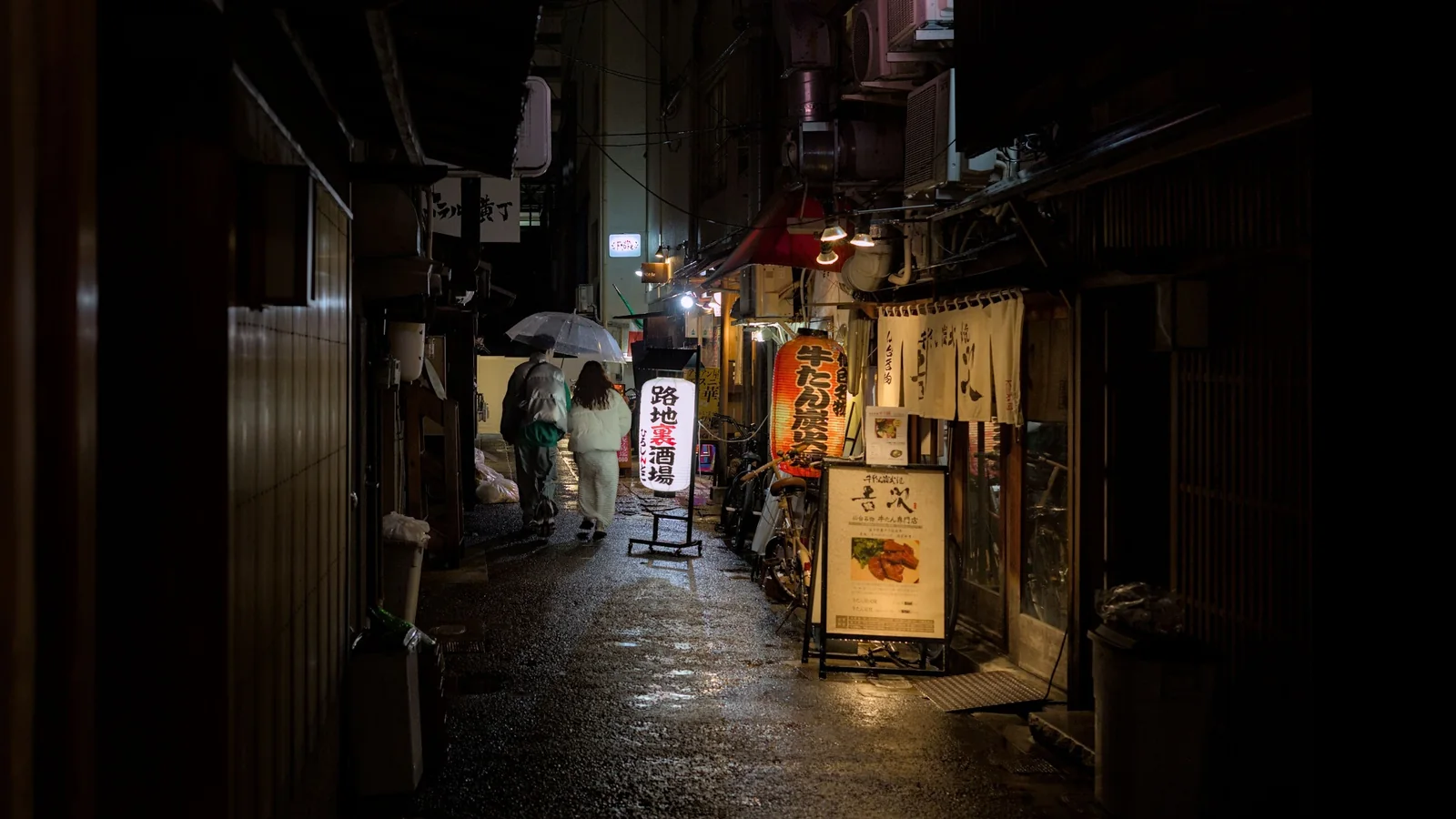
Rain can change the pace of an Osaka trip, but it does not have to erase the day.
Instead of moving between exposed landmarks, this Osaka rainy day itinerary connects
museums, department-store dining, underground passages and covered shopping streets
from Tanimachi 4-chome to Tennoji and Namba.
The route begins with Osaka’s history rather than a rushed photo stop at Osaka Castle.
It then moves south to Abeno Harukas for lunch and a changing art exhibition before
continuing to the small but distinctive Kamigata Ukiyo-e Museum and the sheltered
shopping areas of Namba.
It is designed especially for repeat visitors who want a cultural day that still feels
connected to Osaka. You will learn how the city developed, eat at businesses with local
roots and finish around Dotonbori with an optional comedy show created to be more
accessible to international visitors.
Osaka Rainy Day Itinerary at a Glance
Why This Route Works on a Rainy Day
A useful rainy-day route should do more than collect indoor attractions. It should
also reduce unnecessary transfers, avoid long exposed walks and provide alternatives
when one museum or event is unavailable.
This itinerary follows a simple north-to-south direction. Tanimachi 4-chome and
Tennoji are connected by the Osaka Metro Tanimachi Line, while Tennoji and Namba have
frequent subway connections. Once you reach Namba, underground malls and covered
arcades make it easier to adjust the final part of the day according to the weather.
The route also avoids making shopping malls the entire point of the day. Osaka’s
ancient political history, merchant-era cityscape, local Western-style food,
woodblock-print culture and comedy traditions all remain part of the experience.
For a broader explanation of IC cards, Osaka Metro and the city’s railway networks,
see our
guide to getting around Osaka
.
9:30 — Start at the Osaka Museum of History
Stop 1 · Suggested time: 90–120 minutes
Begin at the Osaka Museum of History beside the former Naniwa Palace site. Osaka is
often introduced through food, nightlife and the castle, but the city’s story began
long before the neon streets of Namba.
The permanent exhibition is arranged as a journey through time. Visitors take the
elevator to the 10th floor, where a partial reconstruction of the Nara-period
Daigokuden introduces the age of Naniwa Palace. Life-size vermilion pillars and figures
in court dress help make the ancient capital easier to understand than a display of
small objects alone.
Continue downward to the merchant and water city of early-modern Osaka. Miniature
townscapes show busy streets, waterways and the commercial life that shaped the city.
The lower floors then move toward the late Taisho and early Showa periods, including
recreated scenes inspired by Shinsaibashi and Dotonbori.
This makes the museum a strong first stop for repeat visitors. Later in the day, the
entertainment streets around Namba feel less like an isolated tourist district and
more like the latest version of a city that has repeatedly rebuilt its commercial
and cultural center.
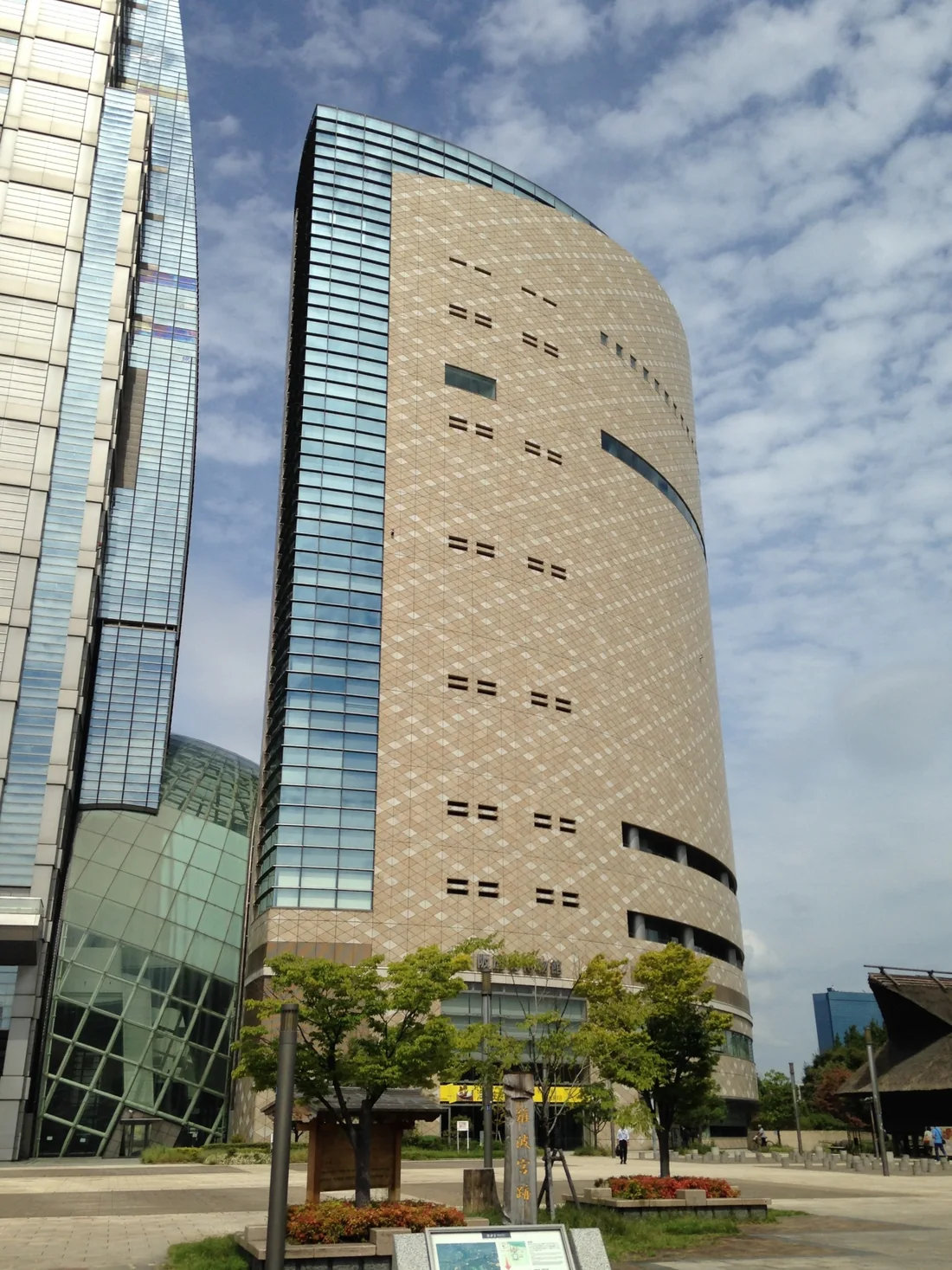
Photo:
Soramimi / Wikimedia Commons
·
CC BY-SA 4.0
· Resized and converted to WebP.
9:30–17:00, with last admission 30 minutes before closing
Tuesday; if Tuesday is a national holiday, the museum generally closes Wednesday
Adults ¥600; high-school and university students ¥400
Tanimachi 4-chome, near Exit 2 or Exit 9
Special exhibitions may require a separate ticket and can change the practical
visiting time. Check the current exhibition schedule before your trip.
12:00 — Have Lunch Inside Abeno Harukas
Lunch stop · Suggested time: 60–75 minutes
Abeno Harukas is useful on a wet day because lunch and the next museum stop can be
completed within the same large complex. Instead of leaving Tennoji Station to search
through side streets in the rain, go to the restaurant floors of the Kintetsu
Department Store.
The goal is not to choose the most famous restaurant in Osaka. It is to eat somewhere
with a meaningful local connection while keeping the route practical. The following
three options cover different budgets and travel styles.
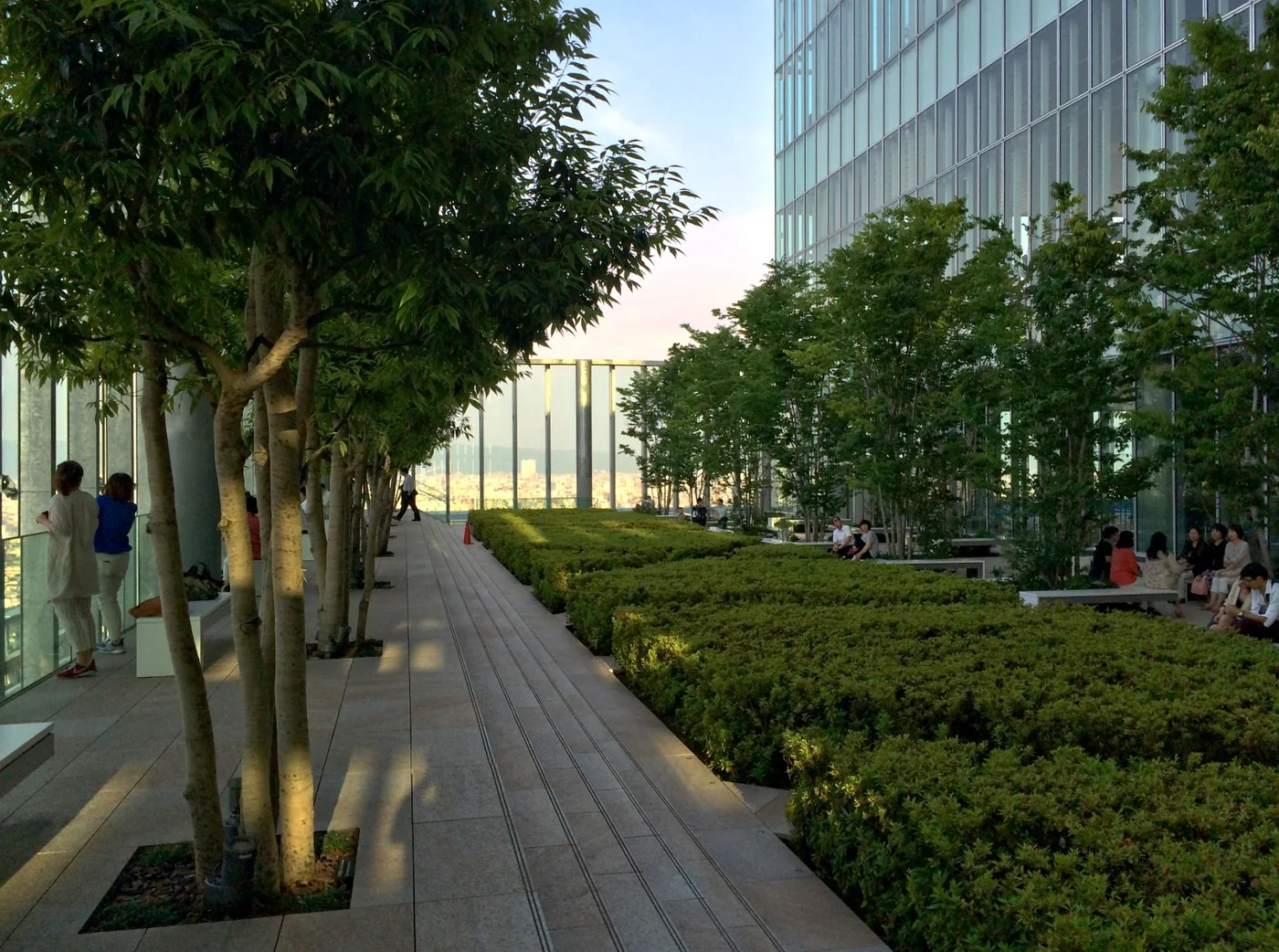
Photo:
Wpcpey / Wikimedia Commons
·
CC BY 4.0
· Resized and converted to WebP.
Recommended: Showacho BOSTON
Best for: A classic Osaka-style Western lunch
Showacho BOSTON began in Osaka’s Abeno area and specializes in Japanese
hamburger steak. The Abeno Harukas branch serves the same local
yoshoku tradition in a convenient department-store setting.
Hamburger steak with demi-glace sauce is the natural first choice. It is a warmer,
more substantial lunch than a quick snack and suits a slow museum day particularly
well when the weather is cool.
Planning budget: Lunch starts from around ¥1,640.
Lunch hours: Usually 11:00–15:30, with last orders around 15:00.
Location: Abeno Harukas Dining, 12th floor.
Other Good Lunch Options
Ramen Kotan
Best for: A quicker and more affordable lunch
Kotan was born in Abeno and has served its cloudy, savory soup and noodles in
Osaka for decades. It is the easiest option when you want to protect more time
for the afternoon art exhibition.
Planning budget: From around ¥900 at lunch.
Typical hours: 11:00–22:00.
Location: Abeno Harukas Dining, 12th floor.
Senri Shabuchin
Best for: Solo travelers who want Japanese hot pot
This Osaka-born restaurant specializes in individual shabu-shabu pots, making it
easier for solo diners to enjoy hot pot without ordering a large shared course.
It is a comfortable rainy-day option when you want a slower lunch.
Planning budget: Lunch from around ¥1,420.
Typical hours: 11:00–22:00.
Location: Abeno Harukas Dining, 12th floor.
13:15 — Visit Abeno Harukas Art Museum
Stop 2 · Suggested time: 75–105 minutes
After lunch, take the elevators to the 16th floor for Abeno Harukas Art Museum.
Because the museum is inside the same complex as the restaurants and department
store, this is the easiest part of the itinerary to complete without reopening
your umbrella.
Abeno Harukas Art Museum holds temporary exhibitions rather than maintaining
one permanent collection. Its program covers a broad range of Japanese,
Asian and Western art, as well as modern and contemporary exhibitions.
This variety is one of the museum’s strengths, but it also means you should
check the current exhibition before adding it to your day. A major painting
exhibition may deserve more than 90 minutes, while a smaller show may leave
enough time for a short break near the 16th-floor garden.
Abeno Harukas, 16th floor
Tuesday–Friday: 10:00–20:00
Monday, Saturday, Sunday and national holidays: 10:00–18:00
¥2,100 for the exhibition running through September 9, 2026
Last admission is 30 minutes before closing. Closed dates vary by exhibition.
15:30 — Discover Osaka’s Kamigata Ukiyo-e Culture
Stop 3 · Suggested time: 45–60 minutes
The Kamigata Ukiyo-e Museum is much smaller than the major museums visited
earlier in the day, but its specialized focus makes it particularly suitable
for repeat visitors.
The museum introduces woodblock prints produced in the Osaka and Kyoto region,
rather than treating ukiyo-e only as an art form connected with Edo,
present-day Tokyo.
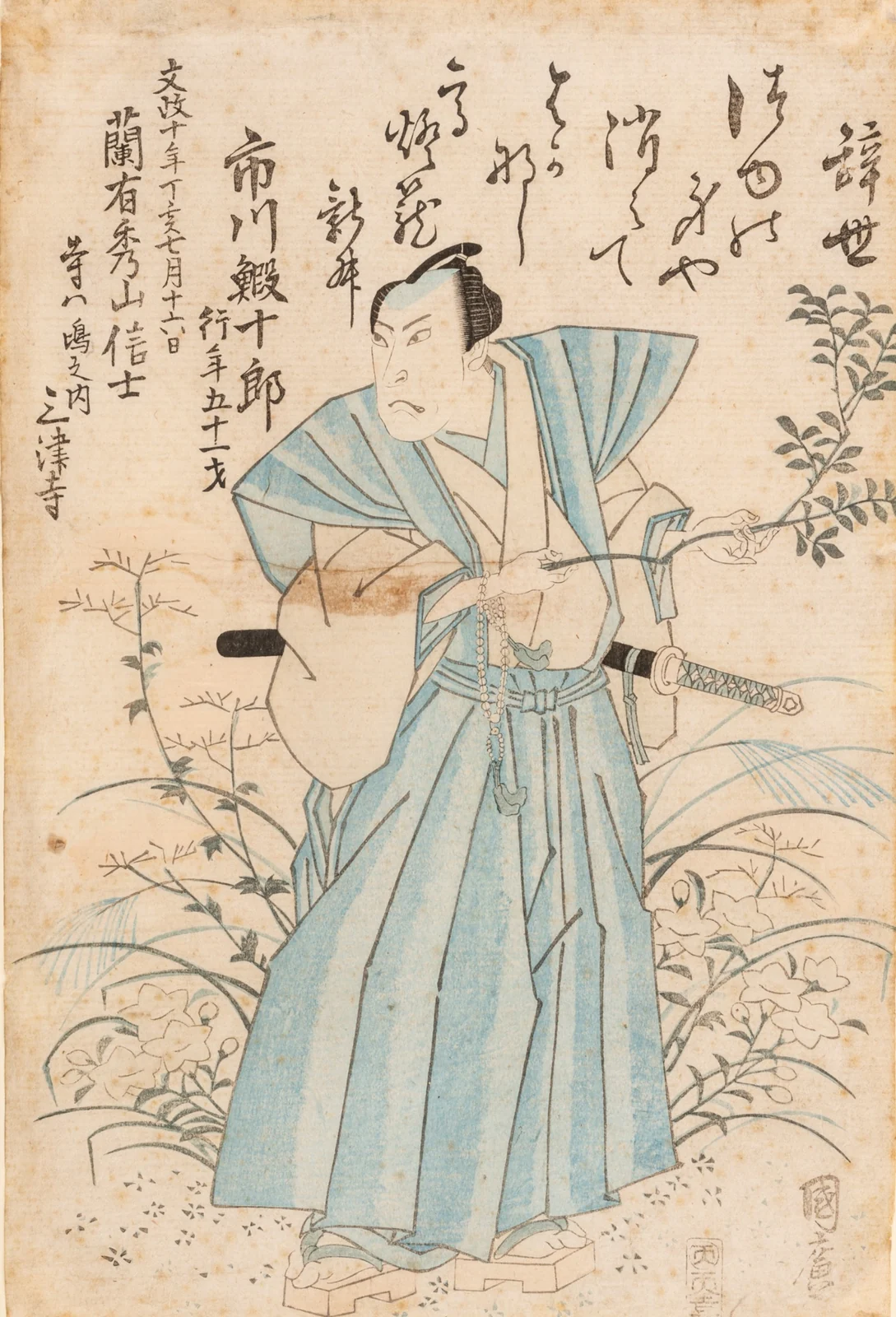
Many surviving Kamigata prints portray kabuki actors. Osaka artists often
represented performers with recognizable facial characteristics, recording
both the theatrical role and the individual actor who performed it.
The museum stands close to Hozenji and Dotonbori, an area historically associated
with theater and popular entertainment. The location connects the actor-print
culture of earlier Osaka with the entertainment district that still surrounds
the museum today.
of Kamigata actor-print culture. This does not indicate that the work is
currently displayed at the museum.
Utagawa Kunihiro / Royal Albert Memorial Museum via Wikimedia Commons
· Public Domain · Resized and converted to WebP.
11:00–18:00, with last admission at 17:30
Tuesday–Sunday; check the official calendar around public holidays
¥700
Around five minutes from Namba Walk Exit 16
16:45 — Explore Namba’s Covered and Underground Streets
Flexible stop · Suggested time: 60–90 minutes
The final sightseeing section is deliberately flexible. Namba contains a
mixture of underground malls, station-connected shopping complexes and
roofed shopping arcades, allowing you to change the route according to
the strength of the rain.
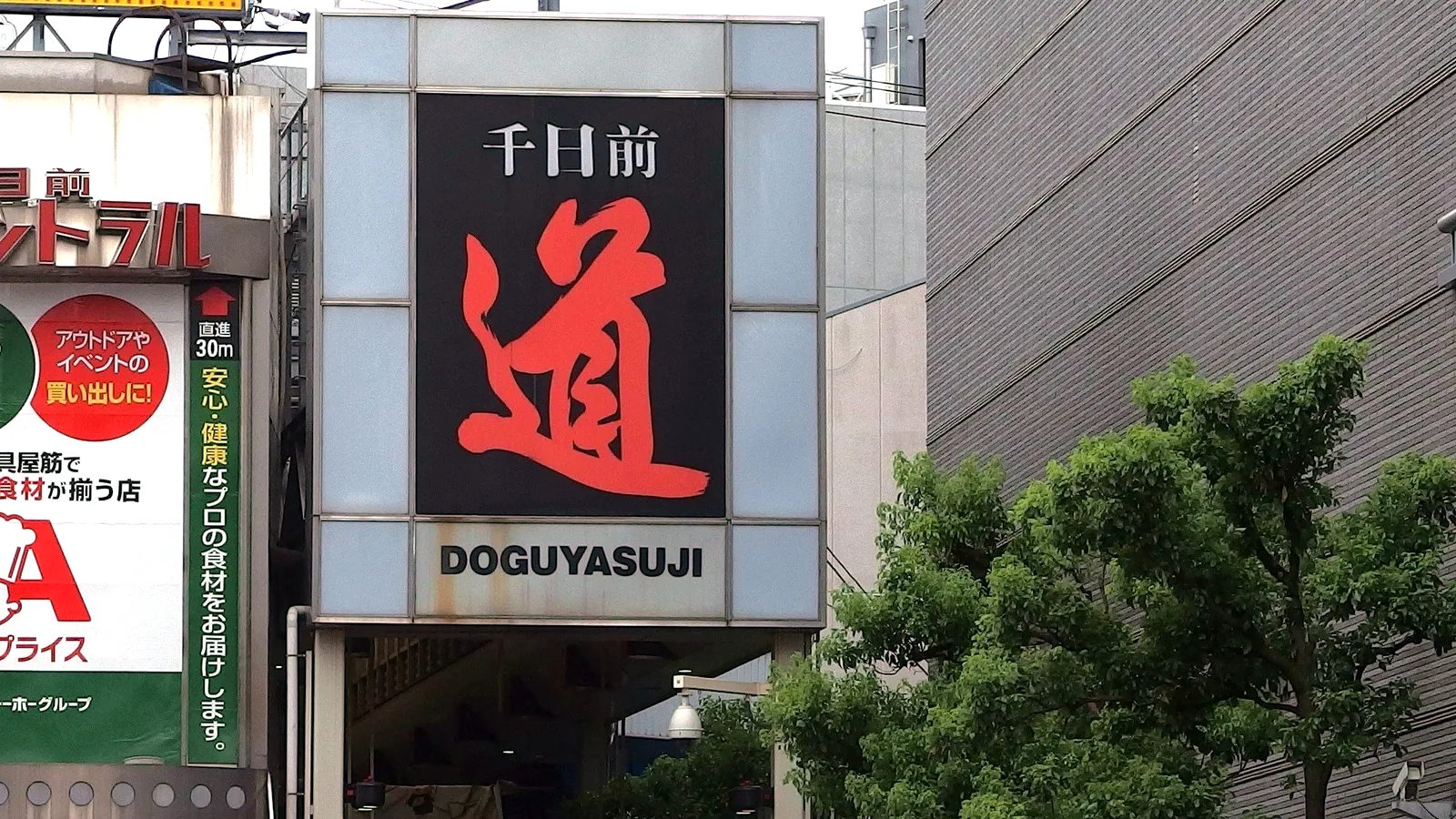
From the Kamigata Ukiyo-e Museum, move through the Sennichimae area toward
Sennichimae Doguyasuji. This compact arcade specializes in the tools behind
Japanese restaurant culture: kitchen knives, pots, tableware, lanterns,
signs, noren curtains and realistic food samples.
Doguyasuji is more interesting than an ordinary shopping mall because it
continues to serve chefs and restaurant owners. Even without buying anything,
it provides a quick look at the equipment supporting Osaka’s reputation as
one of Japan’s great food cities.
restaurant-supply street.
Photo:
Mc681 / Wikimedia Commons
·
CC BY-SA 4.0
· Cropped and converted to WebP. The derivative image is shared under
the same license.
| Place | Best use on a rainy day |
|---|---|
| Sennichimae Doguyasuji |
Browse Japanese knives, cookware, ceramics, shop signs and food samples beneath a covered arcade. |
| Sennichimae Shopping Street |
Follow a central covered route between Namba, Dotonbori and the surrounding entertainment streets. |
| Namba Walk |
Use the underground passages when the rain becomes heavier or when transferring between Namba railway lines. |
| Namba CITY |
Stay indoors for shopping, restaurants and direct access to Nankai Namba Station. |
Optional Coffee Break: Marufuku Coffee Sennichimae
Best for: A classic Osaka kissaten break
Marufuku Coffee was founded in Osaka in 1934, and its Sennichimae main
shop provides a slower, more traditional alternative to a modern
station café.
Its strong house coffee, retro interior and copper-plate hotcakes suit
the mood of a wet afternoon in old Minami. The shop is close enough to
the museum and covered streets to work as an optional break rather than
a major detour.
Skip the café when you have a ticket for an early comedy performance
or when the museum visits have already pushed the schedule behind.
Typical hours: 8:00–23:00.
What to try: House coffee, hotcakes or pudding.
Location: 1-9-1 Sennichimae, Chuo Ward.
Evening — Dinner and an English-Friendly Osaka Comedy Show
Optional evening · Check the performance calendar
When a performance is scheduled, finish the route at Yoshimoto Dotonbori
Theater with Yoshimoto Comedy Night OWARAI OSAKA.
Unlike a standard Japanese-language comedy performance, this event is
designed to be easier for international visitors to follow. The show uses
simple English alongside gestures and non-verbal comedy.
The official video below was filmed at the Tokyo venue, but it provides a useful
preview of the style and atmosphere of the Osaka performance.
Alcoholic and non-alcoholic drinks are available, and one drink is included
with the standard ticket.
This is not a daily attraction. Performances take place only on selected
dates, and the starting time may be 19:00, 21:00 or another time listed
on the current schedule. Confirm the ticket before deciding whether dinner
should come before or after the show.
Approximately 60 minutes
¥2,500, including one drink
All seats are unreserved
Yoshimoto Dotonbori Theater, Nakaza Kuidaore Building, 6th floor
Plan Dinner Around the Show Time
Recommended: Dotonbori Imai Main Shop
Best for: Traditional Osaka-style udon and a warm
rainy-day dinner
Founded in 1946, Dotonbori Imai is known for its gently flavored dashi
and kitsune udon.
It suits this itinerary because it introduces Osaka’s soup-stock culture
rather than repeating only the fried and grilled dishes commonly
associated with Dotonbori.
The main shop is close to Yoshimoto Dotonbori Theater. For a 21:00
performance, eat beforehand. The restaurant’s last-order time normally
makes it unsuitable after a late show.
What to order: Kitsune udon.
Planning budget: From ¥930 for the signature udon.
Typical hours: 11:30–21:30, last order at 21:00.
Regular closure: Wednesday and the fourth Tuesday,
with holiday and December exceptions.
Other Good Dinner Options
Jiyuken Namba Main Shop
Best for: An early dinner and historic Osaka-style curry
Jiyuken is known for its curry rice served already mixed, with a raw
egg placed in the center. The compact restaurant has an old-school
atmosphere and works best before an evening performance.
Typical hours: 11:00–20:00, last order at 19:45.
Regular closure: Monday; when Monday is a public
holiday, the restaurant normally closes the following day.
Chibo Dotonbori Building
Best for: Flexible timing and classic Osaka okonomiyaki
Chibo is the most flexible of the three dinner options because its
Dotonbori branch normally stays open later. It serves okonomiyaki and
teppanyaki and provides an English menu.
A Muslim- and vegetarian-friendly CHIBO Diversity restaurant is also
located in the same building. Its menu, hours and availability should
be checked separately.
Typical hours: 11:00–23:00.
Usual last order: 22:00.
Rainy-Day Alternatives and Closure Plans
Museum schedules are one of the main weaknesses of a fixed indoor itinerary.
The Osaka Museum of History normally closes on Tuesday, the Kamigata Ukiyo-e
Museum generally closes on Monday, and Abeno Harukas Art Museum may close
between temporary exhibitions.
Before leaving your hotel, check the three museums and the comedy schedule.
When one stop is unavailable, replace it rather than trying to rebuild the
entire day around a long cross-city detour.
| Situation | Recommended adjustment |
|---|---|
| Osaka Museum of History is closed |
Begin at Abeno Harukas around 11:00, have an earlier lunch and allow more time for the current art exhibition or indoor shopping. |
| Abeno Harukas Art Museum is unavailable |
Use the department store, cafés and 16th-floor garden, then continue to Namba earlier. |
| Kamigata Ukiyo-e Museum is closed |
Spend more time in Doguyasuji, Namba Walk and Marufuku Coffee, or visit Namba Grand Kagetsu when a suitable performance is available. |
| Comedy Night is not scheduled |
Finish with dinner and covered shopping. Do not choose a regular Japanese comedy performance expecting English interpretation. |
| The rain becomes lighter |
Add a short walk around Hozenji and Dotonbori, but keep the underground route available in case the rain returns. |
Other Indoor Places Worth Building a Separate Route Around
The following attractions are useful alternatives, but most are not simple
one-for-one replacements inside the original schedule. Use them to create a
different half-day or full-day plan.
Osaka Museum of Housing and Living
Best for: Historic streets and an old-Osaka atmosphere
This museum recreates an Osaka townscape from the Edo period and is directly
connected to Tenjinbashisuji 6-chome Station. It is one of Osaka’s strongest
rainy-day attractions when open.
Osaka Aquarium Kaiyukan
Best for: Families and a long single-attraction visit
Kaiyukan can fill most of a wet afternoon without repeated transfers.
It is especially useful for families or travelers who prefer marine life
to museums and art exhibitions.
Opening hours vary by date and season. Check the official calendar and
ticket availability before traveling to the Tempozan waterfront.
CUPNOODLES MUSEUM OSAKA IKEDA
Best for: Families, food history and a hands-on activity
The museum explains the development of instant noodles and the work of
Momofuku Ando. General admission is free, while activities such as creating
a personalized cup require a separate fee.
Ikeda is outside central Osaka, so use this as a half-day replacement rather
than inserting it between Tennoji and Namba.
Nakanoshima Museum of Art, Osaka
Best for: An art-focused rainy day
Nakanoshima Museum of Art presents changing modern and contemporary
exhibitions in a large central-city museum. Exhibition dates, admission
charges and closed days vary, so check the individual exhibition page.
It is better used as the center of a separate Umeda and Nakanoshima route
than as a rushed replacement late in this itinerary.
What to Do During Heavy Rain or a Typhoon
Ordinary rain and severe weather are not the same travel problem. A museum
being indoors does not make the journey to it safe when wind, flooding or
transport disruption affects the city.
| Conditions | Best response |
|---|---|
| Light or normal rain |
Follow the itinerary with a compact umbrella, water-resistant shoes and extra time around station exits. |
| Persistent heavy rain |
Reduce outdoor connections. Skip Doguyasuji and remain inside station-connected buildings such as Abeno Harukas, Namba Walk or Namba CITY. |
| Strong wind, transport disruption or warnings |
Postpone the sightseeing route and remain near your accommodation. Follow official weather information and transport instructions. |
Estimated Budget and Transport
The figures below are planning estimates for one adult. Exhibition prices,
restaurant orders and ticket availability can change, so they should not be
treated as guaranteed costs.
| Expense | Planning estimate |
|---|---|
| Osaka Museum of History | ¥600 for the permanent exhibition |
| Lunch at Abeno Harukas | Approximately ¥900–¥2,500 |
| Abeno Harukas Art Museum | Usually around ¥1,500–¥2,500, depending on the exhibition |
| Kamigata Ukiyo-e Museum | ¥700 for an adult |
| Optional coffee and dessert | Approximately ¥700–¥1,500 |
| Dinner | Approximately ¥900–¥4,000 |
| Yoshimoto Comedy Night | ¥2,500 including one drink when offered at the listed price |
| Local transportation | Approximately ¥500–¥900, depending on your hotel and final destination |
Basic version without the art museum or comedy show:
Approximately ¥3,500–¥5,500 per person.
Full museum, café and dinner route without comedy:
Approximately ¥7,000–¥11,000 per person.
Full route including Comedy Night:
Approximately ¥9,500–¥13,500 per person.
Do You Need an Osaka Metro One-Day Pass?
The core route uses only two major subway journeys: Tanimachi 4-chome to
Tennoji and Tennoji to Namba. If your hotel is already close to the starting
or finishing point, paying each journey with an IC card may cost less than
buying a day pass.
The Osaka Metro Enjoy Eco Card currently costs ¥820 on weekdays and ¥620 on
Saturdays, Sundays and national holidays. It becomes more useful when you also
need transportation from your hotel, make an additional trip or use an eligible
attraction discount.
Compare your expected journeys instead of buying the pass automatically.
For more detail about ICOCA, individual fares and Osaka’s railway networks,
read our
complete guide to getting around Osaka
.
Where to Stay for Easy Rainy-Day Access
Namba is the most convenient base for this particular itinerary. The route
finishes there, while Namba Walk, Namba CITY and several railway stations
provide sheltered options when the weather changes.
Staying close to Namba Station also makes it easier to return to your hotel
after dinner or a late comedy performance. Check the exact station exit and
walking route before booking: a hotel described as being in “Namba” may still
require a longer outdoor walk than expected.
Find Accommodation in Namba
Compare hotels near Namba’s railway stations, underground passages,
restaurants and covered shopping areas.

Affiliate link: Local Steps Japan may earn a commission if you complete
a qualifying booking, at no additional cost to you.
Namba is not automatically the best area for every Osaka trip. Umeda is
stronger for regional railway connections, while Tennoji provides easy access
to Abeno and southern Osaka. Compare all seven areas in our
guide to where to stay in Osaka
.
Frequently Asked Questions
Is Osaka still worth visiting when it rains?
Yes. Osaka has museums, department stores, underground malls, covered
shopping streets, cafés and theaters. The key is to choose one connected
route rather than moving between distant indoor attractions.
Is this Osaka rainy-day itinerary completely indoors?
No. It is mostly indoors, but there are short outdoor connections around
Tanimachi 4-chome, Namba and Dotonbori. Carry an umbrella and use
water-resistant footwear even when most stops are covered.
Which day of the week is easiest for this route?
Wednesday through Sunday is generally the easiest period. The Kamigata
Ukiyo-e Museum normally closes on Monday, while the Osaka Museum of History
normally closes on Tuesday. Public holidays and temporary closures can
change the pattern.
Is Yoshimoto Comedy Night held every day?
No. It is held only on selected dates, and starting times vary. Check and
reserve the performance first, then arrange dinner around the confirmed
show time.
Is this itinerary suitable for children?
It can work for older children who enjoy museums, but two art and history
museums may feel long for younger visitors. Kaiyukan or the CUPNOODLES
MUSEUM OSAKA IKEDA may be better as the center of a family rainy-day plan.
Should I buy an Osaka Metro one-day pass?
Not automatically. The core route requires only two major subway journeys.
Compare the pass with your hotel-to-start and Namba-to-hotel fares before
buying it.
What should I do if a typhoon is approaching?
Do not follow a normal sightseeing itinerary. Check official weather
warnings and transport information, follow instructions from your
accommodation and remain in a safe place when conditions or services
are deteriorating.
Official Sources and Practical Checks
Final Thoughts
A rainy day in Osaka does not need to become a day spent wandering through
the nearest shopping mall. With a sensible route, the weather can create
space for parts of the city that are easy to overlook on a clear day.
This itinerary connects ancient Naniwa, Osaka’s local Western-style food,
changing art exhibitions, Kamigata actor prints, kitchenware streets,
kissaten culture and modern comedy. The attractions are different, but they
share one theme: each reveals something about how Osaka developed and how
the city continues to entertain itself.
Keep the route flexible. Confirm museum closures and the comedy schedule,
shorten outdoor sections when the rain strengthens and abandon the plan
entirely when severe weather affects transport or safety.
Continue Planning Your Osaka Trip
Photo Credits
-
Hero image — Rainy alley in Osaka:
Photo by
Julien / Pexels
· Pexels License · Cropped, resized and converted to WebP. -
Osaka Museum of History:
Photo by
Soramimi / Wikimedia Commons
·
CC BY-SA 4.0
· Resized and converted to WebP. -
Abeno Harukas Level 16 Sky Garden:
Photo by
Wpcpey / Wikimedia Commons
·
CC BY 4.0
· Resized and converted to WebP. -
Kamigata actor memorial print:
Utagawa Kunihiro /
Royal Albert Memorial Museum and Art Gallery via Wikimedia Commons
· Public Domain / CC0 · Resized and converted to WebP. -
Sennichimae Doguyasuji:
Photo by
Mc681 / Wikimedia Commons
·
CC BY-SA 4.0
· Cropped and converted to WebP. The derivative image is shared under
the same license.