This one-day Osaka itinerary takes you beyond Dotonbori to explore Tenma and Nakazakicho at a relaxed, local pace.
A good day in Osaka does not have to begin at a castle and end beneath the neon signs of Dotonbori. North of the city’s famous entertainment districts, the neighborhoods of Tenma and Nakazakicho offer something quieter: a historic shrine, one of Osaka’s great shopping arcades, a museum-sized recreation of old streets, independent cafes, and a lantern-filled dinner district.
This one-day Osaka itinerary is designed for travelers who want to see the city at walking speed. The route begins at Osaka Tenmangu Shrine, follows Tenjinbashisuji north, continues through Tengo Nakazaki-dori and Nakazakicho, and finishes with dinner in Ura-Tenma.
Most of the day is spent on foot, with no complicated station transfers and no pressure to collect famous landmarks. It works especially well for repeat visitors, food-focused travelers, and anyone who enjoyed the slower neighborhoods in our 15 hidden gems in Osaka guide.
Information check: Practical information was checked on July 25, 2026. Museum schedules, admission fees, shop opening days, restaurant hours and event conditions can change, so confirm essential details before traveling.
Important museum closure: The Osaka Museum of Housing and Living is scheduled to close from September 1, 2026 through January 5, 2027. During that period—or on a regular Tuesday closure day—follow the alternative plan later in this guide.
In this guide
- Route at a glance
- Osaka Tenmangu Shrine
- Tenjinbashisuji
- Housing and Living Museum
- Local lunch
- Tengo Nakazaki-dori and Nakazakicho
- Dinner in Ura-Tenma
- Budget and transport
- Tuesday and rainy-day alternatives
- FAQ
One-Day Osaka Itinerary at a Glance
| Time | Stop | What to do |
|---|---|---|
| 9:00 | Osaka Tenmangu Shrine | Begin with a quiet morning visit and learn the basic shrine etiquette. |
| 9:40 | Tenjinbashisuji Shopping Street | Walk north through the arcade, stopping for small snacks and local shops. |
| 10:45 | Osaka Museum of Housing and Living | Explore a full-scale recreation of Osaka in the late Edo period. |
| 12:15 | Tenroku or Tenma | Choose a simple local lunch rather than a destination restaurant. |
| 13:45 | Tengo Nakazaki-dori | Use the neighborhood shopping street as the transition toward Nakazakicho. |
| 14:15 | Nakazakicho | Explore retro lanes, independent cafes, vintage shops and small galleries. |
| 17:30 | Ura-Tenma | Finish with an izakaya-style dinner beneath the lanterns. |
| 19:30 | JR Temma Station | Return to your hotel or continue into Umeda. |
Best forRepeat visitors, local food, shopping streets and relaxed city walking.
Walking distanceRoughly 5–7 km, depending on cafe stops and side streets.
Starting stationsMinami-morimachi or JR Osaka Tenmangu.
FinishJR Temma, Ogimachi, or a short walk toward Umeda.
Local Steps tip: Do not treat the timetable as a railway schedule. The best parts of this route are the shops, side streets and unplanned food stops between the named destinations.
9:00 — Start at Osaka Tenmangu Shrine
Stop 1 · 40 minutes
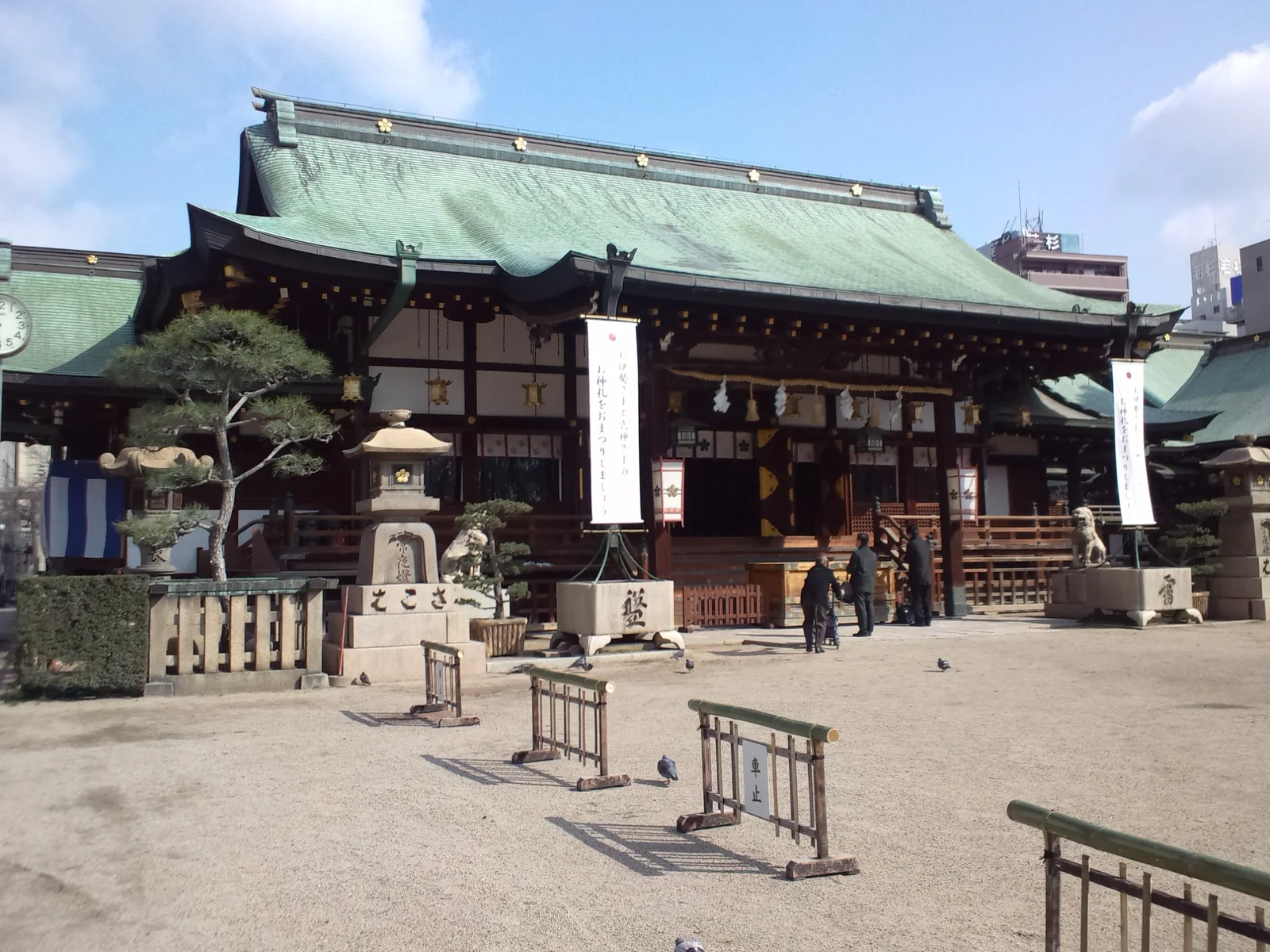
Osaka Tenmangu is one of the city’s best-known neighborhood shrines, but it feels very different from Osaka Castle or the crowded temples of Kyoto. It is closely connected to Sugawara no Michizane, who is worshipped as a deity of learning, and students regularly visit to pray for academic success.
The shrine’s history is also tied to Tenjin Matsuri, one of Osaka’s major annual festivals. If you visit around July 24 or 25, expect a completely different atmosphere: large crowds, festival activity and traffic restrictions replace the quiet morning experience described here.
Enter calmly, avoid walking directly through the center of the torii gate when possible, and use the purification fountain if it is open. At the main hall, a simple visit usually involves placing a small offering, bowing twice, clapping twice, making a quiet prayer and bowing once more.
| Admission | Free for normal worship |
|---|---|
| Typical visiting hours | 9:00–17:00 |
| Nearest stations | Minami-morimachi and JR Osaka Tenmangu |
| Suggested time | 30–45 minutes |
Check current Osaka Tenmangu information
9:40 — Walk North Through Tenjinbashisuji
Stop 2 · 60–75 minutes
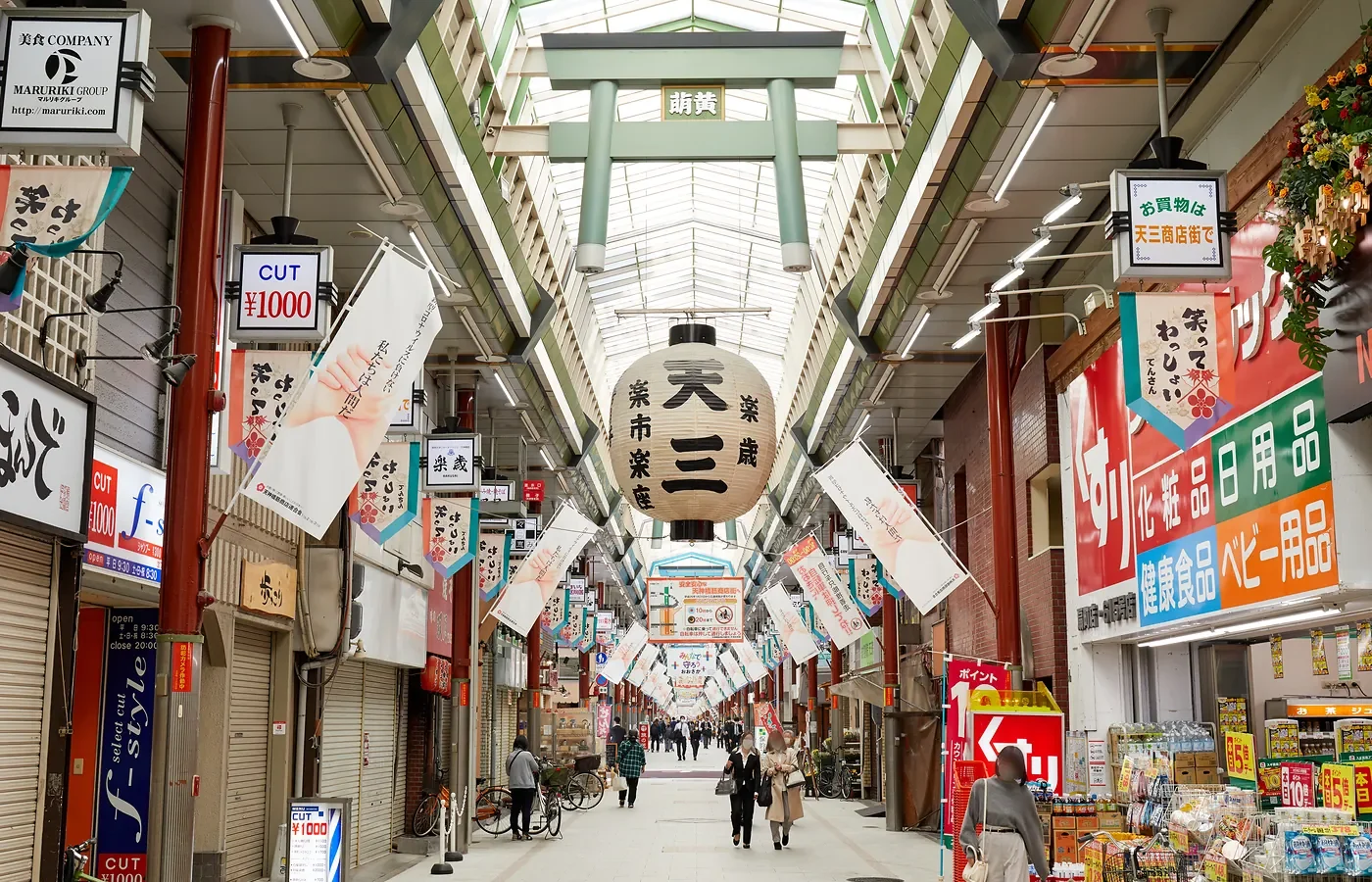
From Osaka Tenmangu, enter Tenjinbashisuji and begin walking north. The shopping street runs for approximately 2.6 kilometers and is often introduced as one of Japan’s longest covered shopping streets. Its value, however, is not the record. It is the ordinary mixture of prepared-food counters, tea shops, pharmacies, clothing stores, cafes, inexpensive restaurants and long-running specialty businesses.
You do not need to inspect every shop or complete the entire arcade. Move slowly from the shrine area toward Tenjinbashisuji 6-chome, choosing one or two small things to try along the way. Croquettes, taiyaki, wagashi, sushi, udon and coffee are all more useful here than a giant lunch at 10:00 in the morning.
Store hours vary. The arcade itself can be walked at any time, but the street feels more alive from late morning onward. Some businesses close on irregular weekdays, and the atmosphere changes from block to block.
Local Steps tip: Buy small portions. Tenjinbashisuji rewards curiosity, but four “tiny snacks” can quietly become a full lunch wearing a fake moustache.
For a broader look at this neighborhood and other non-standard areas, see our hidden gems in Osaka.
10:45 — Experience Old Osaka at the Museum
Stop 3 · 75–90 minutes
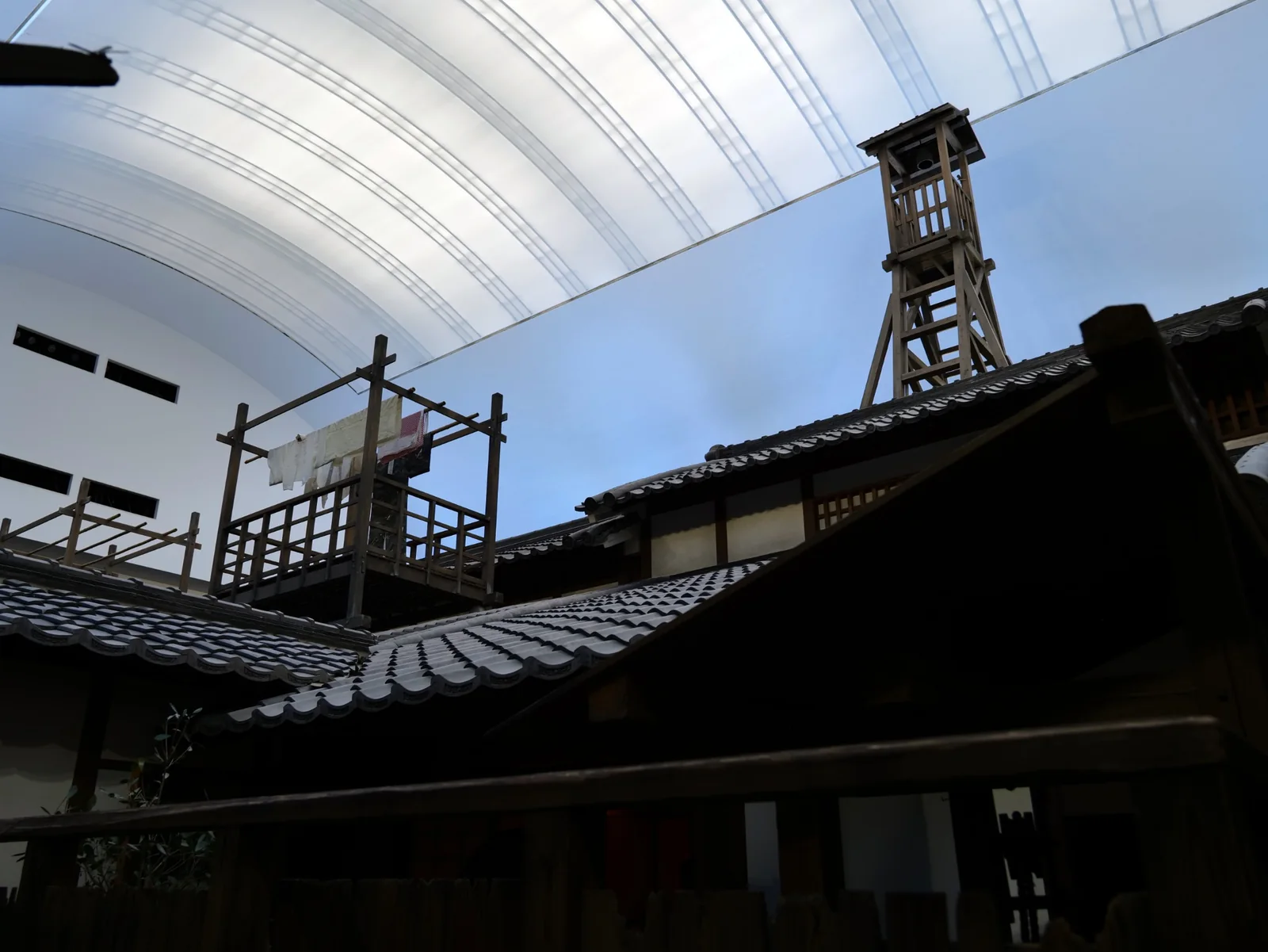
The Osaka Museum of Housing and Living sits at the northern end of this part of the route, directly connected to Tenjinbashisuji 6-chome Station. Its main attraction is a detailed, full-scale recreation of an Osaka town from the late Edo period. Instead of viewing the city only through glass cases, visitors walk between reconstructed houses and shops beneath changing light designed to suggest different times of day.
The museum also covers how housing and everyday life changed through the Meiji, Taisho and Showa periods. This makes it a useful stop before exploring Nakazakicho, where older buildings have been adapted into present-day cafes and shops.
| Hours | 10:00–17:00, with last entry at 16:30 |
|---|---|
| Regular closure | Tuesdays, year-end holidays and occasional temporary closure days |
| Adult admission | ¥600 for the regular exhibition |
| Access | Directly connected to Exit 3 of Tenjinbashisuji 6-chome Station |
The museum is scheduled to close from September 1, 2026 through January 5, 2027. Check the official calendar even outside this period, especially if the museum is the main reason for choosing this route.
Check the museum’s official website
12:15 — Have a Local Lunch Around Tenroku or Tenma
Lunch · 60 minutes
Lunch is deliberately flexible. Tenjinbashisuji is better experienced by choosing a restaurant that fits your appetite and the day’s opening pattern than by crossing the city for a single famous name.
Look for udon, soba, sushi, curry, tonkatsu, okonomiyaki, Chinese-Japanese dishes or a teishoku set meal. A simple lunch usually fits the neighborhood better than an elaborate reservation. Menus displayed outside are helpful, and busy counters with a steady local flow are often a better sign than a long tourist queue.
For a specifically Osaka-style option, kitsune udon introduces the city’s light dashi culture without making the afternoon walk feel like an endurance event. Travelers who want more ideas can use our Osaka local food guide.
Practical lunch budget: Plan roughly ¥900–¥1,800 for a casual meal. Add more for alcohol, specialty meat, several shared dishes or a popular sit-down restaurant.
13:45 — Follow Tengo Nakazaki-dori into Nakazakicho
Stops 4–5 · 2.5–3 hours
After lunch, leave the main Tenjinbashisuji arcade and continue toward Tengo Nakazaki-dori Shopping Street, also known as Oideyasu-dori. This smaller covered street creates a natural transition between the everyday commerce of Tenma and the retro lanes of Nakazakicho.
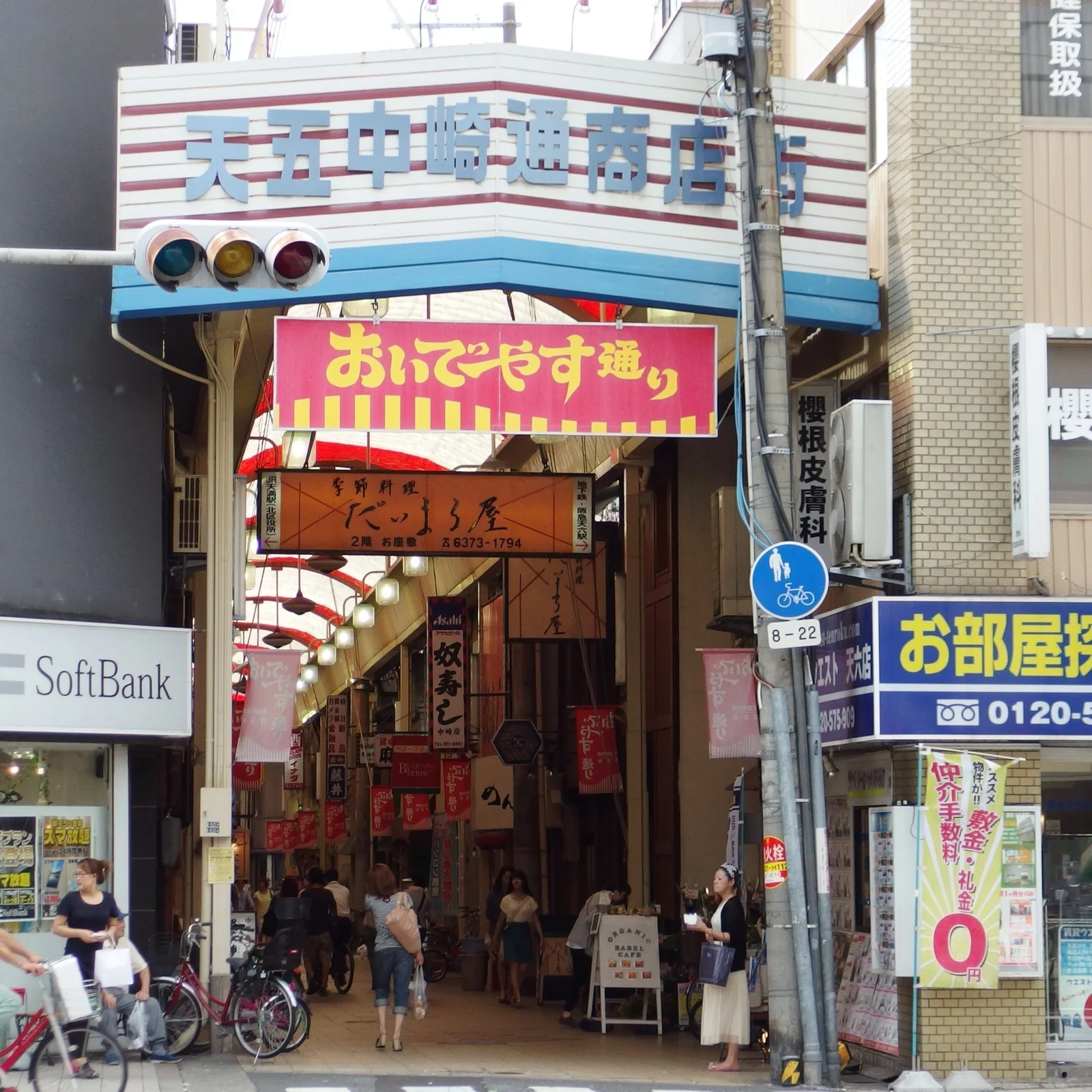
Nakazakicho sits close to the high-rise buildings of Umeda, yet its narrow streets contain older wooden houses, compact cafes, vintage clothing, small galleries and independent shops. The appeal is not one essential attraction. It is the contrast between the human-scale lanes and the towers visible only a short walk away.
Allow yourself to wander, but remember that this is also a residential neighborhood. Do not block doorways, enter private passages or photograph people and shop interiors without permission. Some older homes that look like cafes are still simply homes.
Many independent businesses open late in the morning or around noon, so the afternoon is the most reliable time for this part of the route. Choose one cafe rather than trying to visit every photogenic doorway. The neighborhood works best when you stop long enough to enjoy it.
A simple way to explore Nakazakicho
- Enter from Tengo Nakazaki-dori rather than arriving directly by subway.
- Explore the smaller lanes east and west of Nakazakicho Station.
- Choose one cafe, vintage shop or gallery that genuinely interests you.
- Begin walking back toward Tenma before evening rather than continuing into central Umeda.
Local Steps tip: Nakazakicho is not improved by speed. A strict list of twelve cafes is less useful than one good coffee and enough time to notice the neighborhood around it.
17:30 — Finish with Dinner in Ura-Tenma
Final stop · 90–120 minutes
Return east toward Tenma for the evening. Ura-Tenma is a compact restaurant area around the market streets near JR Temma Station, known for narrow lanes, casual counters, izakaya and a ceiling of colorful lanterns.
This is a neighborhood for choosing what looks good on the day. Instead of building the entire itinerary around one restaurant, walk through once, compare menus and then decide. Small groups and pairs have an easier time than large parties because many counters have limited seating.
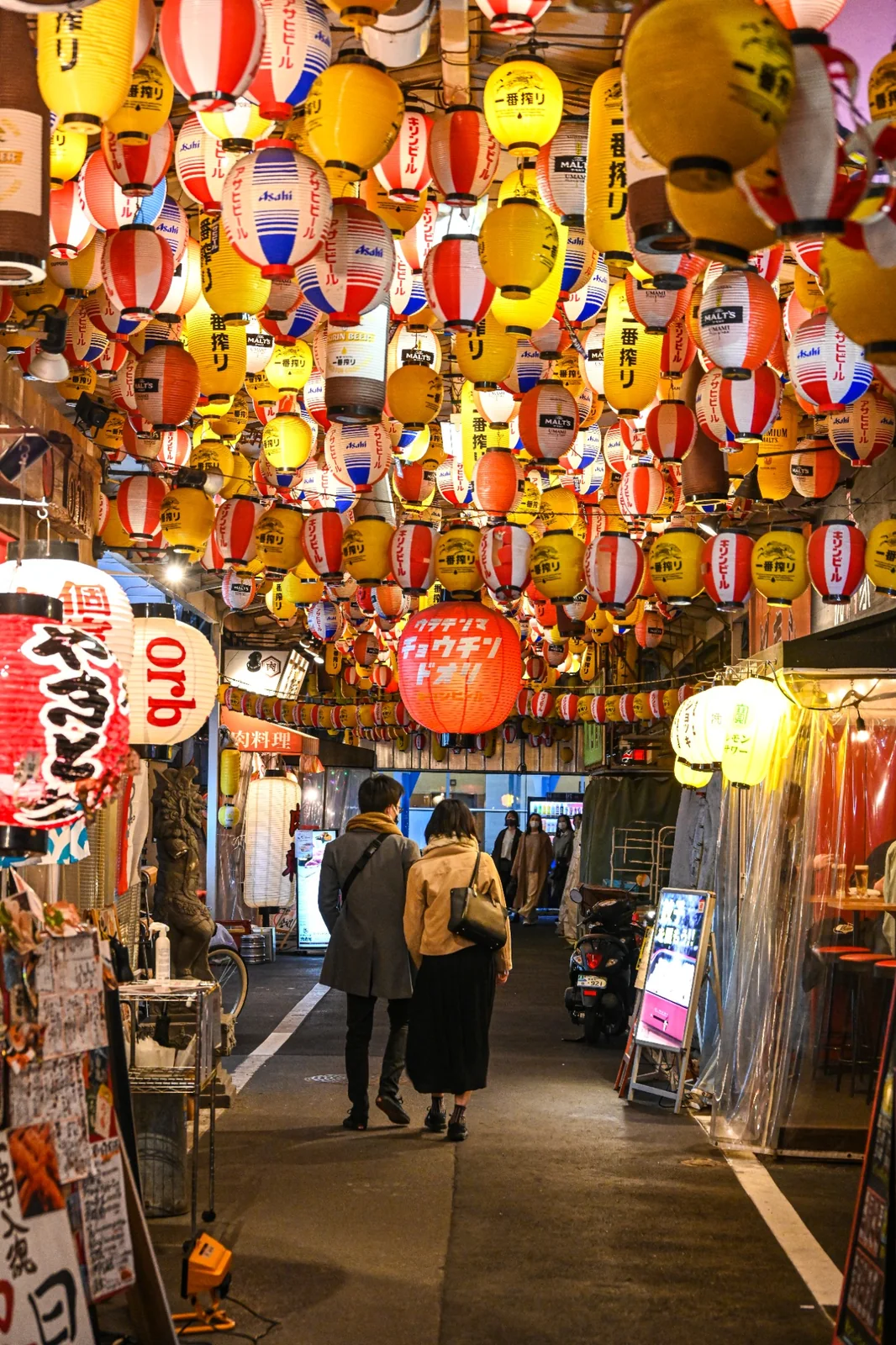
Good options include yakitori, seafood, kushikatsu, grilled meat, small shared dishes and standing bars. Some places have English menus, while others rely on photographs, handwritten signs or simple Japanese. Keep cash available and check whether a cover charge or small compulsory appetizer is included.
A useful basic phrase is osusume wa nan desu ka?—“What do you recommend?” At a busy counter, decide quickly and avoid occupying extra seats with shopping bags.
Dinner budget: Plan roughly ¥2,500–¥4,500 per person for a casual dinner with one or two drinks. Multiple bars, premium seafood or yakiniku can push the total much higher.
Estimated Budget, Transport and Walking Distance
| Item | Planning estimate |
|---|---|
| Osaka Tenmangu | Free |
| Museum admission | ¥600 |
| Shopping-street snacks | ¥300–¥1,000 |
| Lunch | ¥900–¥1,800 |
| Nakazakicho cafe | ¥600–¥1,200 |
| Ura-Tenma dinner | ¥2,500–¥4,500+ |
| Estimated total | Approximately ¥4,900–¥9,100 per person |
This route needs little local transport after arrival. Use an ICOCA, Suica or PASMO to reach Minami-morimachi or Osaka Tenmangu, then walk for most of the day. At the end, JR Temma Station and Osaka Metro Ogimachi Station provide easy connections.
The exact walking distance depends on detours, but 5–7 kilometers is a sensible estimate. Comfortable shoes matter more than a transport pass. For a full explanation of Osaka Metro, JR and IC cards, read our getting around Osaka guide.
Travelers planning a longer stay can compare accommodation, food and transport costs in our Osaka travel budget guide.
Tuesday, Museum-Closure and Rainy-Day Alternatives
When the museum is closed
Keep the same morning at Osaka Tenmangu and Tenjinbashisuji, but slow the route down. Spend longer browsing the arcade, take an earlier lunch around Tenroku, and enter Tengo Nakazaki-dori before 13:00. This gives you additional time for Nakazakicho without turning the day into a rushed replacement-attraction hunt.
A simple closure-day schedule is:
| 9:00 | Osaka Tenmangu Shrine |
|---|---|
| 9:45 | Longer Tenjinbashisuji walk and snack stops |
| 11:45 | Lunch around Tenroku |
| 13:00 | Tengo Nakazaki-dori |
| 13:30 | Nakazakicho cafes, lanes and shops |
| 17:00 | Walk toward Ura-Tenma for an early dinner |
On a rainy day
Tenjinbashisuji and Tengo Nakazaki-dori are partly protected by arcade roofs, and the museum is indoors, so much of the route still works. Nakazakicho requires more outdoor walking, however. During heavy rain, shorten that section and add more time inside the shopping streets or around Umeda’s underground passages.
Ura-Tenma has covered sections, but not every approach is protected. Carry a compact umbrella and shoes that can handle wet pavement.
During Tenjin Matsuri
The festival is a reason to visit in its own right, but it is not the day to follow this relaxed itinerary exactly. Around July 24 and 25, expect crowds and altered movement around Osaka Tenmangu and Tenma. Either embrace the festival and plan around it, or choose another date for the quieter version of the walk.
Who This Route Is For
Repeat visitors: A practical alternative to another day around Dotonbori and Osaka Castle.
Food-focused travelers: Several flexible snack, lunch, cafe and dinner opportunities without a reservation-heavy schedule.
Rainy-season travel: Long covered shopping streets and an indoor museum provide useful shelter.
Slow travelers: The route rewards wandering and observation more than attraction counting.
This route is less suitable for travelers whose priority is Universal Studios Japan, Osaka Castle, major observation decks or a rapid first-time checklist. Those goals are perfectly valid; they simply need a different day.
Frequently Asked Questions
Can I complete this Osaka itinerary entirely on foot?
Yes, after reaching Osaka Tenmangu or Minami-morimachi. The main route is designed as a continuous walk ending near JR Temma Station. Expect roughly 5–7 kilometers with neighborhood detours.
Is Tenjinbashisuji worth visiting if I do not like shopping?
Yes. The street is as much about food, local routines and urban atmosphere as retail. You can walk a selected section, have lunch and continue without buying souvenirs.
How long should I spend at the Osaka Museum of Housing and Living?
Allow around 75–90 minutes for the reconstructed town and the historical displays. Travelers who read every panel or join an activity may need longer.
Is Nakazakicho crowded?
Popular cafes and photogenic lanes can become busy on weekends, but the area is spread across many small streets. Weekday afternoons are generally easier for wandering without queues.
Can children follow this route?
Yes, although the full walking distance may be tiring for younger children. Families can shorten Nakazakicho, spend more time at the museum and finish before the Ura-Tenma dinner period becomes busy.
Where should I stay for this itinerary?
Umeda is the most convenient nearby base, while Namba and Tennoji are still easy by subway or JR. Compare the trade-offs in our where to stay in Osaka guide.
Continue Planning Osaka
For a broader city plan, continue with our 3-day Osaka itinerary.
Final Thoughts
Osaka’s local character is often easiest to understand in the space between major attractions: the shrine visited before work, the shopping street used for daily errands, the old house converted into a cafe, and the tiny dinner counter that becomes lively after sunset.
This one-day Osaka itinerary connects those pieces without sending you back and forth across the city.
Image credits
- Osaka Tenmangu Shrine: Yanajin33 / Wikimedia Commons / CC BY-SA 3.0. Resized and converted to WebP.
- Osaka Museum of Housing and Living: Hyppolyte de Saint-Rambert / Wikimedia Commons / CC BY 4.0. Resized and converted to WebP.
- Tengo Nakazaki-dori: Mc681 / Wikimedia Commons / CC BY-SA 4.0. Resized and converted to WebP.
- Ura-Tenma: m-louis .® / Flickr via Wikimedia Commons / CC BY-SA 2.0. Resized and converted to WebP.
One-Day Osaka Route Map
Use this interactive map to check every stop on the route, from Osaka Tenmangu and Tenjinbashisuji to Nakazakicho and Ura-Tenma.