A Kobe day trip from Osaka is one of the easiest ways to experience a completely different side of the Kansai region. Mountains rise directly behind the city center, narrow streets slope toward the sea, and Western-style houses, an old Chinatown and a working harbor all fit into a surprisingly compact area.
I grew up in Kobe, and this is the route I would recommend to a friend visiting the city for the first time. It does not try to include every famous attraction. Instead, it follows Kobe’s geography: start in the hills of Kitano, walk gradually downhill through Sannomiya and Motomachi, and finish beside the harbor after sunset or when the evening lights come on.
This order avoids unnecessary backtracking and lets you experience the city’s three defining sides in one day: its international history, local food culture and waterfront.
Best for: First-time visitors to Kobe, repeat visitors to Osaka and travelers who enjoy exploring mostly on foot.
See our guide to the best day trips from Osaka before deciding which destination suits your trip.
Is Kobe Worth a Day Trip from Osaka?
Yes. Central Kobe is close enough to Osaka for a relaxed day trip, yet the atmosphere changes almost as soon as you arrive. The city center is smaller and calmer than Osaka, and most places in this itinerary are connected by walkable streets.
One day is enough for Kitano, Ikuta Shrine, Nankinmachi, the Former Foreign Settlement, Meriken Park and Harborland. It is not enough to comfortably add Arima Onsen, Mt. Rokko or the western side of Kobe, so save those for a separate trip.
The key is to start in the north and work downhill toward the sea. Kobe is built on a slope, and doing the route in the opposite direction makes the day more tiring than it needs to be.
Kobe Day Trip at a Glance
Start
JR Sannomiya Station
Finish
Harborland or Sannomiya
Time needed
One full day
Walking level
Moderate, with hills in the morning
Quick Schedule
Do not worry if you prefer a slower day. Kobe Port Tower, the Kitano house interiors and the late-night dessert stop are optional. Removing one or two of them leaves more time for cafés, shopping and the waterfront.
How to Get from Osaka to Kobe
The best train depends on where you are staying in Osaka. You do not need to use the shinkansen for this trip. Regular JR, Hanshin and Hankyu trains connect the two city centers and are much more practical.
From Osaka or Umeda: Take JR to Sannomiya
From JR Osaka Station, take a Special Rapid Service toward Kobe and Himeji and get off at JR Sannomiya Station. The journey normally takes around 20 to 25 minutes, and no limited-express supplement or seat reservation is required for an ordinary non-reserved seat.
This is the simplest option for most travelers staying around Umeda, Osaka Station, Shin-Osaka or Tenma.
Local tip: JR Sannomiya is a busy station. Follow signs for the north side when beginning the walk toward Kitano.
From Namba: Take the Hanshin Line
From Osaka-Namba Station, use the Hanshin line toward Kobe-Sannomiya. Depending on the service, the train may continue directly or require an easy transfer along the way. Check the platform display before boarding.
This route is usually more convenient than traveling north to Osaka Station first, especially if your hotel is in Namba, Dotonbori or Shinsaibashi.
Which Kobe Station Should You Use?
Start at Sannomiya, not Kobe Station.
Despite its name, Kobe Station is west of the main downtown area and close to Harborland, which is where this itinerary finishes. Sannomiya is the central transport hub and the best starting point for Kitano.
- JR: Sannomiya Station
- Hanshin and Hankyu: Kobe-Sannomiya Station
- Subway and Port Liner: Sannomiya Station
They are all in the same general downtown area. An ICOCA, Suica or another compatible IC card can be used for these trains and for most local transportation. For more details, see our guide to trains, IC cards and transportation in Osaka.
If Kobe is one of several day trips from Osaka, your hotel base matters. Umeda and Osaka Station are convenient for JR trips toward Kobe, Himeji and Kyoto, while Namba can still work well for Hanshin access to Kobe. Compare the best areas to stay in Osaka before choosing a hotel.
9:45 – Start in the Kitano Ijinkan District
From Sannomiya, head north toward Kitano. This is the steepest part of the day, which is exactly why it makes sense to visit first. Once you reach the top of the district, most of the remaining route gradually descends toward the harbor.
The walk from Sannomiya takes roughly 15 to 20 minutes. To save your legs, take the City Loop sightseeing bus from Sannomiya toward the Kitano Ijinkan stop. A single ride is usually more sensible for this itinerary than buying a day pass because the rest of the route can be covered mainly on foot.
Kitano developed after Kobe opened to international trade, and foreign merchants and diplomats built Western-style homes on the hillside overlooking the port. Several of these residences, known as ijinkan, are preserved as museums.
What to See in Kitano
You do not need to enter every historic house. Doing so can take most of the morning and make the rest of the itinerary feel rushed. For a balanced day, walk through the district and choose no more than one or two paid interiors.
- Walk up Kitano-zaka, the main street connecting Sannomiya with the historic district.
- See Weathercock House, recognizable by its red-brick exterior and rooster-shaped weather vane.
- Pass Moegi House, a pale green former residence with a view over central Kobe.
- Climb to Kobe Kitano Tenman Shrine for a free view across the rooftops toward the city.
Recommended time: 60–90 minutes
Cost: Walking around the neighborhood is free; museum interiors charge admission.
Good to know: Comfortable shoes matter here more than anywhere else on this route.
Optional Stop: Starbucks Kobe Kitano Ijinkan
This is one of the few chain cafés that genuinely works as part of the sightseeing route. The café occupies a restored two-story Western-style residence, with different rooms retaining the feeling of a private historic home.
Stop here if you need a short break after climbing the hill, but do not feel that you must queue just because it is a famous Starbucks. The surrounding streets and historic buildings are the main reason to visit Kitano.
Recommended stop: 20–30 minutes
11:30 – Visit Ikuta Shrine
Walk back downhill from Kitano toward Ikuta Shrine. The change in atmosphere is immediate: after a morning surrounded by Western-style houses, you arrive at one of Kobe’s oldest and most important Shinto shrines in the middle of the modern downtown area.
Ikuta Shrine has a history of more than 1,800 years. Even the name Kobe is connected to the families who once served and protected the shrine’s deity.
Walk through the red entrance gate, visit the main worship hall and spend a few minutes in Ikuta no Mori, the small wooded area behind it. The shrine does not require a long visit, but it adds an important layer to the day.
Recommended time: 20–30 minutes
Admission: Free
12:15 – Eat Your Way Through Nankinmachi
Personally tested: Every restaurant and café recommended in this guide has been visited by Local Steps Japan.
Nankinmachi, Kobe’s Chinatown, is the main lunch stop on this itinerary. Rather than choosing one restaurant and ordering a large meal, the most enjoyable approach is to try several small items from different shops.
The streets are compact, colorful and often busy around lunchtime. Enter through one of the decorated gates, walk toward the central square and look at what is being prepared in front of you before deciding where to order.
How to Plan a Nankinmachi Street-Food Lunch
Choose two or three savory items and finish with something sweet. Possible choices include:
- Steamed pork buns
- Pan-fried or steamed dumplings
- Roast pork or Peking-duck wraps
- Sesame balls
- Almond tofu or another light Chinese dessert
Do not buy everything from the first stall you see. Walk through the main street once, compare the queues and portions, and then choose the places that look best to you.
Local tip: Keep some cash available, even if you normally use an IC card or credit card in Japan.
Recommended time: 60–75 minutes, including time to walk around.
Not in the Mood for Chinese Food?
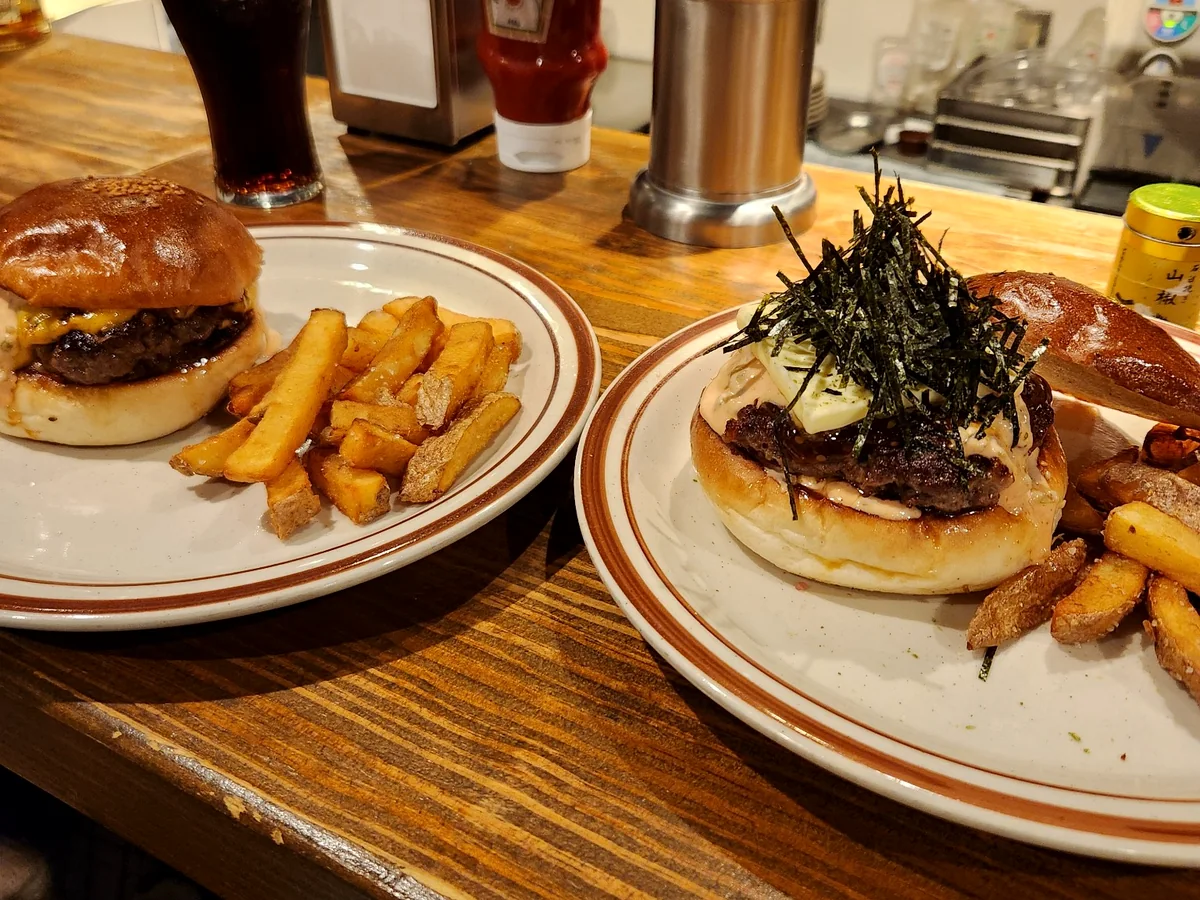
Choose HYOE’S BURGERS + FRIES instead. This is our top burger recommendation in Kobe and the best non-Chinese lunch alternative for this route.
HYOE’S serves substantial burgers built around coarse-ground beef patties and freshly prepared fries. The burgers are rich and filling, so this is a proper lunch rather than a quick snack.
The restaurant is closer to Sannomiya and Ikuta Shrine than to Nankinmachi. If you choose the burger option, visit HYOE’S directly after Ikuta Shrine, then walk through Nankinmachi afterward without planning a second full meal.
Important: The restaurant may finish service when burgers sell out.
Payment: Cashless payment only.
Reservations: Seats are generally not reserved, so arriving near opening time is safest.
13:45 – Walk Through Kobe’s Former Foreign Settlement
After lunch, leave Nankinmachi and walk toward Kobe’s Former Foreign Settlement. The area once served as the base for foreign merchants after the Port of Kobe opened to international trade.
Kitano and the Former Foreign Settlement are both associated with Kobe’s international history, but they feel very different. Kitano is a hillside residential neighborhood filled with former homes, while the settlement was a commercial district of banks, offices and trading companies.
Today, the wide streets are lined with stone buildings, luxury shops, cafés and offices. It is one of the easiest parts of Kobe to explore without a strict checklist.
A Simple Walking Route
- Start around Daimaru Kobe, where the department store and surrounding streets immediately create the district’s European-style atmosphere.
- Walk along Akashimachi-suji and look for old stone façades, arches and street lamps.
- Pass the Former Foreign Settlement No. 38 building, one of the area’s most recognizable architectural landmarks.
- Continue toward Kobe City Museum before heading south toward the harbor.
Recommended time: 30–45 minutes
Cost: Free to explore on foot
Best for: Architecture, street photography and a quieter break between Nankinmachi and the waterfront
Optional Afternoon Sweets Near Motomachi
If you still have room after Nankinmachi, this is the best point in the route for a café stop. Do not try to visit every café in this guide. Choose one based on what you want to eat and how much time you have.
LES HIRONDELLES KOBE
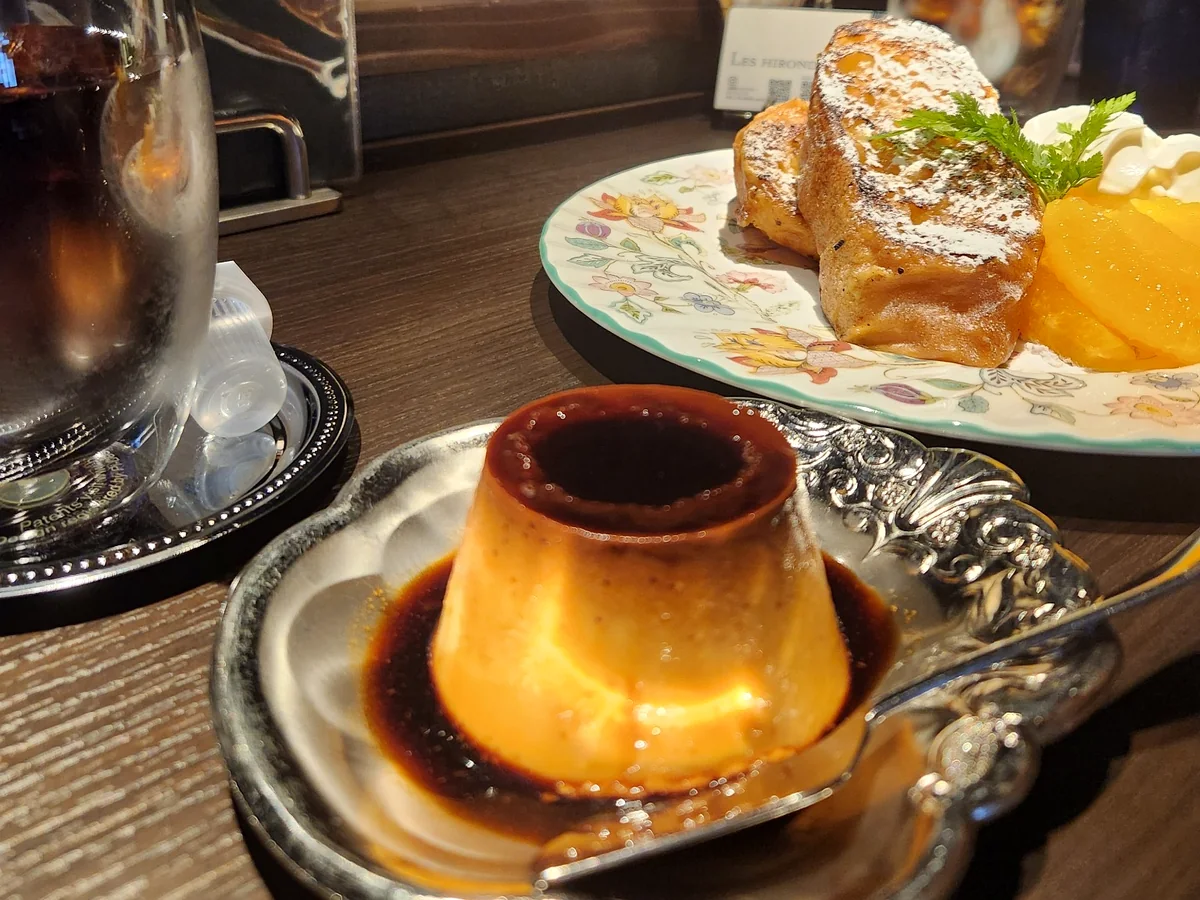
LES HIRONDELLES KOBE is our preferred café option around Motomachi. Its location works well between Nankinmachi and the Former Foreign Settlement, so it can be added without creating a major detour.
We visited for classic pudding and French toast. It is a good choice when you want a proper seated dessert rather than another quick item from a street-food stall.
Open LES HIRONDELLES KOBE in Google Maps
Alternative: Hyde & Away Kobe Sannomiya
Choose Hyde & Away if you are more interested in fruit tarts. Its location near the Kitano and Sannomiya side of the route means it works better as a replacement for the Starbucks stop in the morning—not as an extra stop after reaching Motomachi.
Open Hyde & Away in Google Maps
Our recommendation: Choose LES HIRONDELLES after Nankinmachi, or choose Hyde & Away during the Kitano section. Do not add both unless cafés are the main focus of your day.
15:00 – Explore Meriken Park
Continue south from the Former Foreign Settlement until the streets open onto Kobe’s waterfront. Meriken Park is where the city’s history, modern skyline and identity as a port city come together.
The park itself is free and easy to explore. You can see most of its main features in around an hour, although photographers may want to stay longer as the light begins to change.
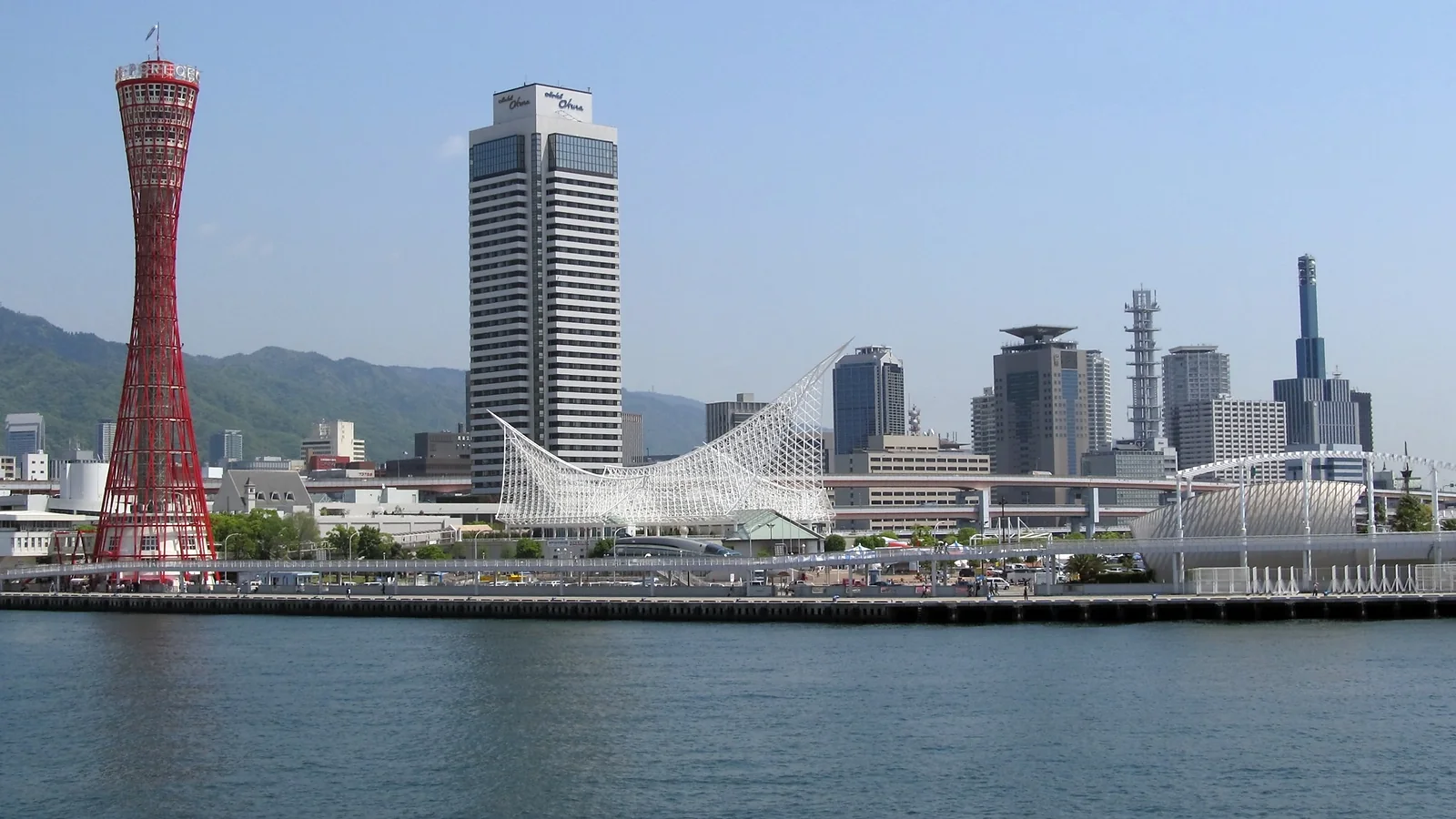
Photo:
Pastern
/ Wikimedia Commons /
CC BY-SA 3.0
.
Cropped and converted to WebP.
What to See in Meriken Park
- BE KOBE monument: One of the city’s best-known photo spots. A queue sometimes forms at busy times.
- Kobe Maritime Museum: Its white roof was designed to resemble sails and has become part of Kobe’s waterfront skyline.
- Port of Kobe Earthquake Memorial Park: A preserved section of the waterfront damaged during the 1995 Great Hanshin-Awaji Earthquake.
- Kobe Port Tower: The red tower beside the park is Kobe’s most recognizable landmark.
The earthquake memorial is small and easy to miss, but it is worth a few minutes. Seeing part of the damaged quay helps explain how deeply the 1995 earthquake affected the city and its port.
Recommended time: 45–60 minutes without entering a museum
Admission: The park and outdoor monuments are free
Should You Go Up Kobe Port Tower?
Kobe Port Tower is optional rather than essential. The observation floors offer views across the harbor, central Kobe and the Rokko Mountains, but visiting takes time and adds an admission fee to an otherwise inexpensive waterfront walk.
As of August 2026, the observation area is open from 9:00 to 23:00, with final admission at 22:30. Adult admission is ¥1,000 for the observation area or ¥1,200 including the rooftop deck.
A date-and-time ticket is required for the observation area and rooftop. Same-day tickets may be available when a time slot has not sold out. The lower floors, shops and selected dining spaces can be entered without an observation ticket.
Go up if: The weather is clear and you enjoy observation decks.
Skip it if: You prefer to save time for sunset, dinner or a slower waterfront walk.
Weather note: The rooftop deck may close during rain or strong winds.
17:15 – Explore Kobe Harborland and Stay for Sunset
From Kobe Port Tower, walk around the water toward Harborland and umie MOSAIC. This is the section of the itinerary where it pays to slow down.
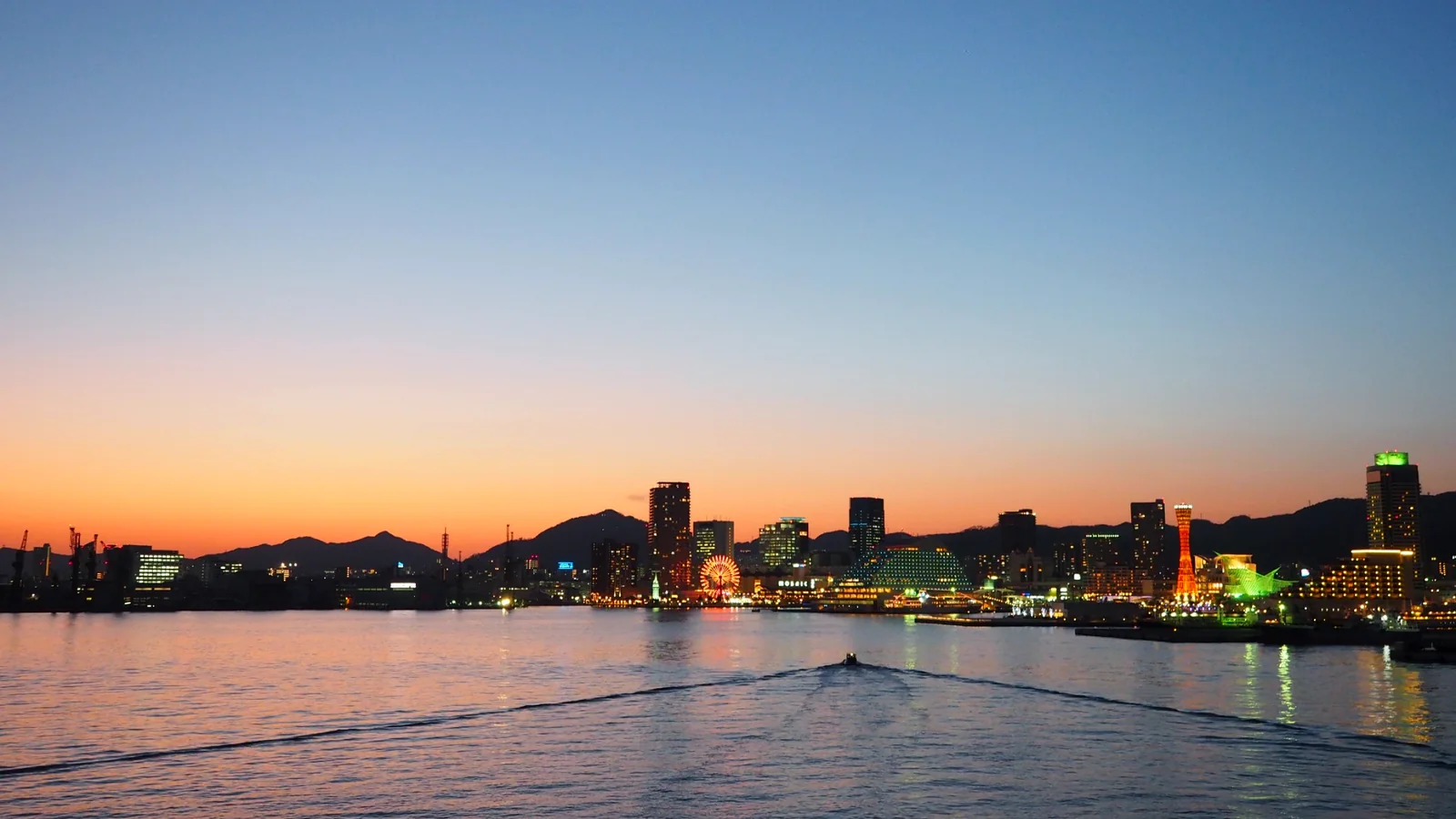
The most familiar view of Kobe’s waterfront is not from directly beneath the tower. It is from the Harborland side, where Kobe Port Tower, the Maritime Museum and the hotel skyline appear together across the water.
Try to arrive before sunset and stay through blue hour, when the sky darkens and the waterfront lights begin to reflect on the harbor. The atmosphere changes quickly, so allow at least 45 minutes rather than taking one photo and immediately leaving.
Seasonal timing: Sunset in Kobe varies significantly throughout the year. In summer, 17:15 is still well before sunset, while in winter the sun may set before 17:00. Check the sunset time for your travel date and adjust the afternoon schedule accordingly.
What to Do Around Harborland
- Walk along the waterfront promenade.
- Photograph Kobe Port Tower from across the water.
- Browse the shops inside umie and MOSAIC.
- Stop for a drink if you want to stay until the illuminations become fully visible.
Harborland has plenty of restaurants, so eating here is the easiest option. However, our personally visited dinner recommendations are in Sannomiya. To follow the full route, walk to JR Kobe Station and take a local train back to Sannomiya.
Keep the day realistic: If you entered several Kitano houses, stopped at a café and visited Port Tower, consider eating at Harborland or returning to Osaka after the evening views. The dinner and dessert stops below are optional extensions.
18:30 – Return to Sannomiya for Dinner
For dinner, choose between a special Kobe beef experience and a more casual local izakaya. Both restaurants are places we have personally visited, but they serve very different purposes.
For Kobe Beef: Bifteck Kawamura Sannomiya Flagship
Choose Bifteck Kawamura if eating Kobe beef is one of the main reasons for your visit. The restaurant serves teppanyaki-style beef cooked in front of guests and works best as a planned, special-occasion dinner rather than a spontaneous budget meal.
The Sannomiya flagship is close to the north side of the station. Reservations are strongly recommended, especially for dinner and weekends.
Choose it for: A full Kobe beef dinner and a more formal experience
Budget: Premium
Planning: Reserve before your travel date rather than waiting until the evening
Open Bifteck Kawamura in Google Maps
For a Casual Local Dinner: Izakaya Chaki
Choose Izakaya Chaki when you want a more relaxed local evening. It is a better fit for travelers who would rather share several Japanese dishes and drinks than commit to a formal steak course.
This option also leaves more flexibility for a late-night dessert afterward. Check the latest opening day before building your entire evening around a small independent restaurant.
Choose it for: A local izakaya atmosphere
Budget: Moderate to upper-moderate
Good pairing: Dinner here followed by SWEETS BAR ASHIOTO
Open Izakaya Chaki in Google Maps
20:30 – Optional Late-Night Parfait at SWEETS BAR ASHIOTO
If you are not ready to return to Osaka, finish at SWEETS BAR ASHIOTO on Kitano-zaka. This is not a normal daytime café. It combines elaborate desserts with the atmosphere and drink menu of a late-night bar.
ASHIOTO is especially useful for travelers who want to experience Kobe after dark without moving to a nightclub or loud entertainment district. You can order a parfait, pair sweets with alcohol or simply enjoy the long bar counter and subdued evening atmosphere.
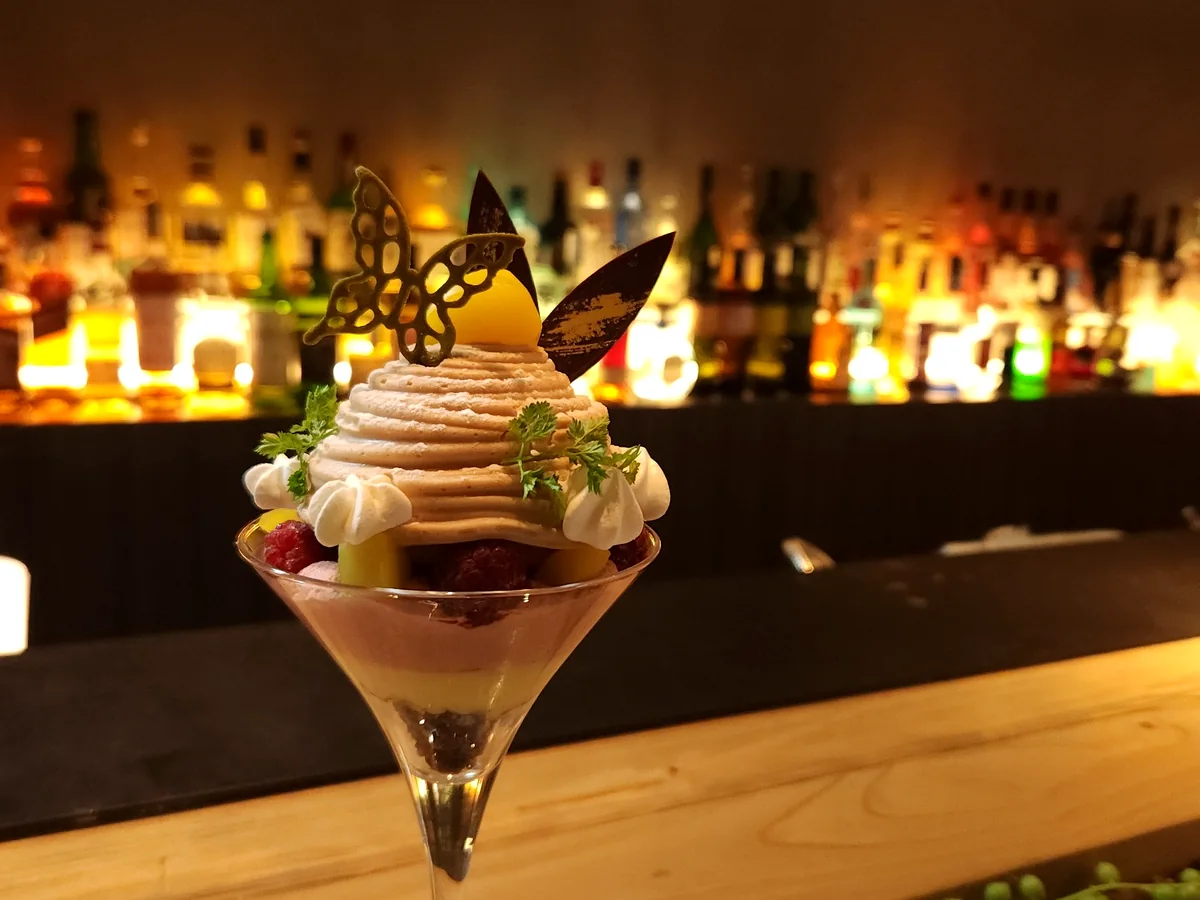
ASHIOTO currently opens from 18:00, closing at 1:00 from Sunday through Thursday and at 3:00 on Friday and Saturday. Opening days can change, so confirm the latest information before visiting.
Recommended for: Couples, dessert lovers and travelers staying overnight in Kobe
Skip it if: You have an early morning planned or want to return to Osaka immediately after dinner
Before ordering: Ask about the current seasonal parfait, as the available desserts may change.
Kobe Day Trip Map
This map includes the main sightseeing route, lunch and café alternatives, and our personally visited dinner and late-night recommendations.
Map layers:
• Main Sightseeing Route
• Lunch & Café Alternatives
• Dinner & Night Stops
Important: The restaurant markers are alternatives, not a checklist. Choose one lunch option, no more than one afternoon café and one dinner plan.
Should You Walk or Use the City Loop Bus?
Most of this Kobe itinerary is best completed on foot. Central Kobe is compact, and walking makes it easier to notice how the city changes between the hillside, shopping streets, historic business district and harbor.
The only demanding section is the uphill walk from Sannomiya to Kitano. If you are comfortable with slopes, walk from the station and then continue downhill for the rest of the day.
Use the City Loop bus to reach Kitano when:
- You are traveling with children or older family members.
- The weather is particularly hot or humid.
- You have luggage or mobility concerns.
- You want to save your energy for the waterfront and evening stops.
As of August 2026, a single City Loop ride costs ¥300 for an adult. A full-day loop-bus ticket is usually unnecessary for this route because one bus ride to Kitano followed by walking is often the simplest plan.
Footwear matters: Kitano has slopes and uneven sections, while Meriken Park and Harborland involve more walking than they appear to on a map. Wear comfortable shoes rather than planning this as a short city-center stroll.
How to Adjust This Kobe Route on a Rainy Day
Kobe can still work as a day trip in the rain, but the original route is designed around walking, street food and waterfront views. On a wet day, reduce the outdoor sections rather than trying to follow every stop exactly.
Morning: Spend More Time Inside Kitano
Choose one or two historic houses with indoor exhibitions. You can also spend longer at Starbucks Kobe Kitano Ijinkan or replace it with Hyde & Away. If the rain is heavy, use the City Loop bus between Sannomiya and Kitano.
Afternoon: Add an Indoor Museum
Kobe City Museum fits naturally into the Former Foreign Settlement section, while Kobe Maritime Museum is beside Meriken Park. Check the latest exhibition schedule and opening information before visiting.
Evening: Use Harborland’s Indoor Areas
Harborland umie and MOSAIC provide shops, cafés and restaurants close to the waterfront. You can wait indoors and step outside briefly if the weather clears.
Estimated Kobe Day Trip Budget
Kobe can be an inexpensive day trip if you focus on free neighborhoods, street food and waterfront walks. The largest variable is dinner, especially if you choose a premium Kobe beef course.
The estimates below are per adult and should be treated as planning ranges rather than fixed prices.
A budget-focused traveler can stay near the lower end by walking, choosing free sights and skipping the café or observation deck. A café stop, Port Tower, drinks and a full dinner will move the day toward the upper end.
A premium Kobe beef dinner is not included in the typical total because course prices vary widely. Check the restaurant’s current menu before reserving.
Should You Stay Overnight in Kobe?
You do not need to stay overnight to complete this itinerary. Trains make it easy to return to Osaka after dinner, and most first-time visitors can see central Kobe comfortably in one full day.
An overnight stay becomes worthwhile when you want to:
- Enjoy Harborland after dark without watching the clock.
- Book a relaxed Kobe beef dinner.
- Visit SWEETS BAR ASHIOTO late in the evening.
- Continue to Arima Onsen, Mt. Rokko or Himeji the next morning.
- Experience Kobe at a slower pace rather than treating it as a checklist.
Best Area to Stay: Sannomiya
Sannomiya is the most practical base for a short stay. It has the largest concentration of restaurants and nightlife in central Kobe and provides easy railway connections to Osaka, Himeji and other parts of the Kansai region.
Planning to stay after sunset?
Compare hotels near Sannomiya Station for convenient access to restaurants, railway lines and the evening stops in this guide.
Find hotels near Sannomiya Station on Agoda

This section contains an affiliate link. If you make a booking through it, Local Steps Japan may receive a small commission at no additional cost to you.
Kobe Day Trip FAQ
Is one day enough for Kobe?
One day is enough to explore central Kobe, including Kitano, Ikuta Shrine, Nankinmachi, the Former Foreign Settlement, Meriken Park and Harborland. Arima Onsen, Mt. Rokko and attractions farther west should be saved for another day.
Is Kobe better as a day trip or an overnight stay?
A day trip is enough for the main central route. Stay overnight if you want a relaxed dinner, late-night desserts, more time around the harbor or an early start toward Arima Onsen or Himeji.
Should I arrive at Kobe Station or Sannomiya Station?
Start at Sannomiya Station. It is the main downtown transport hub and the most convenient station for reaching Kitano. Kobe Station is closer to Harborland and works better near the end of the route.
Is central Kobe walkable?
Yes. Most attractions in this guide are within walking distance of one another. The main challenge is the uphill section between Sannomiya and Kitano, which can be replaced with a City Loop bus ride.
Do I need a Kobe transport pass?
Usually not for this itinerary. One optional bus ride followed by a mostly walking-based route is often cheaper and simpler than buying a full-day transport pass.
Do I need to eat Kobe beef in Kobe?
No. Kobe beef can be a memorable experience, but it is not required to enjoy the city. Nankinmachi street food, local burgers, cafés, izakaya food and late-night desserts all provide different sides of Kobe’s food culture.
Can I visit Kobe and Himeji on the same day?
It is technically possible, but it makes both places feel rushed. Kobe deserves a full day if you want to include Kitano, Nankinmachi and the harbor after sunset. See our guide to the best day trips from Osaka before deciding which destination suits your trip.
What should I skip if I have less time?
Skip the paid Kitano interiors, afternoon café and Port Tower. Keep the walk through Kitano, Nankinmachi, Meriken Park and Harborland. Those four areas provide the clearest overview of Kobe in a shorter visit.
Final Thoughts: The Best Way to See Kobe in One Day
Kobe works so well as a day trip because its character changes within a relatively small area. In one day, you can walk from historic hillside homes to a shrine, eat through Chinatown, explore a former international business district and watch the city lights appear across the harbor.
The route is most enjoyable when you resist the urge to visit everything. Choose one café, decide whether Port Tower matters to you and treat dinner and ASHIOTO as optional extensions rather than obligations.
Start at the top of Kitano, follow the city downhill and give yourself enough time to reach Harborland before sunset or the evening lights. That simple order is what turns a collection of Kobe attractions into a realistic and memorable day from Osaka.