Osaka is known for neon-lit streets, crowded food districts and nonstop urban energy. But less than an hour from the city center, you can step off a train and follow a quiet river into a forest.
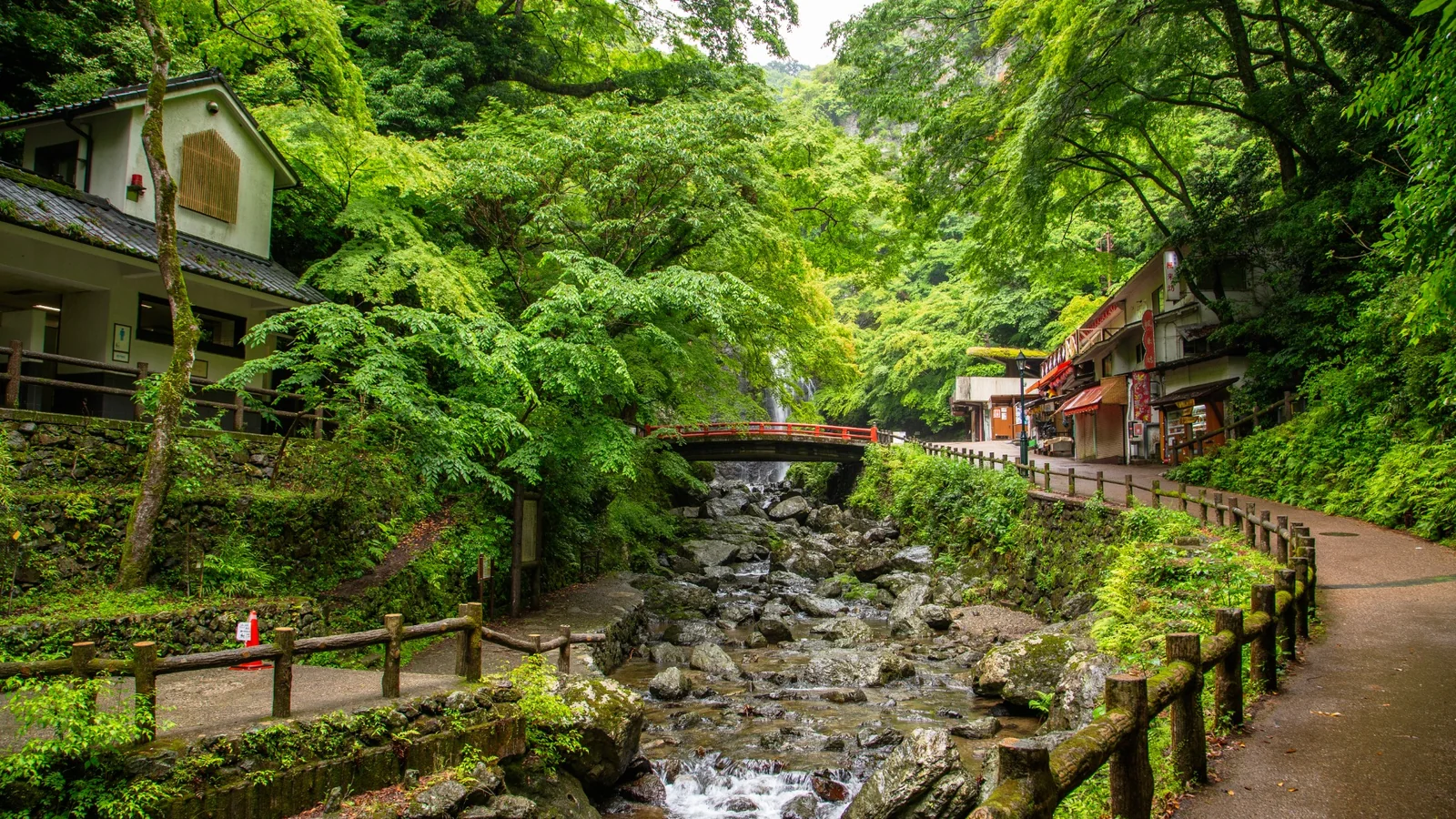
Minoh Falls is one of the easiest places to experience Osaka’s natural side without planning a serious hike. From Hankyu Minoh Station, a mostly paved path follows the Minoh River through the forest for about 2.7 kilometers before reaching the waterfall.
Along the way, you can make a short stop at Ryuanji Temple, visit a small insect museum, rest at a riverside coffee house and try Minoh’s unusual maple-leaf snack. The route works especially well as a relaxed half-day trip when you want a break from central Osaka.
Information checked on August 1, 2026. Trail conditions and business hours may change.
Temporary Trail Notice — August 2026
Until August 7, the paved trail is closed around 200 meters before Minoh Falls. The waterfall can still be reached using a narrow, unpaved detour with uneven sections. This temporary route is not suitable for wheelchairs or strollers.
The main trail is scheduled to reopen on August 8. Check the
latest official Minoh Park update
before your visit.
Why Visit Minoh Falls?
Minoh is not a remote mountain destination. That is exactly what makes it useful. You do not need to rent a car, reserve a tour or bring specialist hiking equipment under normal trail conditions.
The route begins only a few minutes from the station and gradually leaves the town behind. Most of the main trail is paved, with the river, small bridges and forested slopes beside you for much of the journey. The 33-meter waterfall is the headline attraction, but the riverside walk, temple and local stops are what make this feel like a complete outing rather than a quick photo stop.
Minoh Falls Quick Facts
Minoh Falls Half-Day Itinerary at a Glance
This schedule begins at Osaka-Umeda Station and includes the waterfall, a few short stops and time for a coffee or snack. Treat the times as a guide rather than a strict timetable.
How to Get to Minoh Falls from Osaka
The simplest route starts at Hankyu Osaka-Umeda Station. Take a train on the Hankyu Takarazuka Line to Ishibashi handai-mae Station, then transfer to the Hankyu Minoh Line.
Ride the Minoh Line to its final stop, Minoh Station. The railway journey generally takes around 30–40 minutes, depending on your connection at Ishibashi handai-mae.
From Minoh Station, follow signs for Minoh Park and Minoh Falls. The park entrance is around five minutes from the station, and the official walking estimate to the waterfall is approximately 40–50 minutes each way.
Local Steps Tip
Make sure you depart from Hankyu Osaka-Umeda Station, not the nearby JR Osaka Station. Both are in the same Umeda area, but they are operated by different railway companies. For more help with Osaka’s train systems, read our guide to getting around Osaka.
Can You Drive to Minoh Falls?
Public transport is usually the easiest option. There is no visitor parking inside Minoh Park, beside the insectarium or along the Takimichi trail, and ordinary cars, motorcycles and bicycles cannot enter the park except where specifically authorized.
Drivers can use paid parking near Minoh Station and continue on foot. A separate parking area above the waterfall is also listed by the park, but the walk down includes a steep slope. Roads and parking areas can become heavily congested on weekends and during the autumn foliage season.
Minoh Falls Walking Map
The map below includes Minoh Station, the insectarium, Ryuanji Temple, Yamamoto Coffee-kan, Minoh Falls and a recommended shop for momiji tempura. Open the map to check each stop before beginning the walk.
Walking from Minoh Station to Minoh Falls
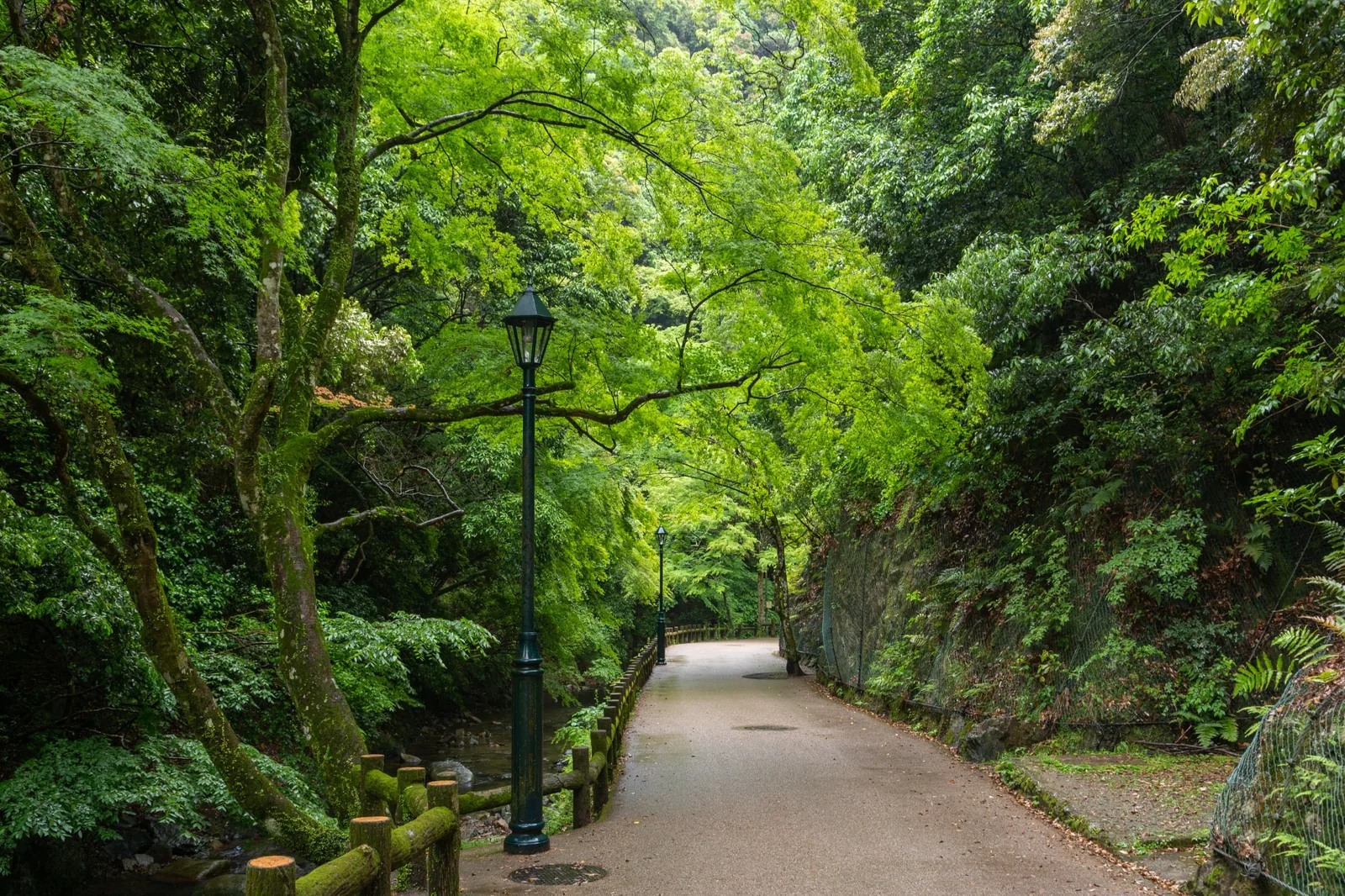
The walk begins on the Takimichi trail, a riverside path that stretches from the area near Minoh Station to Minoh Falls. Within a few minutes, the station buildings and residential streets begin to disappear behind trees, traditional buildings and the sound of the Minoh River.
The route is straightforward: continue upstream beside the river and follow the signs for Minoh Falls. Although the path gradually climbs, it feels more like a long park walk than a mountain hike under normal conditions. The return journey follows the same route and is slightly easier because it is mostly downhill.
Is the Minoh Falls Trail Difficult?
For most visitors, the regular Takimichi trail is an easy walk. Much of it is paved, and the incline is generally gentle, but the full return route still involves around 80–100 minutes of walking. Comfortable shoes are a better choice than sandals, and wet leaves or shaded surfaces can become slippery after rain.
Who Is This Walk Suitable For?
The regular route suits casual walkers, families and visitors who do not normally hike. However, temporary closures, construction and weather damage can change trail conditions. Check the official park website before relying on wheelchair or stroller access.
Optional Stop: Minoh Park Insectarium
About 15–20 minutes from Minoh Station, the Minoh Park Insectarium is an easy optional stop for families, curious travelers or anyone looking for a short indoor break.
The museum displays insects from the Minoh area and farther afield. Its butterfly garden is a highlight, with living butterflies flying inside an enclosed space. A visit can take around 20–40 minutes, so skip it when you want to reach the waterfall early and add it when traveling with children or dealing with light rain.
A Short Stop at Ryuanji Temple
Ryuanji Temple sits directly beside the walking route, making it one of the easiest cultural stops to add to the trip. Its history is traditionally traced to the seventh century, when the Minoh area developed as a place of mountain worship and religious training.
The temple’s Benzaiten image is said to be among the oldest in Japan. Ryuanji is also associated with Minoh Tomi, a traditional lottery-like event often described as an origin of Japan’s modern lottery culture.
Spend around 10–15 minutes looking around before continuing toward the waterfall. Remember that this is an active religious site: speak quietly, avoid blocking worshippers and follow any photography signs displayed on the grounds.
Local Steps Tip
Ryuanji is worth a short stop, but there is no need to treat it as a separate destination. Its appeal comes from how naturally the temple fits into the riverside walk.
Reaching Minoh Falls
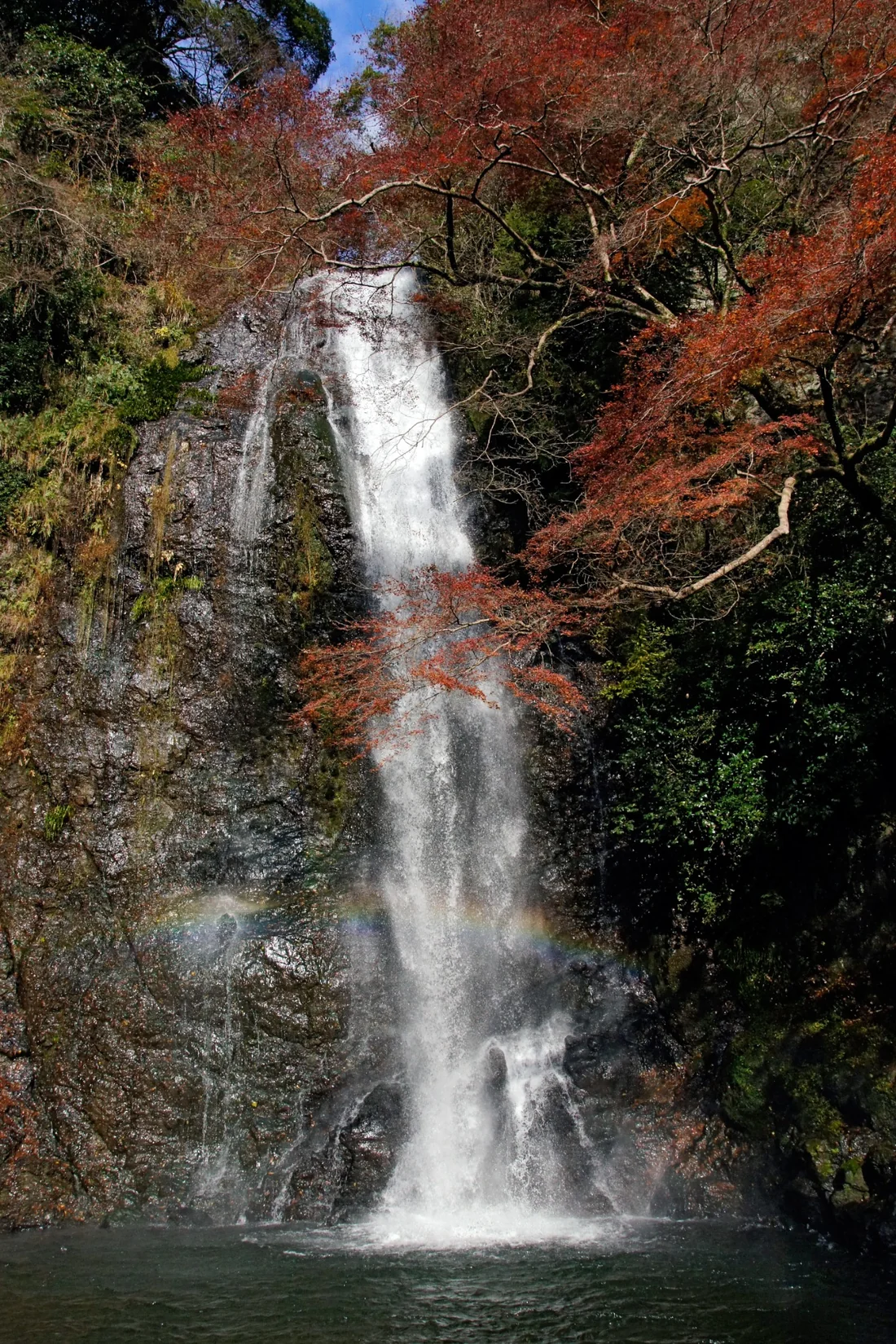
As you move farther into the park, buildings become less frequent and the valley feels more enclosed. The final section continues upstream through the forest until the 33-meter Minoh Falls appears beyond the trees.
Minoh Falls is included among Japan’s 100 notable waterfalls. There is a viewing area where you can rest and take photographs. Allow around 20–30 minutes here, especially when the area is quiet. During peak autumn weekends, the viewpoint and nearby path can become crowded, so morning visits are more comfortable.
Do Not Rush Back
The waterfall is the headline attraction, but the walk is a major part of the experience. On the return journey, slow down for places you passed earlier rather than treating the route as a race back to the station.
Optional Coffee Break at Yamamoto Coffee-kan
Yamamoto Coffee-kan is a classic coffee house beside the river inside Minoh Park. Its forest setting makes it a convenient place to rest without leaving the main walking route.
The menu includes coffee, desserts and light meals such as sandwiches. Stopping on the way back from the waterfall usually works best because you can relax without worrying about reaching the falls on schedule.
The shop is generally open from 10:00 to 17:00, with last orders at 16:30, and is normally closed on Mondays. When Monday is a national holiday, it opens and closes the following day instead. Hours may also change according to the season or weather, so check the latest information before visiting.
Yamamoto Coffee-kan is a convenient riverside stop on the return walk from Minoh Falls.
Try Minoh’s Famous Momiji Tempura
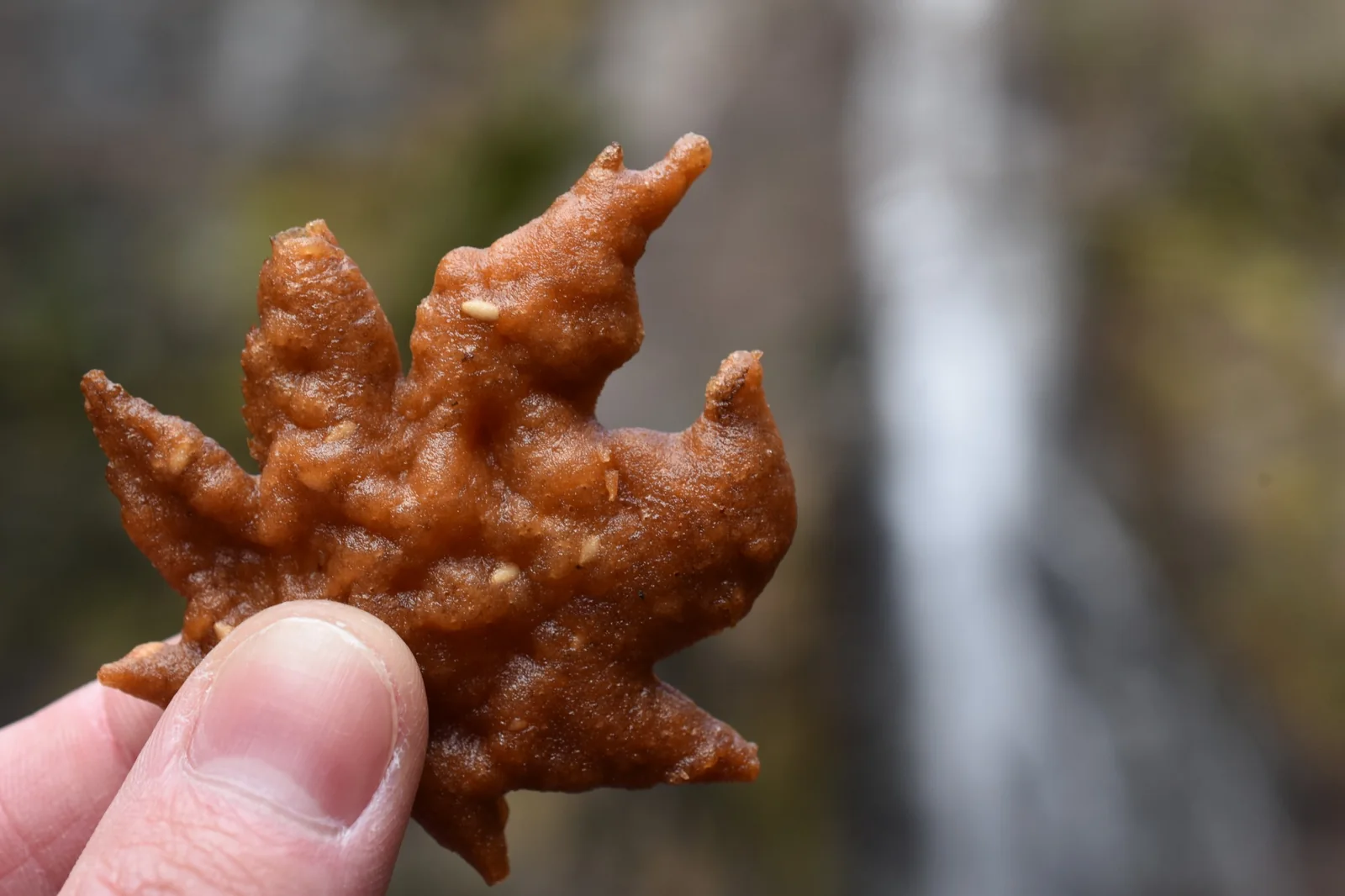
Before leaving Minoh, try momiji tempura, the maple-leaf snack most closely associated with the area.
Despite its name, it is not the same as the savory vegetable tempura served with a meal. A preserved maple leaf is coated in a sweet batter containing sesame and fried until crisp. The result is closer to a lightly sweet, crunchy cookie than a side dish.
Several shops around the station and Takimichi trail sell it in souvenir bags. It keeps better than freshly prepared street food, so it is easy to take back to your hotel or bring home as a small Osaka gift.
Where to Buy It: Hisakuni Kousendo cobeni
A convenient place to stop is Hisakuni Kousendo cobeni, around three minutes on foot from Minoh Station. The shop sells momiji tempura as well as yuzu products and other Minoh souvenirs.
Visit after returning from the waterfall rather than carrying your purchases for the entire walk. Popular items may sell out during busy periods, and business hours can change, so treat the shop as a recommended stop rather than the only place where the snack is available.
Best Time to Visit Minoh Falls
Minoh Falls can be visited throughout the year, and each season changes the character of the walk. Autumn is the most famous period, but it is not automatically the best choice for every traveler.
Visiting During Autumn
On a peak-foliage weekend, aim to arrive at Minoh Station in the morning. The trail, waterfall viewpoint, cafés and railway services can become much busier later in the day.
Practical Tips for the Walk
Before departure, review the latest Minoh Park notices.
Frequently Asked Questions
How long do you need for Minoh Falls?
Allow around four to five hours for the full trip from Osaka-Umeda, including transportation, the return walk and a few short stops. From Minoh Station alone, two and a half to three and a half hours is a comfortable estimate.
Is Minoh Falls free to visit?
Yes. There is no admission fee for the main park, walking trail or waterfall. Optional attractions such as the insectarium charge a separate admission fee.
Can you use a stroller or wheelchair?
Much of the regular route is paved and step-free, although there is one steep section. Temporary detours, construction and weather damage can affect access, so check the current official trail notice before depending on a step-free journey.
Are there monkeys in Minoh Park?
Wild Japanese macaques may appear around the wider Minoh area. Do not approach them, feed them or show them food. Keep a calm distance and place visible snacks or shopping bags inside your backpack.
Can you visit Minoh Falls on a rainy day?
A light-rain walk can be atmospheric, but wet leaves and shaded surfaces may become slippery. Avoid the route during severe weather and check for closures after heavy rainfall. For a safer city-based alternative, use our Osaka rainy-day itinerary.
Is Minoh Falls Worth Visiting?
Minoh Falls is worth visiting when you want an uncomplicated nature break rather than a demanding mountain adventure.
It does not offer the scale of Japan’s remote national parks, and autumn weekends are not hidden or crowd-free. Its strength is convenience: one train transfer from Umeda, a clear riverside route and enough cultural and food stops to turn a waterfall walk into a complete half-day outing.
For repeat visitors who have already spent several days around Osaka’s busiest neighborhoods, Minoh shows a quieter side of the prefecture without requiring another hotel, a rental car or a full day of travel.
Local Steps Verdict
Choose Minoh when you want to exchange Osaka’s crowds and concrete for a few hours of river sounds, forest shade and easy walking—without turning the day into a major expedition.
Continue Planning Your Osaka Trip
Minoh works well as a lighter day inside a longer Osaka stay. Continue with one of these practical Local Steps Japan guides.
Travel information, trail access and business hours can change. Confirm essential details with official sources before visiting.