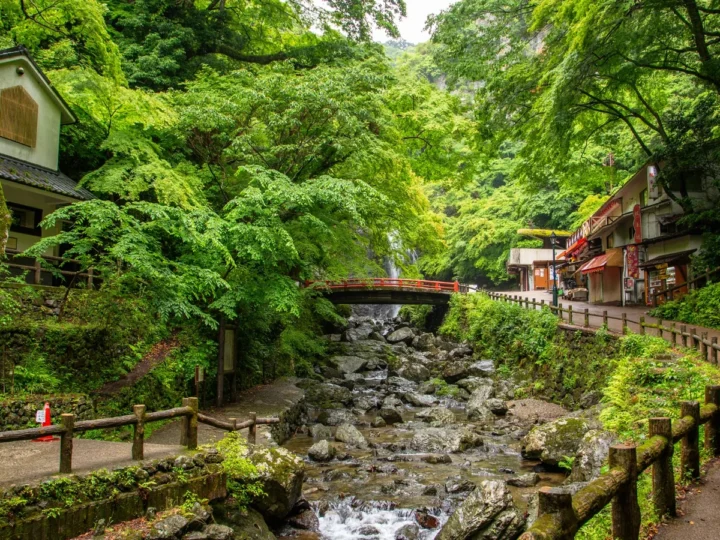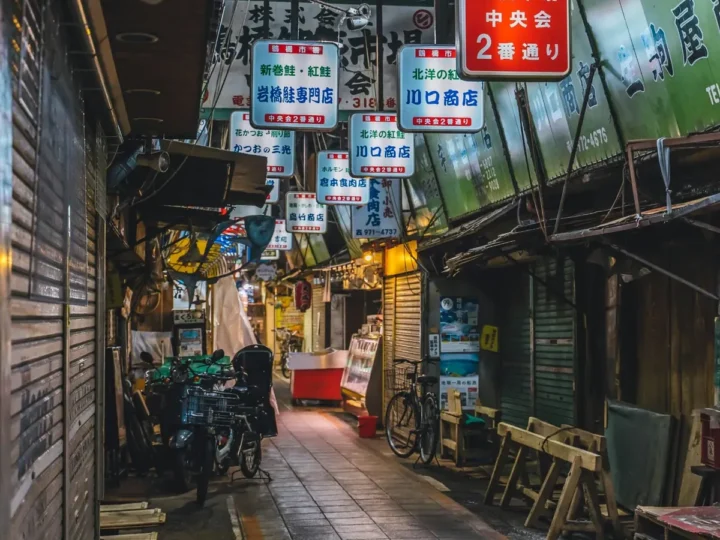
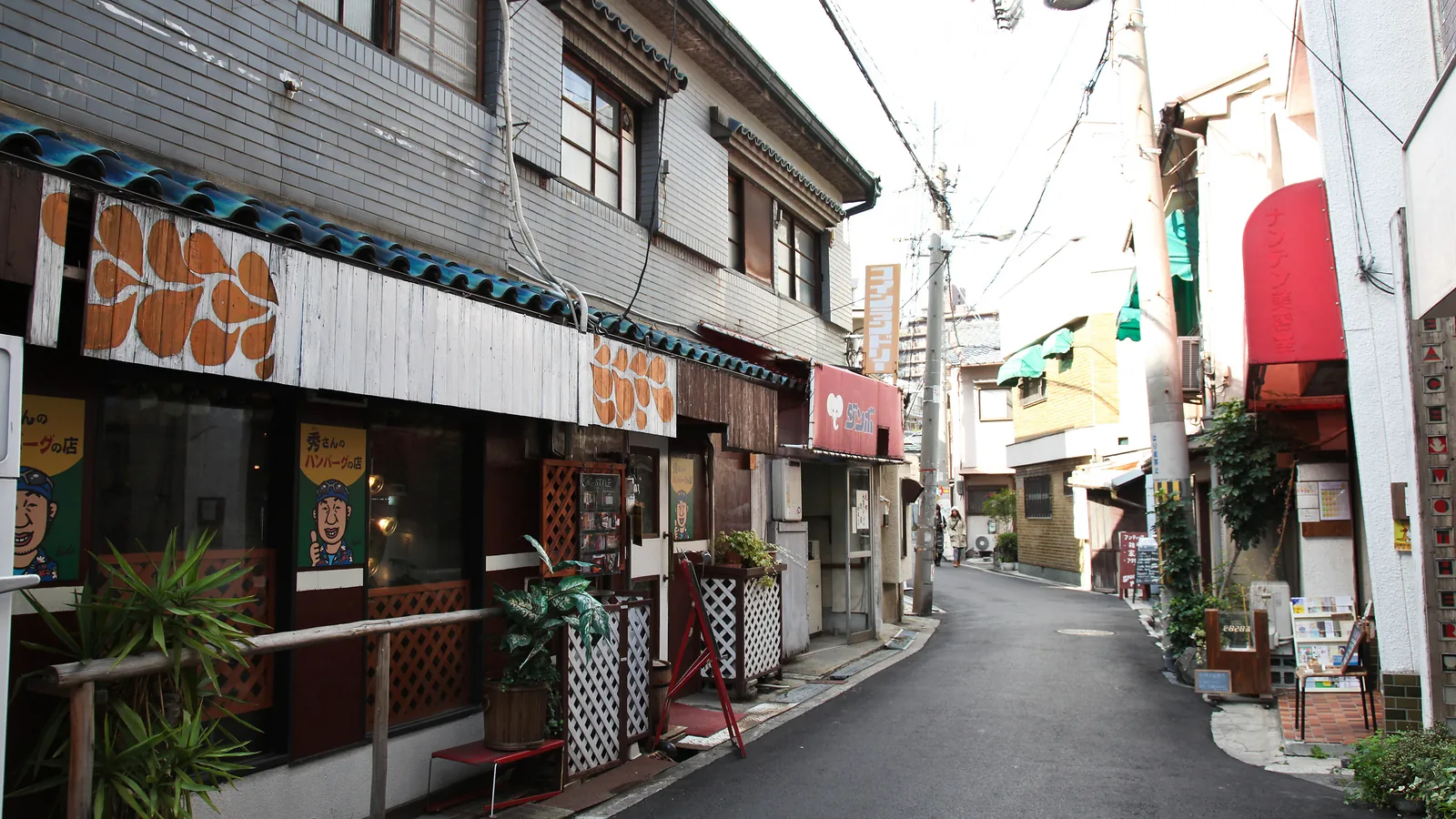
Osaka is famous for Dotonbori, Osaka Castle and Universal Studios Japan—but the city becomes much more interesting when you leave the standard sightseeing route.
For a broader city plan, pair this list with our 3-day Osaka itinerary. If you are still choosing a base, compare neighborhoods in our where to stay in Osaka guide.
Beyond the neon signs are pre-war alleys, family-run shopping streets, wholesale markets, converted warehouses and neighborhoods shaped by communities from across Japan. These places are not all “secret,” and some are already popular with local visitors. However, they offer a very different side of Osaka from the attractions most first-time travelers see.
This guide is designed especially for repeat visitors who want to slow down, explore ordinary streets and experience Osaka as a living city rather than a checklist of landmarks.
Quick comparison: which hidden gem suits you?
| Place | Best for | Nearest station | Suggested time |
|---|---|---|---|
| Nakazakicho | Cafes, vintage shops and retro alleys | Nakazakicho | 1.5–2 hours |
| Karahori | Old row houses and quiet backstreets | Tanimachi 6-chome | 1.5–2 hours |
| Gamoyon | Renovated townhouses and local dining | Gamo 4-chome | 1.5–2 hours |
| Hirano Old Town | Local history and an unusual temple | Hirano | 2 hours |
| Tenjinbashisuji | Everyday shopping and casual food | Tenma / Minamimorimachi | 2 hours |
| Kizu Market | Seafood and an early local breakfast | Daikokucho | 1–1.5 hours |
| Tsuruhashi Market | Korean food and maze-like lanes | Tsuruhashi | 2 hours |
| Little Okinawa | Okinawan culture and food | Taisho + city bus | 2–3 hours |
| Osaka Ekimae Buildings | After-work izakaya culture | Osaka / Umeda | 1.5–2 hours |
| Semba Center Building | Textiles, retro commerce and lunch | Hommachi | 1.5–2 hours |
| Matsuyamachi | Toys, dolls and seasonal goods | Matsuyamachi | 1–1.5 hours |
| Kitakagaya | Street art and industrial scenery | Kitakagaya | 2–3 hours |
| Shinsekai Market | Old shops beyond central Shinsekai | Ebisucho | 1–1.5 hours |
| Ishikiri Sando | A shrine approach with old shops | Ishikiri / Shin-Ishikiri | 2–3 hours |
| Farmhouse Museum | Architecture, history and a quiet walk | Ryokuchi-koen | 2–3 hours |
15 hidden gems in Osaka
1. Nakazakicho: retro Osaka beside Umeda
Nakazakicho sits surprisingly close to the high-rise buildings and department stores of Umeda. Step into its smaller lanes, however, and the atmosphere changes to old wooden homes, compact galleries, independent cafes, vintage clothing and tiny shops hidden behind sliding doors.
The pleasure here is not one famous attraction. It is wandering without a strict plan and noticing how older buildings have been adapted rather than replaced. Start around Nakazakicho Station, explore the lanes on both sides of the main streets, and finish with coffee before walking back toward Umeda.
2. Karahori Shopping Street and Tanimachi 6-chome
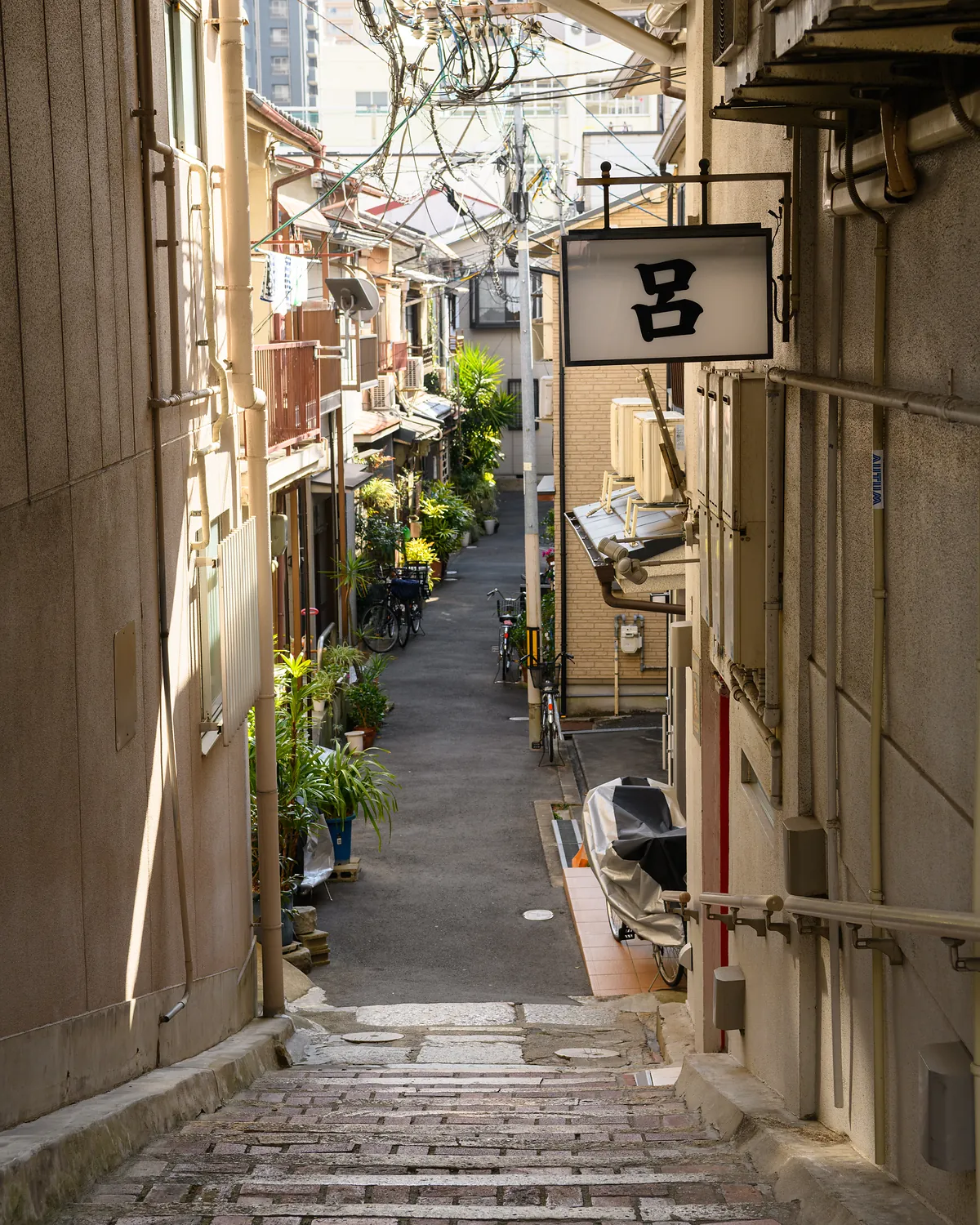
Karahori is one of the best places in central Osaka for travelers who enjoy old lanes more than famous monuments. Its covered shopping street extends for roughly 800 meters, but the most interesting discoveries are often found in the sloping alleys and side streets around it.
Parts of the area escaped the destruction that reshaped much of central Osaka, leaving clusters of early-Showa row houses and narrow passages. Some buildings remain private homes, while others have become cafes, small restaurants, galleries and craft shops.
3. Gamoyon: old townhouses with a new purpose
Gamo 4-chome—usually shortened to “Gamoyon”—is a residential and dining district east of Osaka Castle. The neighborhood has gained attention for projects that restore old houses and nagaya row homes while preserving their original downtown character.
Unlike Nakazakicho, Gamoyon is not mainly a daytime cafe district. It works particularly well in the late afternoon or evening, when renovated buildings open as restaurants and bars. The contrast between modest residential streets and carefully restored interiors is the main attraction.
4. Hirano Old Town and Senkoji Temple
Hirano feels more like a separate old town than another central Osaka neighborhood. Temples, traditional streets and traces of its history appear between ordinary homes and local shops. It is a good choice for visitors who want somewhere calm and largely residential.
The area’s most unusual stop is Senkoji. Its “Hell Hall” uses images and displays connected to Buddhist ideas of judgment and the afterlife, while another area represents paradise. It is memorable, slightly eccentric and very different from Osaka’s better-known temples.
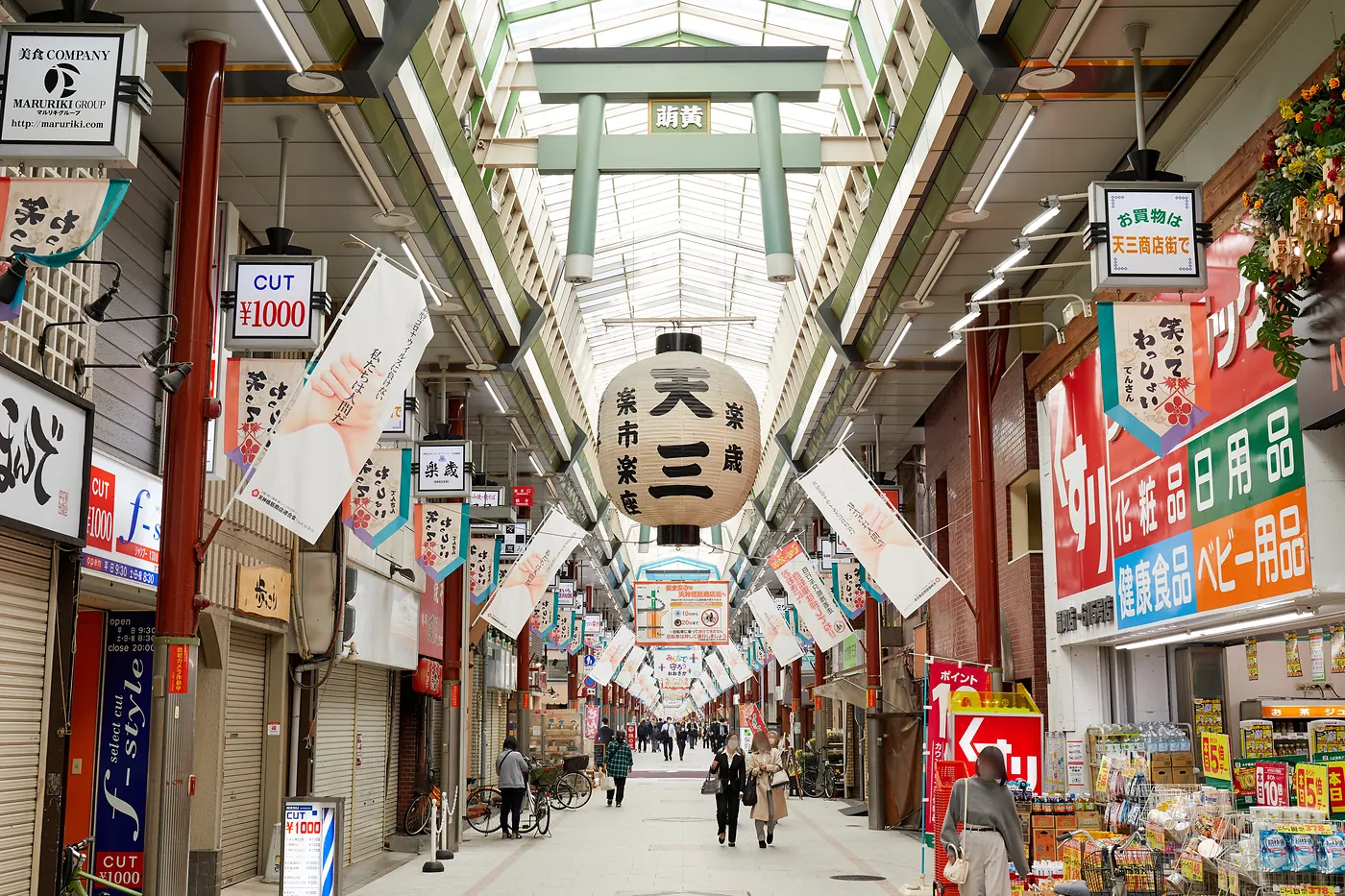
5. Tenjinbashisuji Shopping Street
Tenjinbashisuji stretches for approximately 2.6 kilometers through northern central Osaka. It is often introduced as Japan’s longest shopping street, but the real reason to visit is its mixture of everyday businesses: prepared-food counters, tea shops, casual restaurants, clothing stores, pharmacies and long-running specialty shops.
You do not need to walk the full length. A practical route begins around Osaka Tenmangu and Minamimorimachi, continues north through the arcade, and ends around JR Tenma Station or Tenjinbashisuji 6-chome.
6. Osaka Kizu Wholesale Market
Travelers often head directly to Kuromon Market, but Kizu Market offers a more work-focused atmosphere. This is a real wholesale market where seafood, produce and restaurant supplies move early in the day. Visitors can also find eateries serving sushi, seafood bowls and other breakfasts or early lunches.
Timing matters. Market businesses begin early, and many wind down before noon. Official tourism information lists general hours of 7:00 to 13:00, while the market itself recommends visiting roughly between 8:30 and 10:30 for shopping.
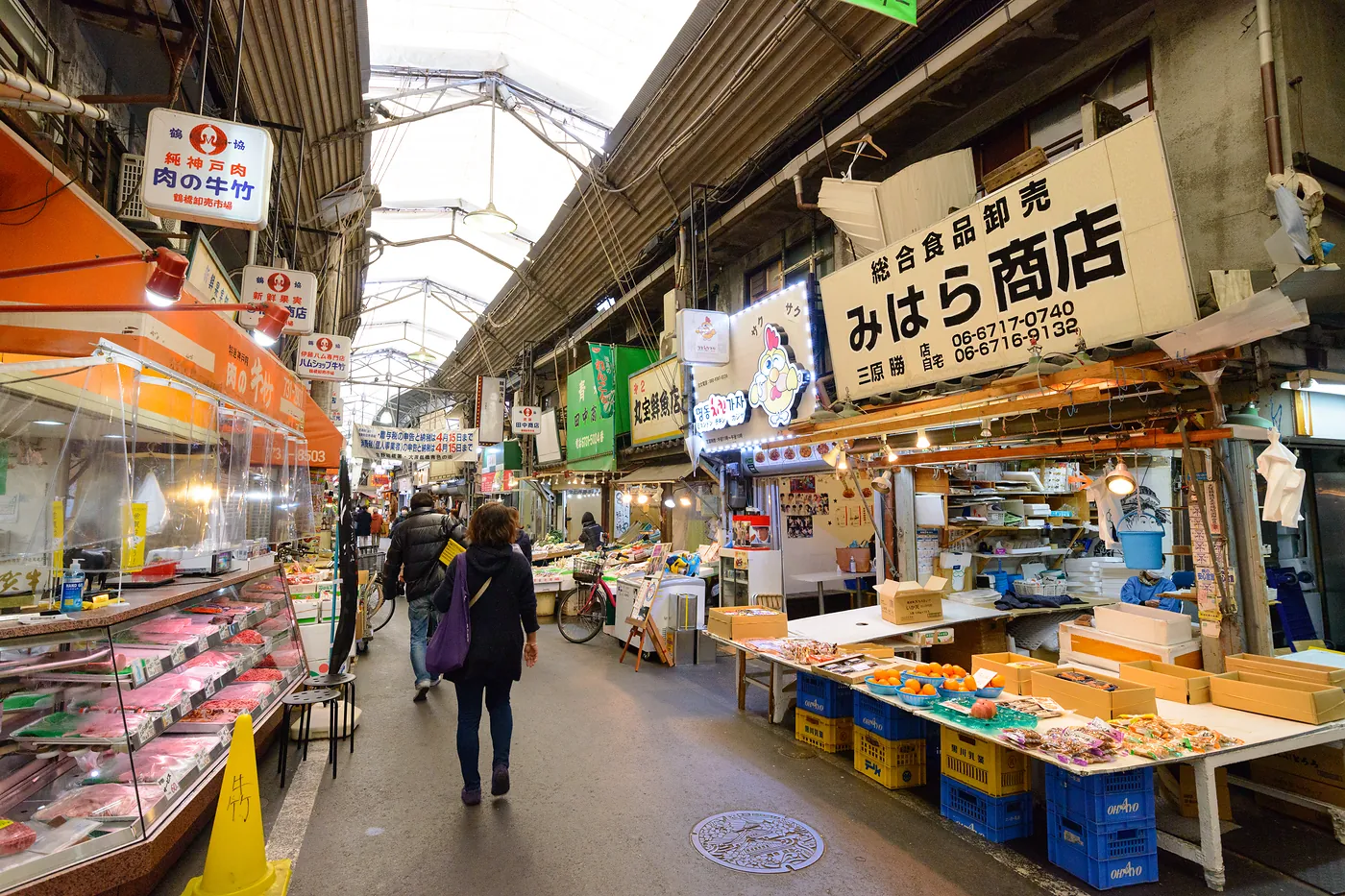
7. Tsuruhashi Market
Tsuruhashi is one of Osaka’s most atmospheric food districts. Around the station, narrow passages connect Korean food stores, yakiniku restaurants, fresh-fish sellers, clothing shops and small specialty businesses. The layout can feel confusing, but getting slightly lost is part of the experience.
The wider market area consists of several connected markets and shopping streets. Start directly around Tsuruhashi Station, then continue east if you want to explore more of Osaka’s Korean community and the shops toward Ikuno Korea Town.
8. Little Okinawa in Taisho Ward
Taisho Ward has long-standing connections with Okinawa, shaped by migration to Osaka during the growth of local industry. Around Hirao, Okinawan restaurants, food shops, shisa motifs and community traditions have earned the district the nickname “Little Okinawa.”
From Taisho Station, take an Osaka City Bus toward Hirao. The neighborhood is spread out and less visually polished than a tourist district, but that is precisely what makes it meaningful: Okinawan culture here is part of everyday community life rather than a recreated attraction.
9. The basement floors of the Osaka Ekimae Buildings
Directly south of Osaka Station are four interconnected office-and-commercial buildings whose basement floors form a dense maze of restaurants, standing bars, cafes and small shops. Above ground they look functional; below ground they reveal one of Umeda’s most local after-work scenes.
Prices and opening patterns vary widely, and individual businesses change over time. Rather than visiting for one famous restaurant, walk through several basement levels, compare menus and choose somewhere that feels welcoming.
10. Semba Center Building
Semba Center Building is a one-kilometer commercial complex constructed beneath the elevated Hanshin Expressway. Its ten connected buildings contain textile wholesalers, clothing retailers, shoe shops, accessories and basement restaurants.
This is not a polished luxury mall. Its appeal comes from scale, repetition and the feeling of walking through Osaka’s commercial history. Some upper-level stores are business-oriented, while the lower floors and later-numbered buildings are generally easier for casual visitors to browse.
11. Matsuyamachi Shopping Street
Matsuyamachi—pronounced “Matchamachi” in the local dialect—is a traditional wholesale district known for dolls, toys, sweets, Japanese paper, fireworks and seasonal goods. The merchandise changes throughout the year, reflecting events such as Hinamatsuri, Children’s Day and summer festivals.
The street itself is broader and more traffic-heavy than Karahori, so the experience is about browsing specialty storefronts rather than enjoying a pedestrian-only arcade. It is especially interesting for travelers curious about Japanese seasonal traditions and family celebrations.
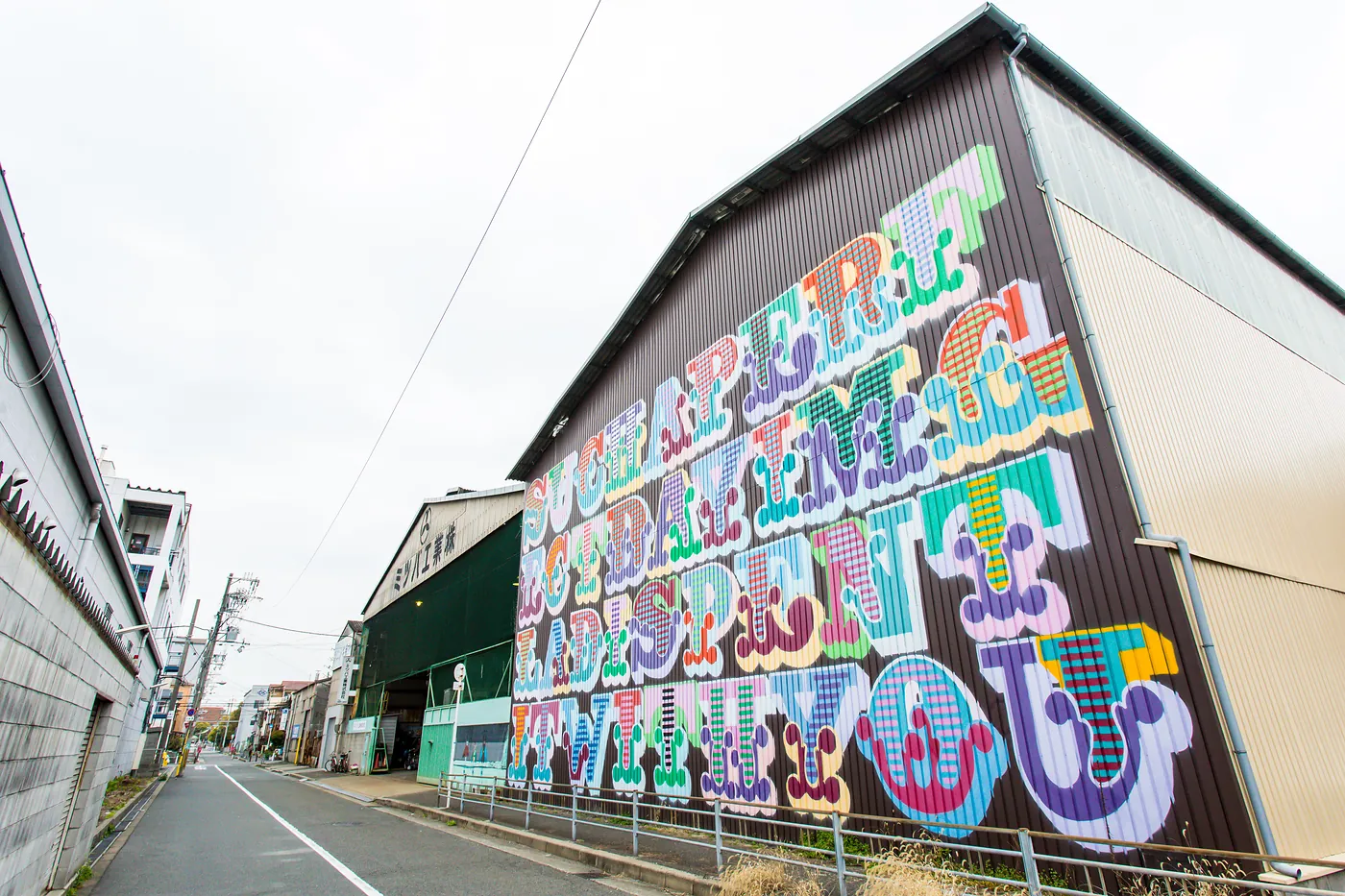
12. Kitakagaya Art District
Kitakagaya developed around shipbuilding and industry near the mouth of the Kizu River. Former factories, warehouses and vacant properties have since supported studios, creative spaces and large-scale public artworks, giving the area a character unlike central Osaka.
The murals are spread across the neighborhood rather than concentrated in one museum. Download or save an art map before arriving, then treat the walk like a treasure hunt. Some indoor art spaces open only for exhibitions or events, so do not assume every building will be accessible.
13. Shinsekai Market, north of Tsutenkaku
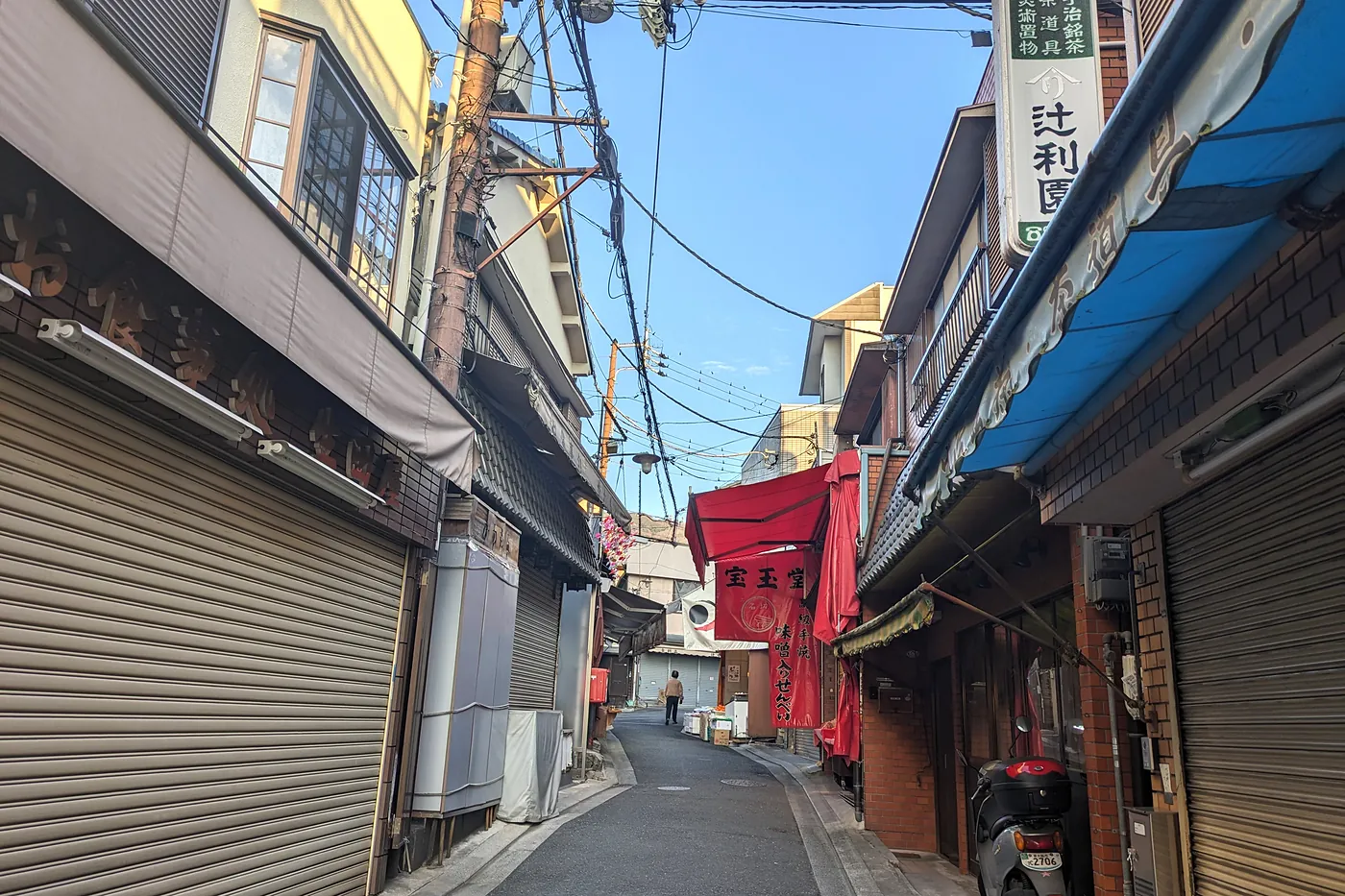
Shinsekai itself is no longer hidden, but many visitors approach Tsutenkaku from the south and never properly explore the small market on its northern side. Shinsekai Market combines century-old businesses with newer shops and creative spaces in a short, narrow arcade.
This is a better place for observing neighborhood continuity than hunting for a long list of attractions. Look for old confectionery, pickles and food businesses, then compare the quieter northern side of Shinsekai with the brighter restaurant streets around Tsutenkaku.
14. Ishikiri Sando and Ishikiri-Tsurugiya Shrine
On the lower slopes of Mount Ikoma, Ishikiri offers a classic shrine-town experience without leaving Osaka Prefecture. The approach between Ishikiri Station and Ishikiri-Tsurugiya Shrine is lined with traditional food shops, restaurants, herbal products, souvenirs and fortune-telling businesses.
The shrine is widely known for the repeated prayer practice called ohyakudo-mairi, in which worshippers walk between designated stones and the main sanctuary. Visitors should watch respectfully and avoid interrupting people who are praying.
If you want another historic shrine experience inside Osaka, our Sumiyoshi Taisha guide makes a useful companion read.
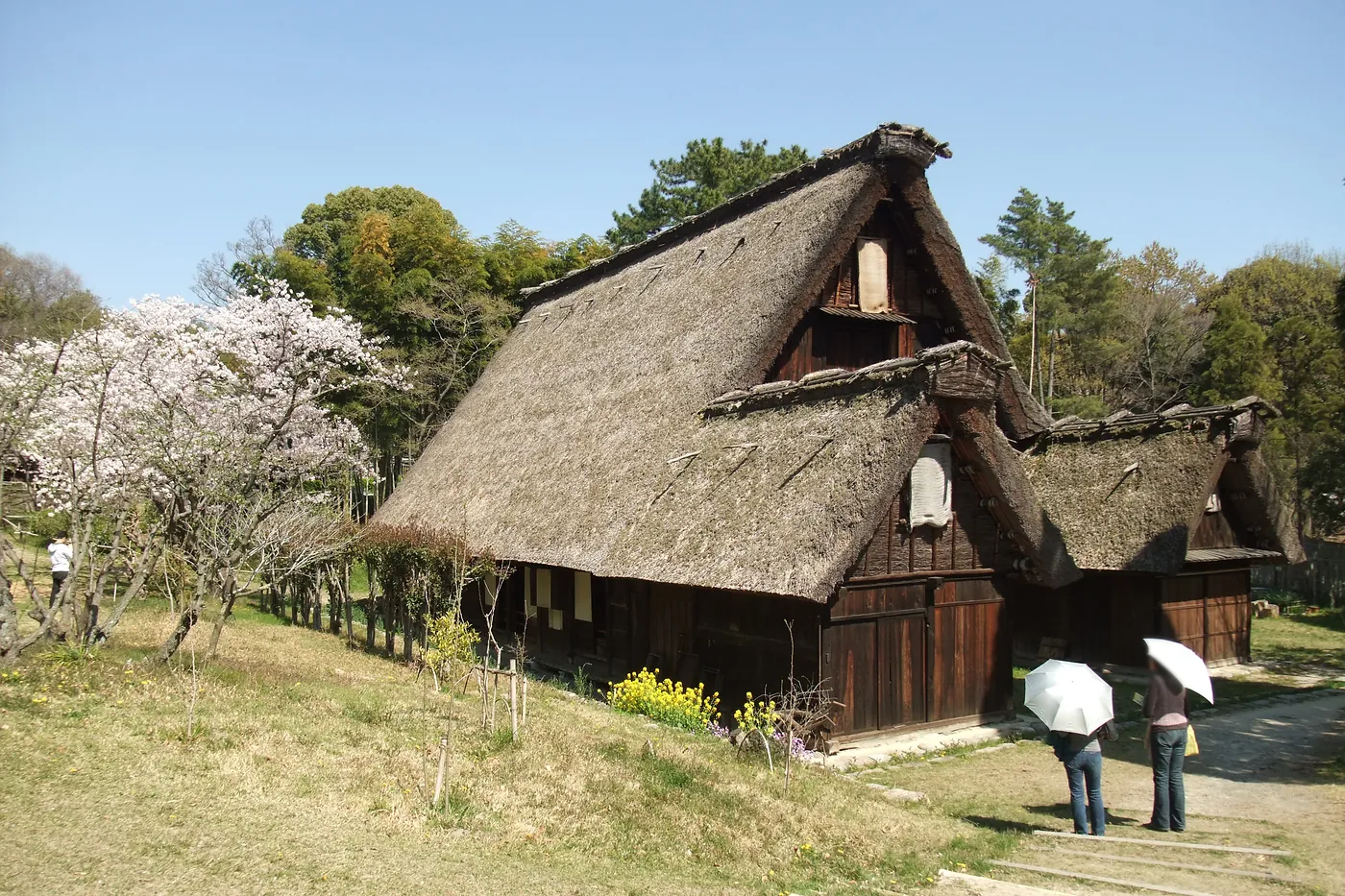
15. Open-Air Museum of Old Japanese Farm Houses
Hidden inside Hattori Ryokuchi Park in Toyonaka, this open-air museum brings together historic homes from different regions of Japan. The reconstructed buildings show how architecture responded to snow, heat, agriculture, storage needs and regional customs long before modern construction.
The museum occupies a spacious, green site and feels far removed from central Osaka despite being reachable on the rail line connected to the Midosuji subway. At the time of writing, general opening hours are 9:30 to 17:00, with last admission at 16:30; it is generally closed on Mondays and during the year-end holiday period.
Three easy half-day routes
Retro central Osaka
Matsuyamachi → Karahori → Tanimachi 6-chome
Start among the doll and toy wholesalers of Matsuyamachi, then walk west into Karahori’s shopping street, row houses and sloping alleys. This is the easiest route for travelers staying around Namba, Shinsaibashi or Honmachi.
Local food and markets
Kizu Market → Tsuruhashi Market
Begin early at Kizu Market for breakfast, then take the subway and JR to Tsuruhashi for Korean food, market lanes and lunch. It is a food-heavy route, so share dishes and leave room between stops.
Creative and industrial Osaka
Kitakagaya → Little Okinawa
Explore Kitakagaya’s murals during daylight, then continue toward Taisho Ward for Okinawan food in the late afternoon or evening. Together they reveal communities rarely included in standard Osaka itineraries.
Tips for exploring local Osaka
- Check opening days. Small independent businesses often close one or two weekdays and may change hours without much English-language notice.
- Carry some cash. Card acceptance is improving, but smaller markets, cafes and old shops may still prefer cash.
- Visit markets early. Wholesale markets are most active in the morning and can become quiet before lunchtime.
- Respect residential spaces. Narrow alleys may look photogenic but can also be entrances to private homes.
- Do not over-plan. These neighborhoods reward curiosity more than a minute-by-minute schedule.
Frequently asked questions
Are these places completely free of tourists?
No. Nakazakicho, Tenjinbashisuji and Tsuruhashi are already known to many visitors. They are included because they offer a more local experience than Osaka’s standard landmark route, especially when explored beyond their most photographed streets.
Which hidden gem is best for a first repeat visit to Osaka?
Karahori is the easiest all-round choice. It is central, walkable, visually distinctive and simple to combine with Matsuyamachi, Shinsaibashi or Osaka Castle.
Which places are best on a rainy day?
Tenjinbashisuji, Tsuruhashi Market, the Osaka Ekimae Buildings and Semba Center Building all provide significant covered or indoor areas. Karahori and Kitakagaya are less convenient during heavy rain.
Which area is best for photography?
Kitakagaya is best for bold street art, while Karahori and Ishikiri are better for traditional streets. Always avoid photographing people closely without permission and check rules before shooting inside shops or temples.
Can I visit several of these places in one day?
Yes, but choose places in the same part of the city. Two or three neighborhoods are usually enough. Trying to cover all 15 would turn a local-exploration article into a transportation marathon.
Final thoughts
Osaka’s most memorable places are not always the ones with observation decks, giant signs or long ticket lines. Sometimes they are a market at breakfast, a restored townhouse behind an ordinary facade, or a shopping street serving the same community for generations.
Choose one or two areas that match your interests, leave space in your schedule and pay attention to the everyday details. That is often where Osaka feels most like Osaka.
If this slower side of the city appeals to you, our Sakai guide works well for a local day south of central Osaka, while the best day trips from Osaka guide covers easy ideas beyond the city.