How much money do you really need for three days in Osaka? The honest answer depends less on whether Osaka is “cheap” and more on three decisions: where you sleep, how often you sit down for drinks and dinner, and how many paid attractions you try to fit into one day.
This guide gives you a realistic Osaka travel budget for a 3-day, 2-night trip. It compares budget, mid-range and comfortable travel styles, then breaks the total into accommodation, food, transportation, attractions and airport access.
Official transport and pass information in this article was checked on July 24, 2026. Fares, hotel rates and attraction conditions can change, so confirm important details before traveling.
How Much Does a 3-Day Trip to Osaka Cost?
A realistic Osaka budget starts at around ¥25,000 per person when you share an inexpensive room, eat mostly simple local meals and focus on free neighborhoods. The total rises quickly when you book a central hotel on a busy weekend, add evening drinks or visit several major attractions.
| Travel style | 3 days / 2 nights | What it usually looks like |
|---|---|---|
| Budget | ¥25,000–¥40,000 | Hostel or simple hotel, local noodles and set meals, IC-card travel, mostly free sights. |
| Mid-range | ¥45,000–¥80,000 | Business or mid-range hotel, restaurant meals, several paid attractions and occasional drinks. |
| Comfortable | ¥85,000–¥150,000+ | Higher-quality central hotel, relaxed dining, taxis when useful and more paid experiences. |
These ranges are deliberately wider than a perfect spreadsheet. Osaka hotel prices can move sharply around weekends, holidays, concerts, major events and cherry-blossom season. A room booked early for a quiet weekday can cost far less than the same category booked late for Saturday night.
What Is Included in This Osaka Budget?
- Three calendar days and two hotel nights
- One adult traveler
- Half the cost of a twin or double room shared by two people
- Meals, drinks, local transportation and sightseeing
- Airport transfer shown as a separate budget item
The estimate does not include international airfare, major shopping, nightlife with several bars, luxury restaurants or a day at Universal Studios Japan. Add those separately rather than trying to hide them inside a general daily allowance.
Accommodation Costs in Osaka
Accommodation is normally the largest and most unpredictable part of the trip. For two nights, a useful per-person planning range is:
| Accommodation style | Per person / night | Two-night estimate |
|---|---|---|
| Hostel, capsule or very simple room | ¥4,000–¥7,000 | ¥8,000–¥14,000 |
| Business or mid-range hotel | ¥8,000–¥18,000 | ¥16,000–¥36,000 |
| Comfortable central hotel | ¥20,000–¥40,000+ | ¥40,000–¥80,000+ |
Namba is convenient for nightlife, food and southern Osaka. Umeda is stronger for JR connections and day trips toward Kyoto or Kobe. Tennoji can offer a useful balance of airport access, transport and value, while Shin-Osaka is practical for Shinkansen-heavy trips but less atmospheric at night.
Paying slightly more for the right station can reduce both transportation costs and wasted time. Before booking, compare the areas in our
guide to the best places to stay in Osaka.
How Much Does Food Cost in Osaka?
Osaka is easy to enjoy without expensive dining. Noodles, curry, rice bowls, set meals and casual restaurants can keep the daily food budget under control. Alcohol, specialty meat and late-night restaurant hopping are what usually push the total upward.
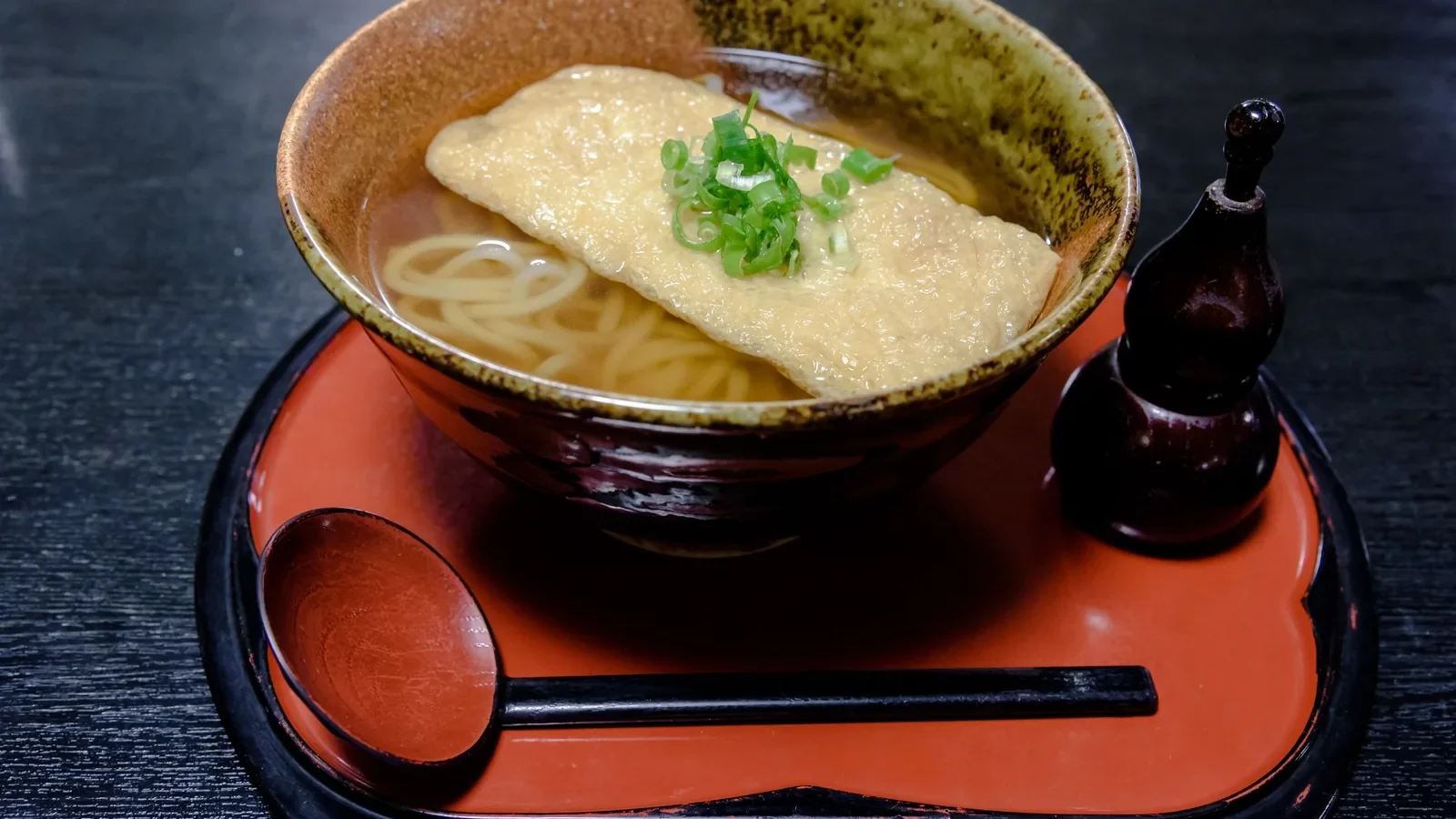
Photo: MemColorLab
· CC BY-SA 4.0
· Wikimedia Commons · resized and converted to WebP.
| Meal | Planning estimate | Typical choice |
|---|---|---|
| Simple breakfast | ¥500–¥1,000 | Bakery, café morning set or convenience-store breakfast |
| Local lunch | ¥900–¥2,000 | Udon, curry, rice bowl, ramen or teishoku set meal |
| Casual dinner | ¥1,500–¥3,500 | Okonomiyaki, noodles, casual sushi or neighborhood restaurant |
| Izakaya dinner with drinks | ¥3,000–¥6,000+ | Several shared dishes, beer or highballs |
A budget traveler can eat reasonably well for about ¥2,500–¥3,500 per day. A more relaxed food budget is ¥4,000–¥6,000 per day, while a meat-focused dinner, several drinks or a formal course can exceed that by itself.
For neighborhood ideas and dishes that go beyond the obvious classics, see our
Osaka local food guide.
Transportation Costs in Osaka
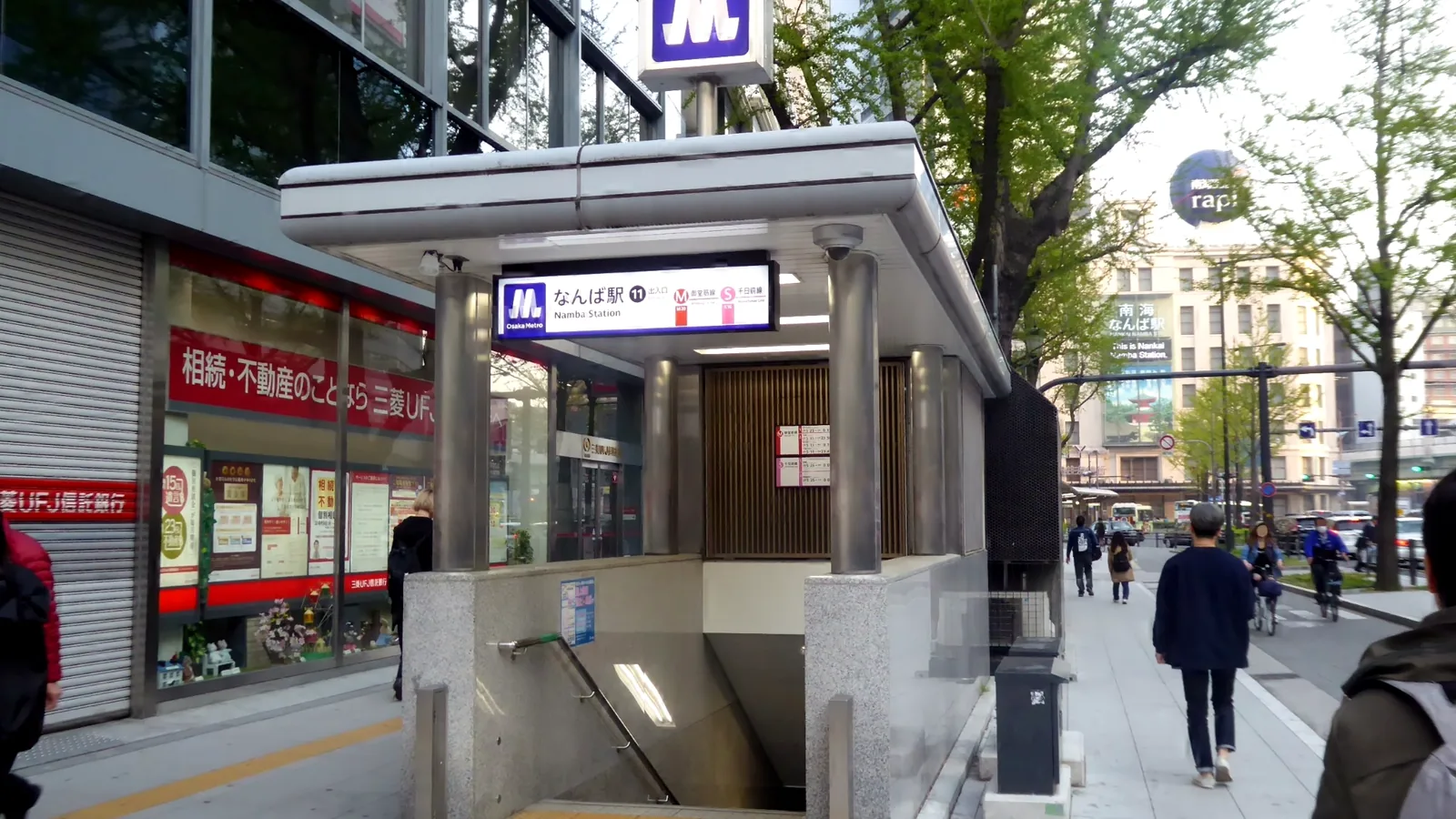
Photo: Tokumeigakarinoaoshima
· CC BY-SA 4.0
· Wikimedia Commons · cropped, adjusted and converted to WebP.
Osaka Metro adult fares currently range from ¥190 to ¥390, depending on distance. Most central sightseeing rides fall toward the lower or middle part of that range.
The Osaka 1-Day Pass, also known as the Enjoy Eco Card, costs ¥820 on weekdays and ¥620 on Saturdays, Sundays and holidays. It covers Osaka Metro and most Osaka City Bus routes for the day, but it does not automatically cover every private railway or JR journey.
| Transport option | Current price or estimate | Best use |
|---|---|---|
| Osaka Metro single ride | ¥190–¥390 | Two or three straightforward rides |
| Enjoy Eco Card | ¥820 weekday ¥620 weekend/holiday |
A Metro-heavy sightseeing day |
| Osaka Amazing Pass | ¥3,500 one day ¥5,000 two days |
Several included paid attractions plus transport |
| Typical 3-day city transport budget | About ¥2,000–¥5,000 | Metro, JR and private railways used selectively |
Do not buy a day pass only because it looks convenient. Add up the journeys you genuinely plan to take. Walking between nearby areas—such as Namba and Shinsaibashi, or Osaka Tenmangu and Tenjinbashisuji—can be more enjoyable than entering the subway for one short stop.
The Osaka Amazing Pass is different from a simple transport pass. The 2026 version costs ¥3,500 for one day or ¥5,000 for two consecutive days and includes eligible transport plus admission to approximately 40 participating attractions. It can be good value on an attraction-heavy schedule, but poor value on a day built around food, shrines and neighborhood walks.
Airport transportation
For airport access, set aside roughly ¥1,000–¥1,800 each way, depending on your destination and train choice. The Nankai Rapi:t digital ticket is currently ¥1,410 between Kansai Airport and Namba. Eligible short-term foreign visitors can use the WEST QR HARUKA ticket for ¥1,300 to Tennoji or ¥1,800 to Osaka and Shin-Osaka.
For route comparisons, IC cards and pass details, read our full
Osaka transportation guide.
How Much Should You Budget for Attractions?
Osaka does not require an expensive attraction every few hours. A strong itinerary can combine one paid viewpoint or museum with free shrines, parks, markets and shopping streets.
| Activity style | Daily budget | Examples |
|---|---|---|
| Mostly free | ¥0–¥1,000 | Shrines, parks, shopping streets, markets and neighborhood walks |
| One or two paid stops | ¥2,000–¥5,000 | Observation deck, museum, garden or small cultural facility |
| Attraction-heavy day | ¥5,000–¥10,000+ | Multiple major facilities, cruises, tours or premium experiences |
Free places are not filler. Sumiyoshi Taisha, Osaka Castle Park, local markets and historic shopping streets can be some of the most memorable parts of a repeat visit. The
15 hidden gems in Osaka guide
has more low-cost neighborhood ideas.
Three Realistic Osaka Budget Examples
Budget traveler
- Accommodation: ¥12,000
- Food: ¥8,000
- City transport: ¥2,500
- Attractions: ¥1,000
- Airport transfer: ¥2,500
Mid-range traveler
- Accommodation: ¥28,000
- Food: ¥15,000
- City transport: ¥3,500
- Attractions: ¥7,000
- Airport transfer: ¥3,500
Comfortable traveler
- Accommodation: ¥60,000
- Food: ¥30,000
- City transport and taxis: ¥7,000
- Attractions: ¥15,000
- Airport transfer: ¥4,000
Budget example: local and simple
Stay in a simple room near Tennoji or outside the most expensive central blocks. Eat a bakery or convenience-store breakfast, a noodle lunch and a casual dinner. Use an IC card, walk between nearby neighborhoods and choose free shrines, markets and shopping streets.
Mid-range example: the easiest balance
Book a business or mid-range hotel near Namba, Umeda or Tennoji. Eat local lunches, enjoy one izakaya evening and visit several paid attractions. This is the most realistic category for travelers who want comfort without turning every decision into a luxury purchase.
Comfortable example: convenience first
Choose a higher-quality central hotel, take reserved airport trains, use taxis when carrying luggage and allow room for bars, specialty restaurants and paid experiences. The cost can rise well beyond ¥150,000 during peak hotel dates or with premium dining.
How to Save Money in Osaka Without Making the Trip Miserable
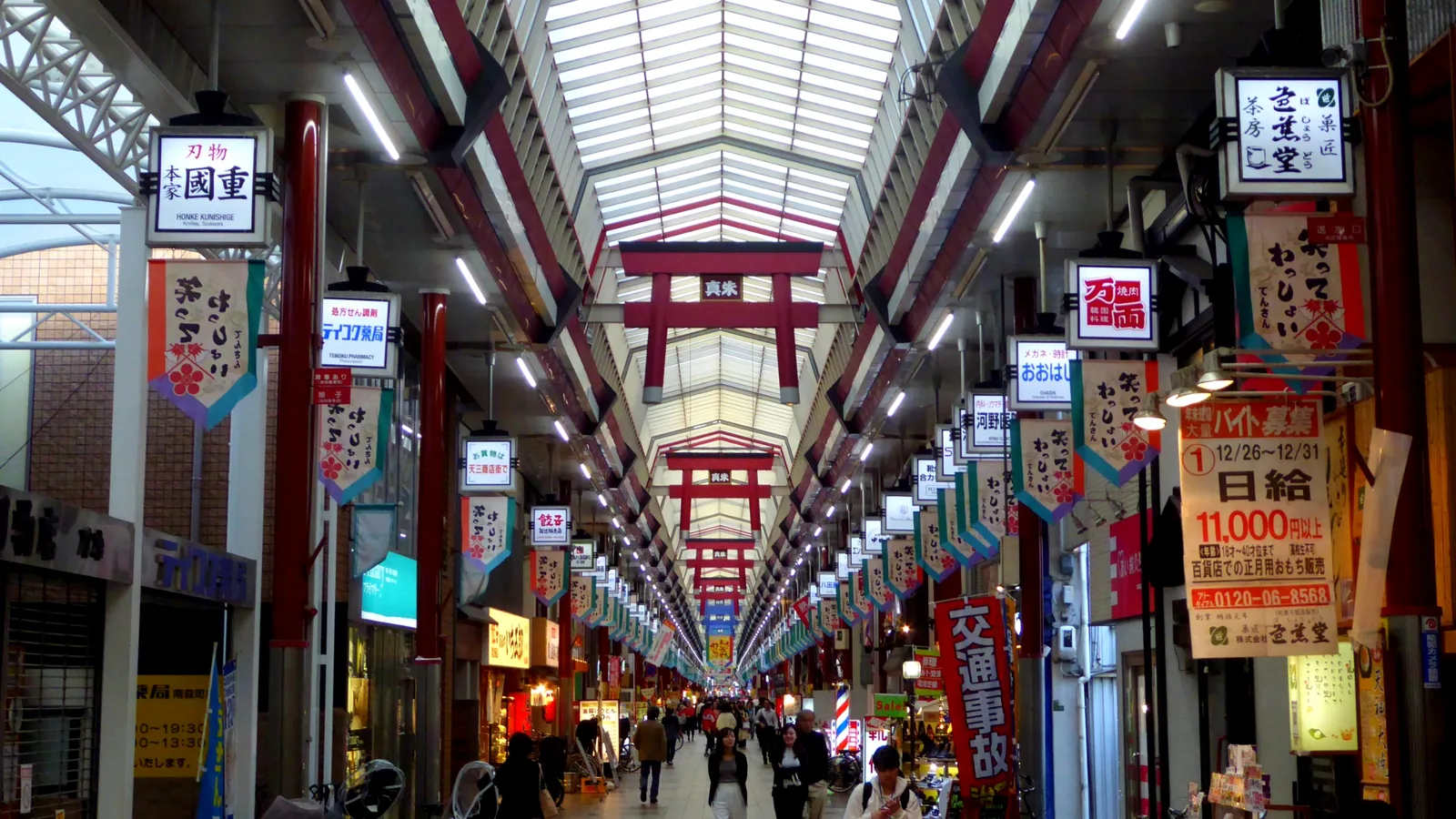
Photo: Ethan Doyle White
· CC BY-SA 4.0
· Wikimedia Commons · cropped, adjusted and converted to WebP.
- Stay near the route you will actually use. A cheaper room with two inconvenient transfers can cost more in time and fares.
- Use lunch for better-value restaurant meals. Set lunches are often easier on the budget than ordering the same style of food at dinner.
- Group nearby neighborhoods. Combine Namba with Shinsaibashi, Tenma with Tenjinbashisuji, or Tennoji with Shinsekai.
- Calculate passes before buying. Convenience is useful, but an unused pass is a small rectangular donation to the transport system.
- Mix one paid attraction with free streets and parks. Osaka rewards wandering more than frantic ticket collecting.
- Book Saturday nights early. Moving the trip by one day can sometimes matter more than hunting for a tiny coupon.
- Skip automatic hotel breakfast when the neighborhood is interesting. Local cafés, bakeries and morning sets can be cheaper and more memorable.
Is Osaka Expensive Compared with Tokyo?
Osaka can feel easier on the budget, particularly when you eat in neighborhood restaurants and stay outside the busiest hotel dates. However, it is not automatically cheap. Central hotel rooms can become expensive during events and peak travel seasons, and popular observation decks, nightlife and specialty meals add up just as quickly as they do in Tokyo.
The better question is not “Which city is cheaper?” but “Which area lets me walk, eat and travel efficiently?” In Osaka, a well-chosen base and compact daily route often save more than chasing the lowest price for every individual item.
How Much Cash Should You Carry?
Cards and IC payments are common at hotels, department stores, convenience stores and many restaurants. Small eateries, market stalls, shrine offices, ticket machines and older neighborhood businesses may still be easier with cash.
Carrying around ¥10,000–¥15,000 in cash is a practical starting point, rather than carrying the entire trip budget in your wallet. Refill when necessary at a convenience-store or bank ATM that accepts your card.
Frequently Asked Questions
Is ¥10,000 per day enough for Osaka?
Yes, if accommodation and airport transport are excluded. ¥10,000 can cover local meals, city transportation and one modest paid attraction. Including a hotel, it is possible only with inexpensive accommodation and careful planning.
How much should I budget for food in Osaka?
Around ¥2,500–¥3,500 per day works for simple meals. ¥4,000–¥6,000 is more relaxed. Add more for alcohol, yakiniku, sushi courses or several evening stops.
Should I buy the Osaka Amazing Pass?
Buy it when the admission fees for the included attractions you will genuinely visit—plus covered transport—exceed the pass price. It is usually unnecessary for a day focused on food, free shrines and neighborhood walking.
Is the Enjoy Eco Card worth it?
It can be worthwhile on a Metro-heavy day, especially on weekends and holidays when the adult price is ¥620. It may not save money when you take only two or three short rides or use JR and private railways outside its coverage.
Does this budget include Universal Studios Japan?
No. USJ uses date-dependent ticket pricing and normally takes most of a day. Treat the park ticket, food, transport and optional express access as a separate budget.
How much should I budget for a couple?
Roughly double the food, transport and attraction costs, but do not double the hotel room price. A couple sharing one room can often travel for less per person than a solo traveler.
Can a solo traveler use the same budget?
Add more for accommodation because you cannot divide the room cost. Food and transportation estimates remain broadly similar.
Official Sources and Further Reading
- Osaka Metro regular fares
- Osaka Metro Enjoy Eco Card
- Osaka Amazing Pass
- Nankai Rapi:t Digital Ticket
- JR-West WEST QR HARUKA ticket
Final Thoughts
Osaka is flexible rather than simply cheap. You can build a satisfying three-day trip around inexpensive noodles, shrine visits and long neighborhood walks, or spend heavily on a central hotel, drinks and ticketed experiences. Both can be good trips.
For most travelers, the best balance is a mid-range hotel near a useful station, simple breakfasts, local lunches, one memorable dinner each evening and no more than one or two paid attractions per day. That leaves enough room in the budget to enjoy Osaka instead of auditing every bowl of udon like a nervous accountant.
Once you know your budget, turn it into a practical route with our
3-day Osaka itinerary.
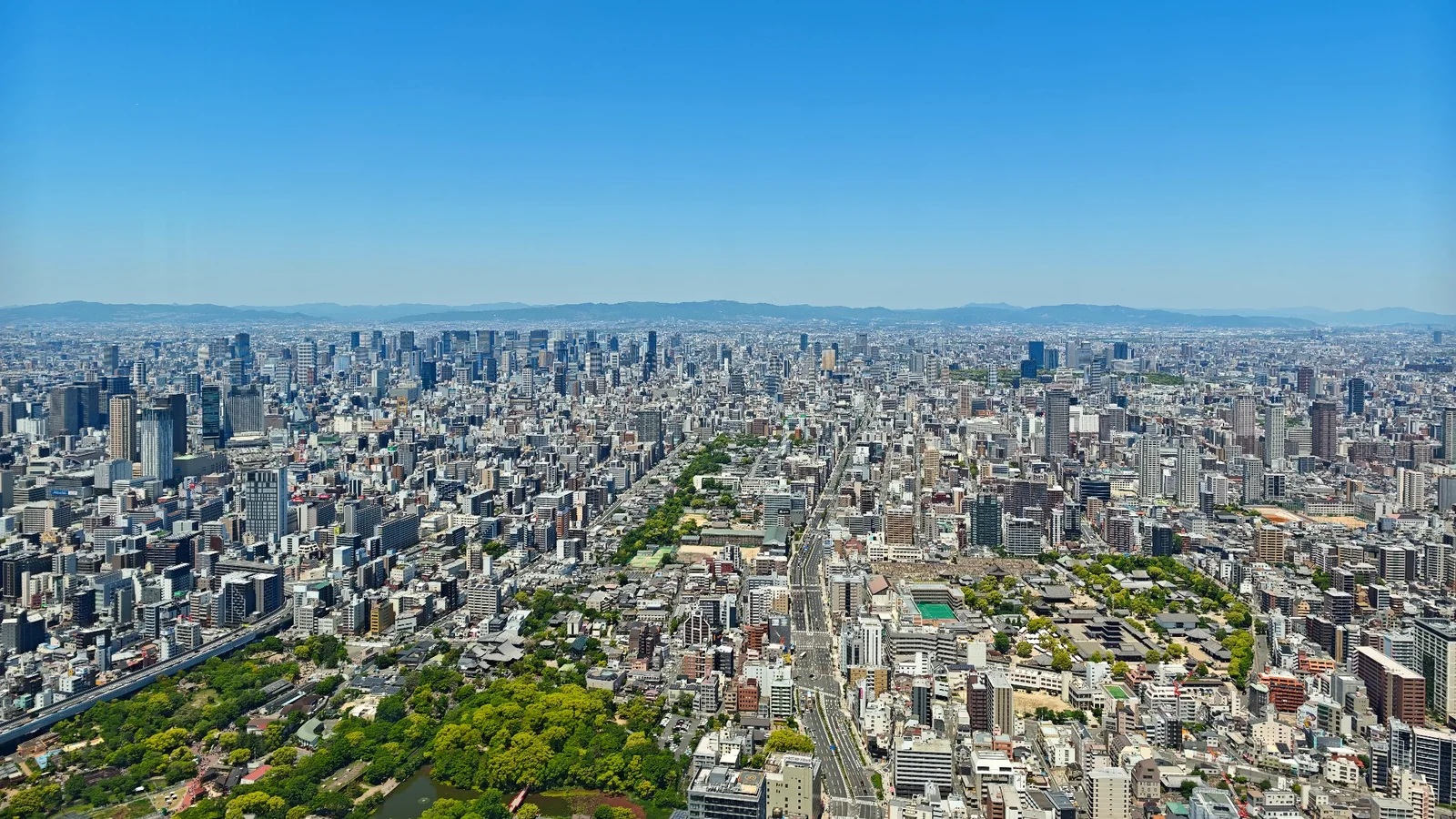
Featured image credit: Osaka skyline from Abeno Harukas by
Loggieloggie,
Wikimedia Commons, CC0 1.0. Cropped, adjusted and converted to WebP.