Dotonbori is bright, loud, and worth seeing at least once. The giant signs, canal reflections, and crowds are part of the classic Osaka experience. But when local people plan a night out, they do not automatically head for the Glico sign.
Osaka’s evening culture is spread across compact neighborhoods, each with its own rhythm. One area is built for casual izakaya hopping, another is better for a slow dinner and serious cocktails, and another is most enjoyable with no drinking at all. A few train stops—or even a short walk—can completely change the mood of the night.
This guide is designed for travelers who want to go beyond a checklist of famous bars. Instead of ranking dozens of venues, it helps you choose the right area for the kind of evening you actually want. You will find retro streets, tiny standing bars, food-focused neighborhoods, polished cocktail counters, and quiet riverside views.
Most of these areas are easy to reach by train, but Osaka’s rail network can feel more confusing late at night. Before going out, save your return route and check the final train for the exact line and destination you need. Our complete Osaka transportation guide explains the city’s main railway and subway systems.
Quick Guide: Choose Your Osaka Night
Use this overview to choose a base for the evening. Budget levels are relative: “low” generally means casual standing bars and inexpensive izakayas, while “high” points to refined dining, cocktail bars, and venues where a cover or seating charge may apply.
Ura Namba
Best for: Your first casual bar-hopping night
Mood: Busy lanes, counters, and small izakayas
Budget: Low to moderate
Access: Namba or Nippombashi
Shinsekai
Best for: Retro Osaka, neon, and kushikatsu
Mood: Colorful, nostalgic, and visitor-friendly
Budget: Low
Access: Ebisucho, Dobutsuen-mae, or Shin-Imamiya
Tenma
Best for: A lively local izakaya crawl
Mood: Social, crowded, and informal
Budget: Low to moderate
Access: JR Tenma
Fukushima
Best for: Travelers who care about both food and drinks
Mood: Compact, creative, and more grown-up
Budget: Moderate
Access: JR Fukushima or Shin-Fukushima
Kyobashi
Best for: A rougher-edged, deeply local night
Mood: Unpolished, energetic, and commuter-heavy
Budget: Low
Access: Kyobashi
Kitashinchi and Umeda
Best for: Upscale dining and serious cocktails
Mood: Polished, discreet, and late-night
Budget: Moderate to high
Access: Kitashinchi or Osaka-Umeda
Nakanoshima
Best for: A quiet walk or alcohol-free evening
Mood: Calm, scenic, and romantic
Budget: Free to moderate
Access: Yodoyabashi, Kitahama, or Naniwabashi
Choose the Right Base for Osaka Nightlife
Where you stay can make a noticeable difference after the last stop of the evening. Osaka’s trains are convenient, but staying close to the neighborhoods you plan to visit means fewer transfers and less pressure around the final train.
Affiliate disclosure: This section contains affiliate links. If you make a booking through one of them, Local Steps Japan may receive a small commission at no additional cost to you.
Stay in Namba for South Osaka
Namba is the most convenient base for Ura Namba, Hozenji Yokocho, Dotonbori, and Shinsekai. It is a practical choice for travelers who want restaurants, bars, shopping, and late-night food within walking distance or a short train ride.

Stay in Umeda for North Osaka
Umeda is a better base for Tenma, Fukushima, Kitashinchi, and Nakanoshima. Osaka Station also provides useful connections for day trips and makes it easy to return after dinner in the northern half of the city.

1. Ura Namba: Best for an Easy First Bar Hop
Ura Namba is one of the easiest places to try a more local Osaka night without giving up the convenience of the city center. The name loosely refers to the dining lanes around the east and southeast sides of Namba, where small izakayas, standing bars, yakiniku restaurants, seafood counters, and casual drinking spots sit close together.
Its biggest advantage is flexibility. You do not need a complicated plan or a taxi ride across the city. Start with dinner, walk for a few minutes, and decide whether you want one more drink based on what looks inviting. Solo travelers, couples, and small groups generally have more options than large parties because many venues have only a handful of counter seats.
Compared with Dotonbori, Ura Namba feels more focused on eating and drinking than sightseeing. It is still popular and can be crowded, especially on Friday and Saturday evenings, but the experience is less about standing beneath a famous sign and more about moving between compact, characterful venues.
Hozenji Yokocho is not hidden from tourists, but it remains a useful contrast to the surrounding neon. The narrow alley behind Hozenji Temple is lined with long-established restaurants and bars, making it a better place for a slow final drink than another lap around the Dotonbori canal.
For a deliberately theatrical cocktail stop, Bible Club Osaka is one of our personal picks. It is in Shinsaibashi rather than Ura Namba itself, so treat it as a separate stop before or after dinner instead of part of a tightly packed bar crawl.
If food is the priority, Ura Namba also fits naturally into our one-day Osaka food itinerary. The area works particularly well when you are staying in Namba and want a lively evening without worrying about a long journey back to your hotel.
2. Shinsekai: Best for Retro Osaka After Dark
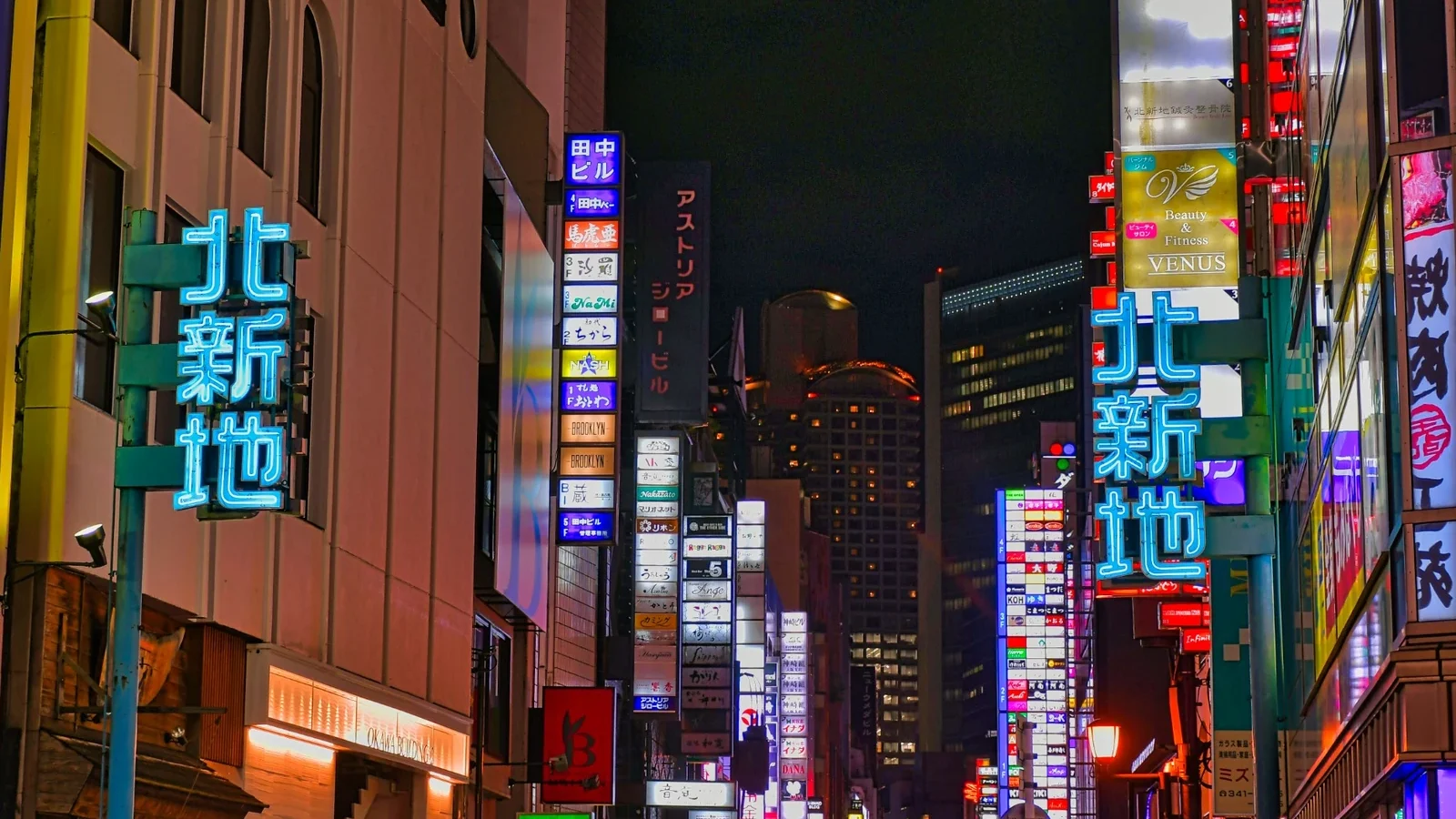
Shinsekai offers one of Osaka’s most recognizable night scenes: Tsutenkaku Tower rising above glowing restaurant signs, giant decorations, kushikatsu shops, and streets that lean proudly into the city’s retro image. It is visually louder than Ura Namba, but the mood is different from Dotonbori. Shinsekai feels more nostalgic, compact, and centered on inexpensive food.
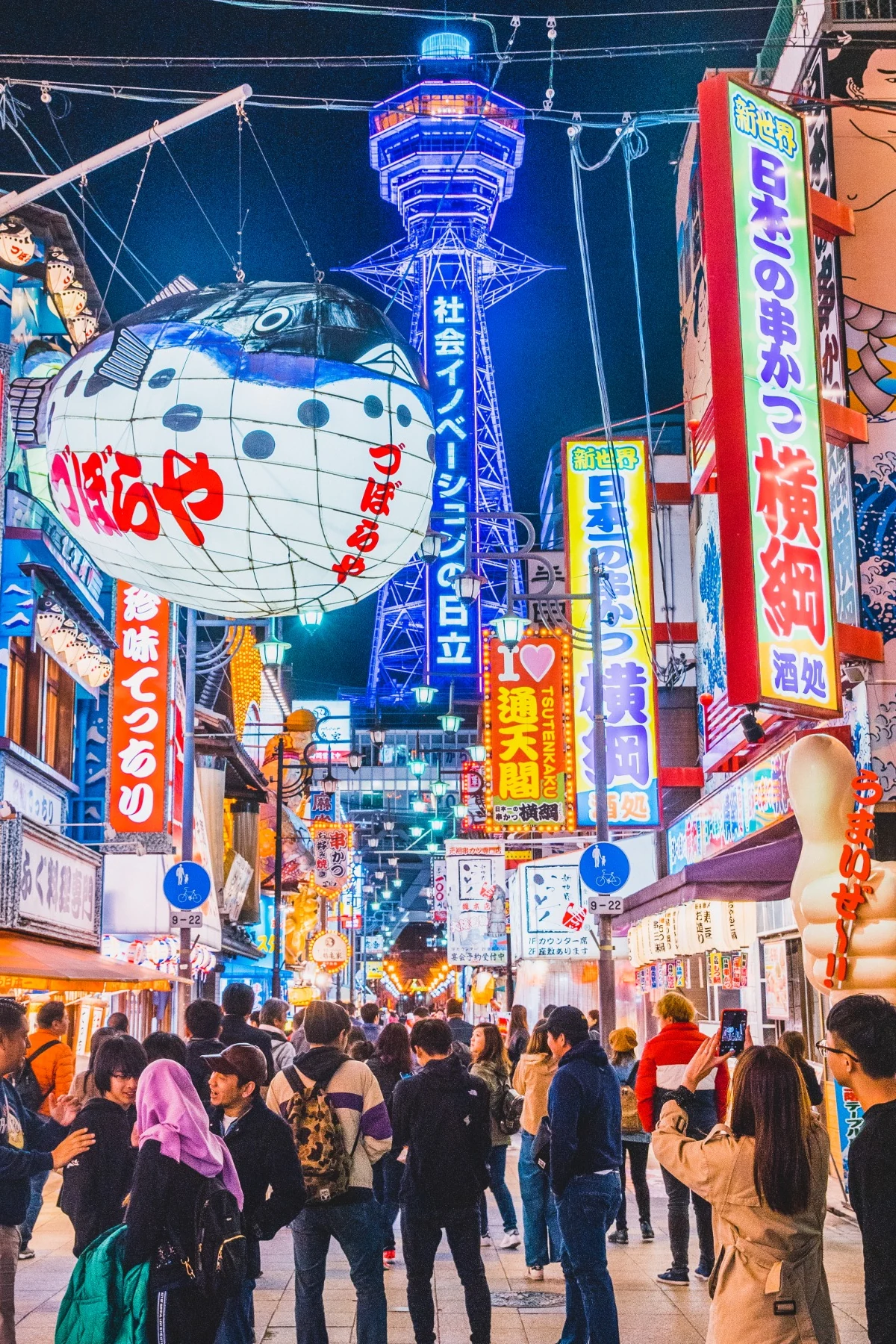
This is a good choice when you want the evening itself to feel like sightseeing. You can arrive before sunset, eat kushikatsu or doteyaki, explore Janjan Yokocho, and then walk back beneath the illuminated tower. The area is easy to understand on foot, so it works well for travelers who do not want to research several bars in advance.
Shinsekai is less suitable for a polished cocktail night. Its strengths are atmosphere, casual dining, old-school storefronts, and the feeling of wandering through a stylized version of postwar Osaka. Some venues close earlier than bars in Namba or Kitashinchi, so it is usually better as an early-evening destination than as the final stop of a very late night.
Janjan Yokocho, the covered shopping street running toward Tsutenkaku, adds another layer of local character. Walk slowly, look at menus before entering, and choose a place based on the atmosphere rather than trying to complete a fixed list.
3. Tenma and Ura-Tenma: Best for a Lively Local Night
Tenma is where the evening starts to feel more like a neighborhood night out than a tourist attraction. Around JR Tenma Station and the nearby lanes, compact izakayas, standing bars, grilled-meat restaurants, seafood spots, and casual wine bars compete for a small amount of space. The result is noisy, friendly, and often packed.
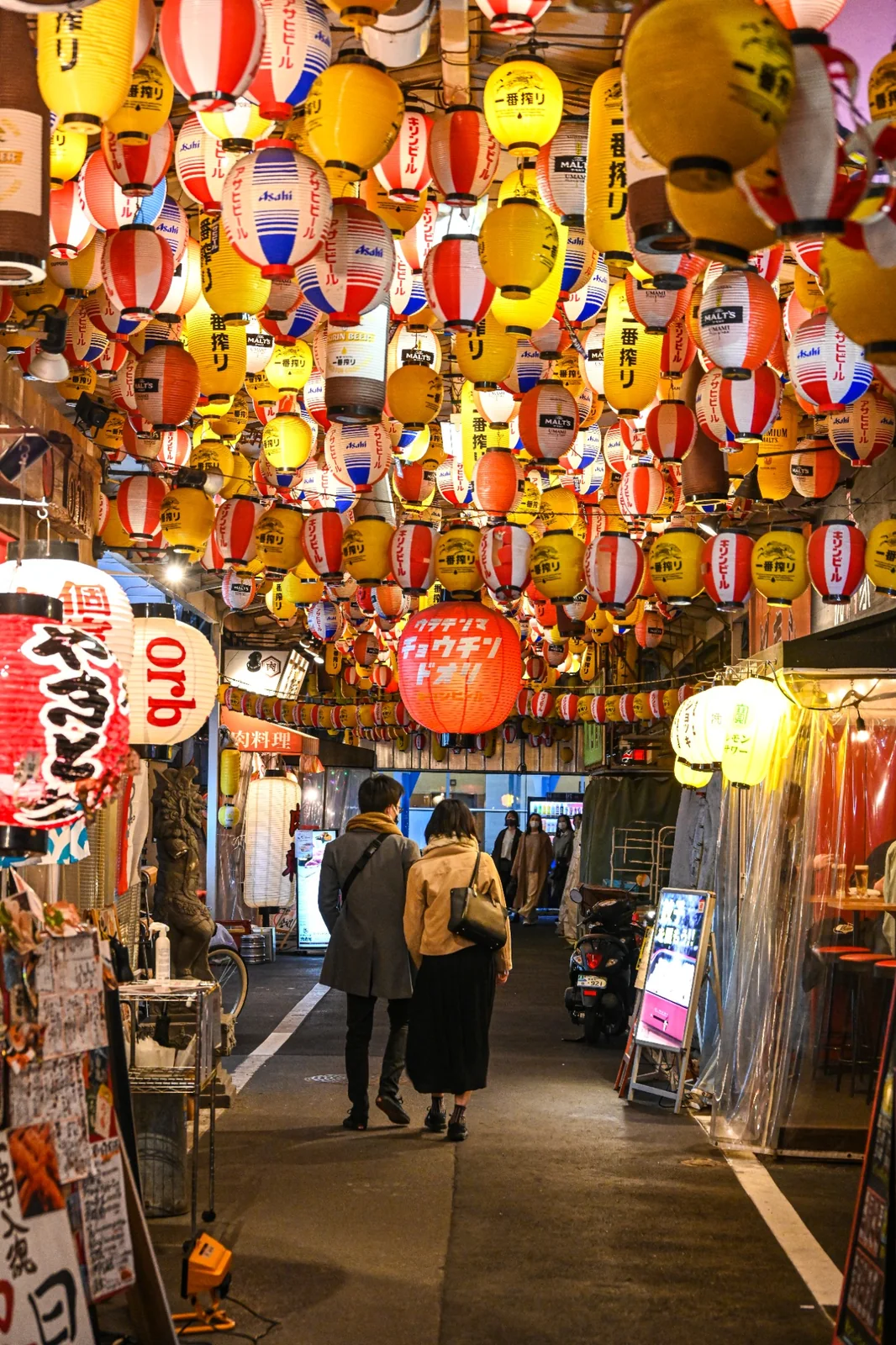
The appeal is not one famous restaurant. It is the density of choices and the energy created by people moving from one place to another. You might begin with sashimi at a counter, continue with grilled skewers or gyoza, and finish at a tiny bar—all without walking more than a few blocks.
Tenma can be slightly more challenging than Ura Namba for visitors who need English menus or lots of space. Some shops are narrow, some are designed mainly for counter dining, and popular places may have a queue. That is part of the experience, but it also means the area works best when you stay flexible. When one venue is full, moving on is often better than waiting for half the evening.
The neighborhood is especially convenient for travelers staying near Umeda. JR Tenma Station is only one stop from Osaka Station. For a full daytime-to-night route through this side of Osaka, see our one-day Osaka itinerary through Tenma and Nakazakicho.
4. Fukushima: Best for a Food-Focused Night
Fukushima is one of the best areas in Osaka for travelers who want the food to be as memorable as the drinks. Located just one stop from Osaka Station on the JR Osaka Loop Line, the neighborhood combines convenient access with a much more compact and local atmosphere than Umeda.
Restaurants and bars are spread through narrow streets, beneath railway tracks, and around JR Fukushima and Shin-Fukushima stations. You will find traditional Japanese dishes, grilled meat, seafood, wine bars, ramen shops, and small counters that are easy to miss during the day.
Fukushima is not necessarily the cheapest nightlife area in Osaka, but it offers a strong balance between quality and informality. It works particularly well for couples, small groups, and travelers who would rather plan the evening around one memorable dinner than visit five inexpensive standing bars.
Try a More Unusual Local Dinner
One option for adventurous diners is Ketobashiya Champion Fukushima, which specializes in horse meat. Its best-known dishes include basashi—thinly sliced raw horse meat—served as an assortment of different cuts.
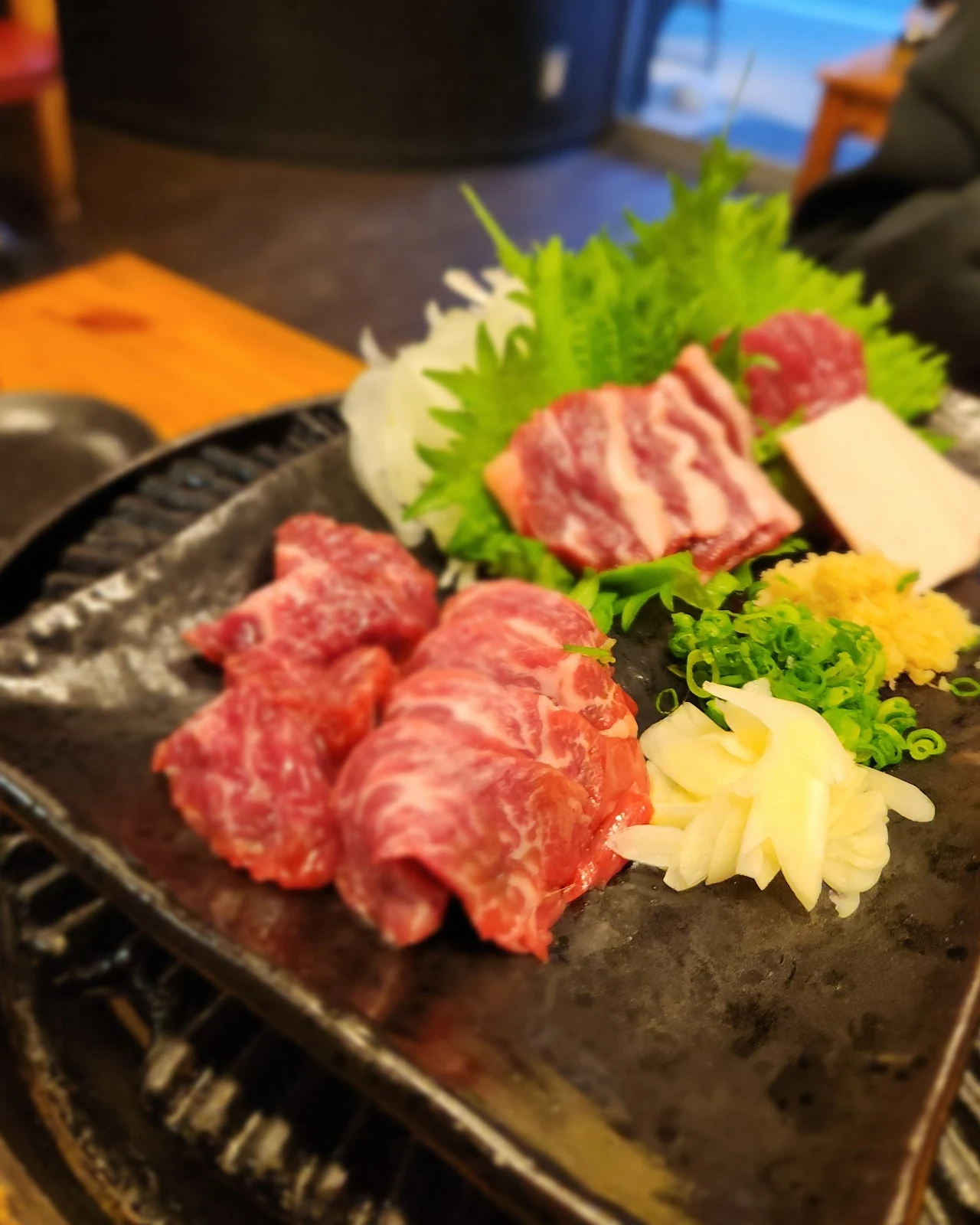
Basashi is not something every visitor will want to try, but it shows why Fukushima is such an interesting dinner neighborhood. The area is not limited to famous Osaka staples such as takoyaki and okonomiyaki. It rewards travelers who are willing to explore specialist restaurants and dishes that are less common on standard sightseeing routes.
Because raw meat may not suit every traveler, check the menu before visiting and choose according to your dietary needs. Groups with mixed preferences may find Fukushima’s seafood, yakitori, oden, or casual Italian restaurants easier to share.
Hanakujira: A Classic Oden Stop
For something more traditional and comforting, Hanakujira is one of Fukushima’s best-known oden restaurants. Oden consists of ingredients slowly simmered in a light dashi broth, making it especially appealing during Osaka’s colder months.
One of Hanakujira’s signature items is negibukuro, a fried tofu pouch filled generously with green onions and ginger. It is simple, warming, and far more representative of an everyday Japanese drinking night than many dishes designed specifically for visitors.
View this post on InstagramA post shared by 花くじら (@hanakujira_)
Hanakujira is popular, and the experience may involve waiting rather than sitting down immediately. Treat it as one possible stop rather than the only reason for your evening. If the line is longer than expected, Fukushima has enough nearby alternatives to change plans without leaving the neighborhood.
A Quiet Drink in Fukushima
Bar Miyazaki is another of our personal recommendations in the neighborhood. It is close to Shin-Fukushima Station and suits travelers who want a calmer drink after dinner rather than another crowded izakaya. As with any small independent bar, check the latest opening information before making it the essential final stop of your night.
5. Kyobashi: Best for a Deeper Local Experience
Kyobashi feels different from the polished commercial districts surrounding Osaka and Umeda stations. It is a major commuter hub served by JR, Keihan Railway, and the Osaka Metro, but the streets around the station retain a busy, slightly rough-edged drinking culture.
This is the area to choose when you want inexpensive izakayas, standing bars, grilled dishes, and a night that does not feel designed for international visitors. Office workers and regular customers move quickly between small venues, especially during the early evening.
The appeal of Kyobashi is its lack of polish. Signs compete for attention, restaurants sit beneath railway tracks, and some entrances can feel difficult to interpret from the outside. English menus are less consistent than in Namba, and certain venues may be easier for confident travelers than for someone experiencing a Japanese izakaya for the first time.
That does not mean you need advanced Japanese. A friendly greeting, pointing to menu items, and being willing to accept a little uncertainty can go a long way. Travelers who want predictable pricing, spacious seating, and more English support may feel more comfortable in Ura Namba or Fukushima.
Kyobashi is particularly good for budget-conscious travelers. Standing bars and older izakayas can offer reasonably priced drinks and small dishes, allowing you to try several things without committing to a long formal meal.
6. Kitashinchi and Umeda: Best for an Upscale Bar Night
Kitashinchi represents a more refined side of Osaka after dark. Located south of Osaka Station, the district is known for small restaurants, cocktail bars, Japanese dining, and discreet venues that cater largely to business customers and experienced local drinkers. Nearby Umeda broadens the options with serious bars inside and around the Osaka Ekimae Buildings and toward Nakazakicho.
The atmosphere changes noticeably from Fukushima or Tenma. Streets are quieter, signs can be restrained, and many of the best bars are located in basements or on upper floors rather than directly at street level. A venue can be excellent while remaining almost invisible from outside.
This part of Osaka is a good choice for a special dinner, carefully made cocktails, or a slower evening built around conversation. It is not the best option for travelers whose main priority is finding the cheapest possible drinks.
CRAFTROOM: Cocktails Worth Slowing Down For
For a serious cocktail stop near Kitashinchi Station, CRAFTROOM is one of our personal recommendations. It sits in the Osaka Ekimae Daiichi Building rather than inside the Kitashinchi entertainment streets, but it fits naturally into a night on the Kita side of the city.
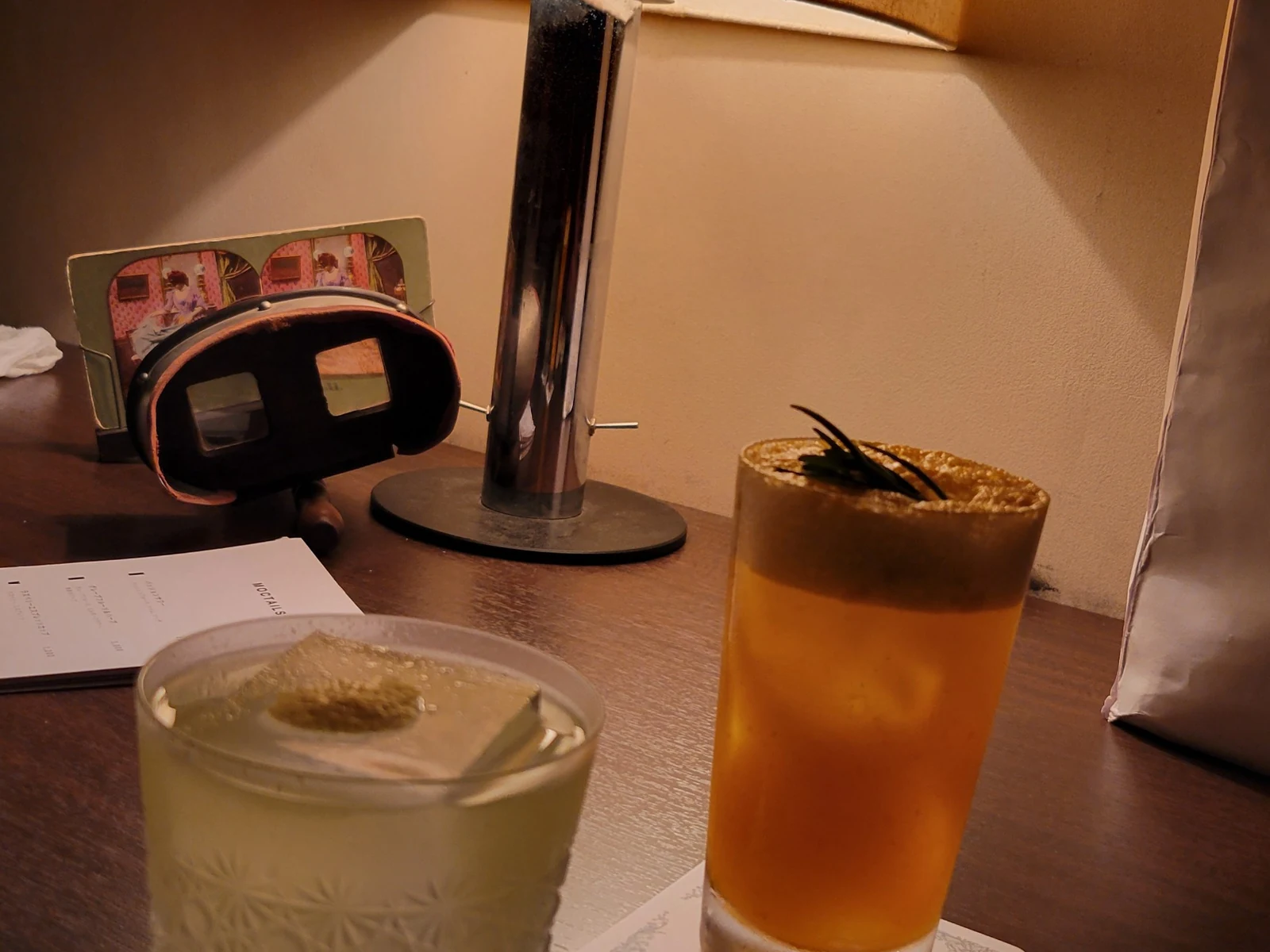
The appeal is not a loud concept or a long list of novelty drinks. It is the attention given to balance, presentation, and the experience of sitting at a well-run Japanese bar counter. Tell the bartender what spirits and flavors you enjoy, or order a familiar classic and see how the bar interprets it.
Do not assume that every bar operates like a casual pub. Some small bars apply a seating or cover charge, and one drink may cost considerably more than a highball in an izakaya. That extra cost usually reflects the setting, service, ingredients, and time spent preparing each drink.
Local Steps Japan’s Kita Bar Shortlist
A strong choice near Kitashinchi Station for carefully constructed cocktails and a focused counter experience.
A long-established Kitashinchi bar for classic cocktails, whisky, and a quieter atmosphere.
A personal recommendation in the Umeda–Nakazakicho side of Kita, suited to travelers who enjoy classic Japanese bar culture.
This shortlist is intentionally small. The point is not to visit every bar in one evening. Choose one that matches your style, confirm the latest opening information directly with the venue, and allow enough time to enjoy the experience without rushing to the next stop.
7. Nakanoshima: Best for a Quiet Night Without Bar Hopping
Not every good night in Osaka needs to revolve around alcohol. Nakanoshima offers a calmer alternative, with riverside paths, illuminated bridges, historic architecture, and office towers reflected on the water.
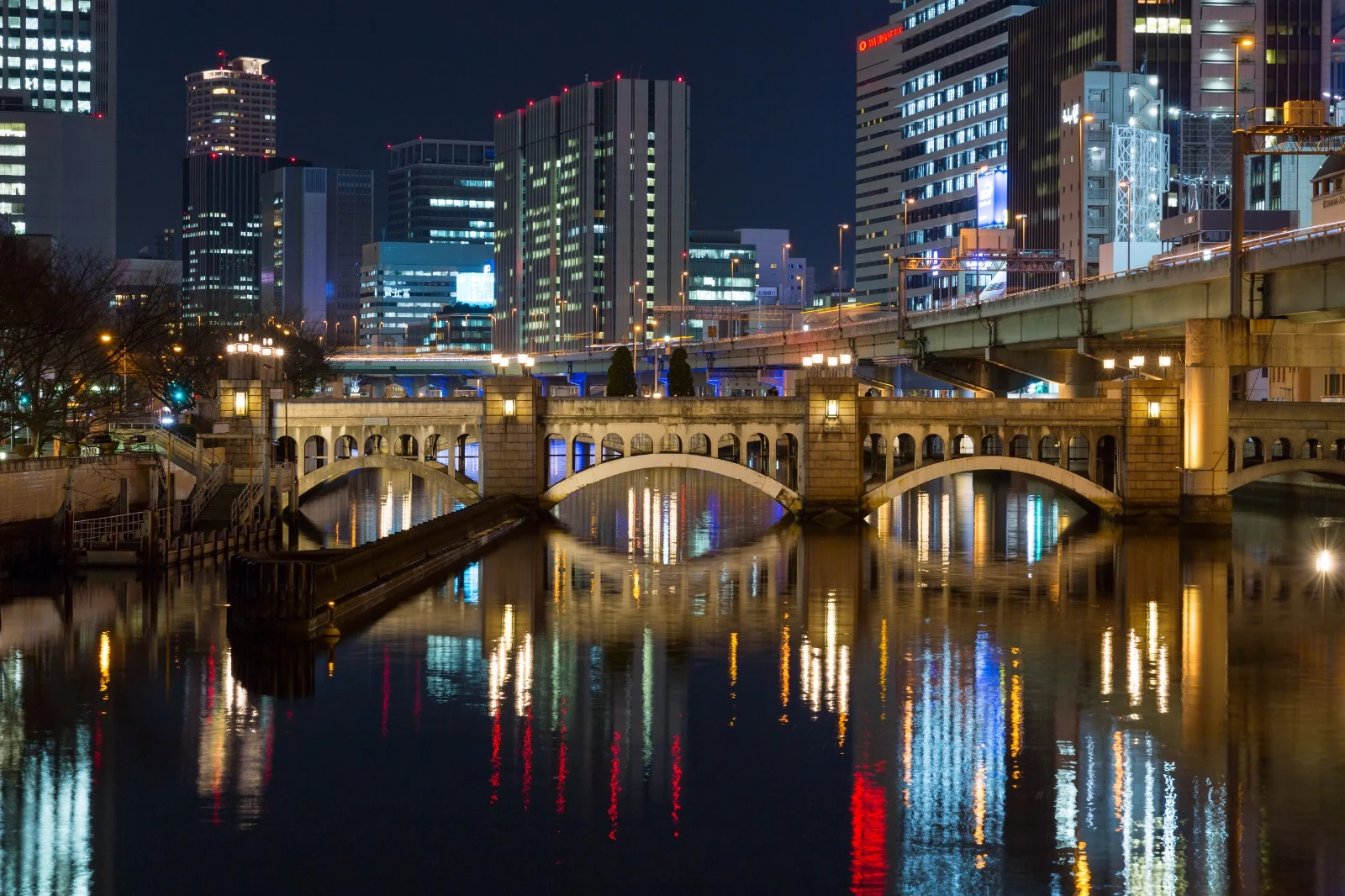
The eastern side of Nakanoshima, around the Osaka City Central Public Hall, Naniwabashi, Kitahama, and Yodoyabashi, is particularly suitable for an evening walk. The combination of water, bridges, older civic buildings, and modern towers gives this part of Osaka a more composed atmosphere than the neon streets farther south.
Nakanoshima works well for couples, solo travelers who prefer quiet city photography, families, and anyone who does not drink. It is also a useful final stop after dinner in Fukushima or Kitashinchi, provided you are comfortable walking or taking a short train ride.
This is not an entertainment district in the same sense as Tenma or Ura Namba. The pleasure comes from slowing down after dinner, seeing Osaka from the water’s edge, and enjoying a part of the city that feels spacious after the compact alleys of its drinking neighborhoods.
Which Osaka Nightlife Area Should You Choose?
There is no single nightlife district that represents all of Osaka. The best choice depends on whether you want inexpensive food, a polished cocktail, a retro streetscape, or a quiet walk after dinner.
- Choose Ura Namba for an easy first night with many small restaurants and bars close together.
- Choose Shinsekai for neon signs, retro Osaka scenery, kushikatsu, and an evening that also feels like sightseeing.
- Choose Tenma for a lively, inexpensive, and highly social izakaya crawl.
- Choose Fukushima when the quality and variety of the food matter as much as the drinks.
- Choose Kyobashi for a less polished neighborhood filled with commuters, standing bars, and old-school izakayas.
- Choose Kitashinchi and Umeda for refined dining, quieter bars, and carefully made cocktails.
- Choose Nakanoshima for a peaceful riverside walk, photography, or an alcohol-free evening.
Two Suggested Osaka Evening Routes
Trying to visit several distant nightlife areas in one evening usually creates more train travel than enjoyment. These two routes stay within one side of the city and leave enough flexibility for an unplanned stop.
Route A: A First Local Night in South Osaka
Route B: Food, Cocktails, and the Riverside in North Osaka
What to Know Before Going Out in Osaka
Charges and otoshi
- Some izakayas serve a small appetizer called otoshi and add a corresponding charge to the bill.
- Small bars may apply a seating, table, or cover charge.
- Check the menu or ask before ordering when the pricing system is unclear.
Cash, cards, and ordering
- Card and mobile payments are increasingly common, but carrying some yen is still useful at small independent venues.
- Ordering one drink per person is generally expected at bars and izakayas.
- At crowded venues, avoid occupying a table for a long time after finishing your food and drinks.
Final trains and late-night transport
- Final-train times differ by station, destination, line, and day, so check your exact route on the evening you go out.
- Save the name of your hotel in Japanese and keep enough money available for a taxi if you plan to stay out late.
- Our Osaka transportation guide explains the differences between JR, Osaka Metro, and the private railway networks.
Alcohol and identification
- The legal drinking age in Japan is 20.
- Some clubs and late-night venues may request official photo identification.
- Never drink and drive, including when using a rental car during your Japan trip.
Osaka Nightlife FAQ
Is Dotonbori still worth visiting at night?
Yes. The canal, illuminated signs, and crowds are part of Osaka’s most famous night view. The mistake is not visiting Dotonbori—it is assuming that the surrounding tourist district represents every kind of Osaka nightlife.
Which area is best for solo travelers?
Ura Namba and Tenma offer many counter-based venues where solo dining feels natural. Fukushima is also a good option when you choose one restaurant or bar in advance. Very small cocktail bars may be comfortable for solo guests but often have limited seating.
Can I enjoy Osaka nightlife without speaking Japanese?
Yes. English support is more likely in central Namba and Umeda, while more local neighborhoods may rely on photographs, translation tools, and simple Japanese. Staying patient and respectful matters more than speaking perfectly.
Which Osaka nightlife area is cheapest?
Tenma, Kyobashi, and parts of Shinsekai generally offer the easiest access to inexpensive standing bars, izakayas, and casual food. Kitashinchi is normally the most expensive area in this guide.
Where should I stay for Osaka nightlife?
Namba is the most convenient base for Ura Namba, Dotonbori, Hozenji Yokocho, and Shinsekai. Umeda is better for Fukushima, Kitashinchi, Tenma, and Nakanoshima. See the hotel-area comparison near the beginning of this guide.
Do I need reservations?
Not for every venue. Casual standing bars and many izakayas accept walk-ins, while small popular restaurants and serious cocktail bars may be difficult to enter without advance planning. Reserve the one place that matters most and keep the rest of the evening flexible.
Final Thoughts: Go Beyond the Brightest Signs
Dotonbori gives Osaka an instantly recognizable night image, but the city becomes more interesting when you choose a neighborhood based on the experience you want.
Ura Namba makes bar hopping easy. Shinsekai turns dinner into retro sightseeing. Tenma is crowded and social, Fukushima rewards serious eaters, and Kyobashi offers a less polished local atmosphere. Kitashinchi and Umeda slow the evening down with refined bars, while Nakanoshima proves that Osaka after dark does not have to involve drinking at all.
There is no need to complete every district in one trip. Pick one area, eat something memorable, allow time for an unexpected second stop, and return another night for a completely different version of Osaka.
Explore our Osaka local food guide, one-day food itinerary, or 15 hidden gems in Osaka.