Wakayama is easy to overlook when planning day trips from Osaka. Kyoto, Nara, and Kobe usually get most of the attention, while Wakayama City sits just to the south with a very different kind of day waiting for you.
In a single trip, you can explore a historic castle, eat one of Wakayama’s best-known bowls of ramen, visit a hillside temple, browse a seafood market, and finish beside the sea.
This itinerary is designed for public transportation, so you do not need a rental car. The main route is:
Wakayama Castle → Ide Shoten → Kimiidera Temple → Kuroshio Market & Wakayama Marina City
Saikazaki, a small fishing village on the coast, is included as an optional detour rather than part of the core schedule. Its bus connections are less convenient, so it works best when you have extra daylight and the timetable lines up.
Transport, restaurant hours, admission fees and facility calendars can change. Check essential details on official websites before traveling.
For a broader look at local cities beyond the usual Kyoto and Nara route, compare lesser-known day trips from Osaka before deciding where to spend your day.
Wakayama City Day Trip at a Glance
Full day · Train + bus + walking · No car required · Moderate walking · Best for history, local food, temples and seaside scenery
How to Get to Wakayama from Osaka
Wakayama City is close enough to Osaka for a straightforward day trip. Your best railway depends on where you are staying.
From Namba by Nankai Railway
If you are staying around Namba, Nankai Railway is convenient because trains run directly to Wakayamashi Station. From there, continue by local bus toward Wakayama Castle.
From Osaka or Tennoji by JR
If your hotel is closer to Osaka Station or Tennoji, JR may be easier. Travel to JR Wakayama Station, then take a local bus toward the castle.
Which Route Is Better?
Use whichever railway is easiest from your accommodation. For this itinerary, the important point is to reach the Wakayama Castle area close to 9:00 AM.
Check live train and bus directions on the day of travel rather than building the trip around one fixed connection.
9:00 AM — Start at Wakayama Castle
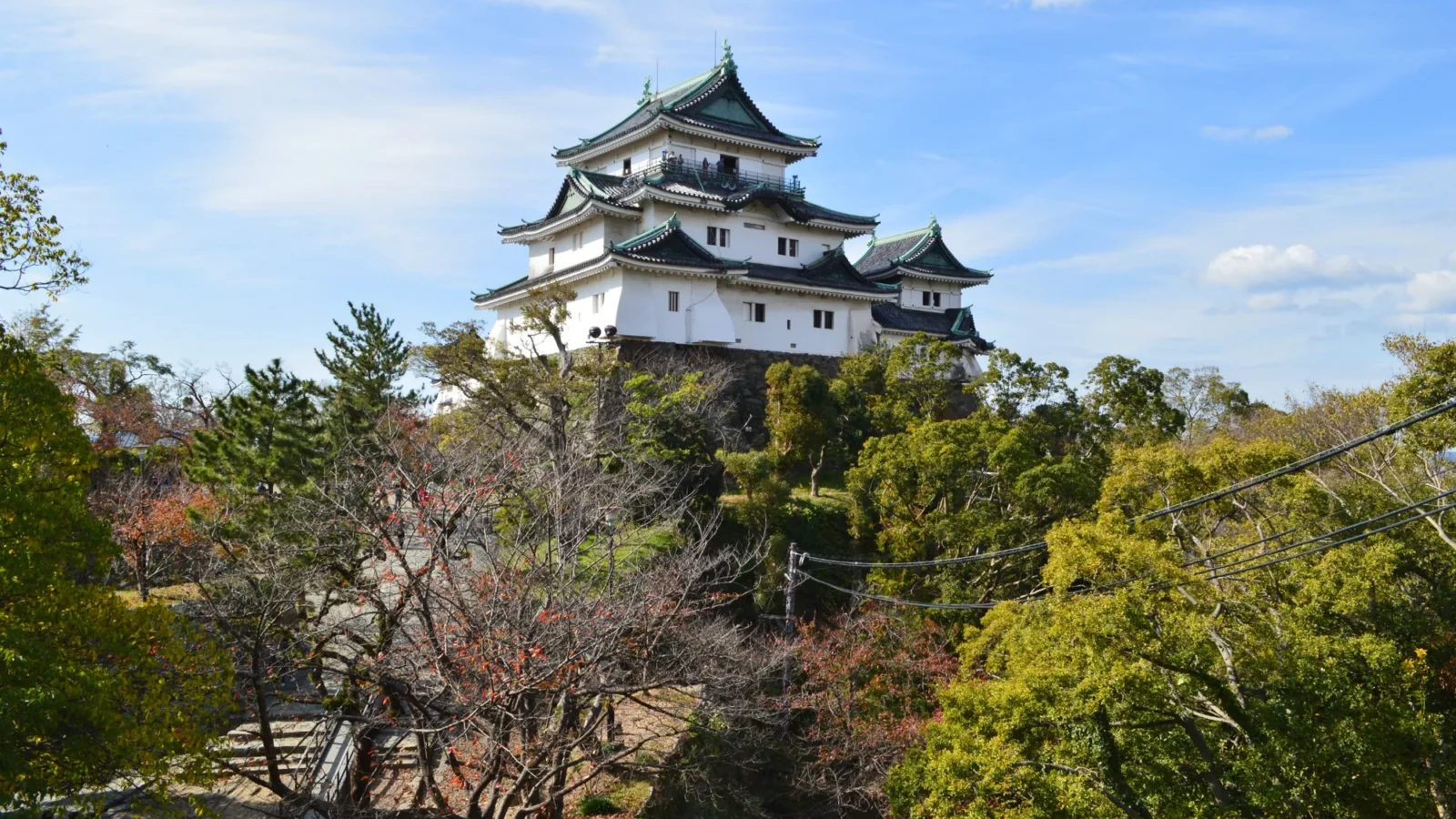
Wakayama Castle is the natural first stop. The castle was founded in 1585 under Toyotomi Hideyoshi’s orders and later became the seat of the Kishu branch of the Tokugawa family.
The current keep is a reconstruction, but the grounds still combine stone walls, gardens, historic structures and elevated views over central Wakayama.
The castle keep normally opens from 9:00 AM to 5:30 PM, with last admission at 5:00 PM. Adult admission is currently ¥410.
Check current Wakayama Castle hours and admission
Climb to the Castle Keep
The castle grounds are hillier than they may appear on a map. Depending on your approach, you will encounter slopes and a substantial number of steps before reaching the keep.
Inside, exhibitions introduce the castle’s history, while the upper level gives you a useful view across the city before the route continues south toward Kimiidera and the coast.
Don’t Miss Nishinomaru Garden
If time allows, walk through Nishinomaru Garden, also known as Momijidani Garden. It adds a quieter landscaped section to the castle visit and is especially attractive in autumn.
How Long to Spend Here
Aim for roughly 9:00–10:30 AM. Around 90 minutes is enough to see the keep and part of the grounds without turning the first stop into a half-day visit.
11:30 AM — Eat Wakayama Ramen at Ide Shoten
Wakayama has its own ramen culture, and Ide Shoten is one of its best-known names. The shop began in 1953 and is closely associated with a rich pork-bone-and-soy-sauce style of chuka soba.
Its current official hours are 11:30 AM–10:00 PM, with Thursday listed as the regular closing day.
Check the latest Ide Shoten information
What Makes Wakayama Ramen Different?
In Wakayama, ramen is often simply called chuka soba. Ide Shoten’s bowl is known for a rich, emulsified pork-and-soy-sauce broth with a deep flavor and a relatively simple topping style.
Try Haya-zushi with Your Ramen
One of the more distinctive local customs is eating haya-zushi, a small pressed sushi, alongside chuka soba. It is a small detail, but it makes lunch feel much more specific to Wakayama.
Local Tip
Queues can form at popular times, so this route aims to arrive close to the 11:30 opening rather than during the middle of the lunch rush. Allow around 45 minutes, with a little extra flexibility if there is a line.
1:00 PM — Visit Kimiidera Temple
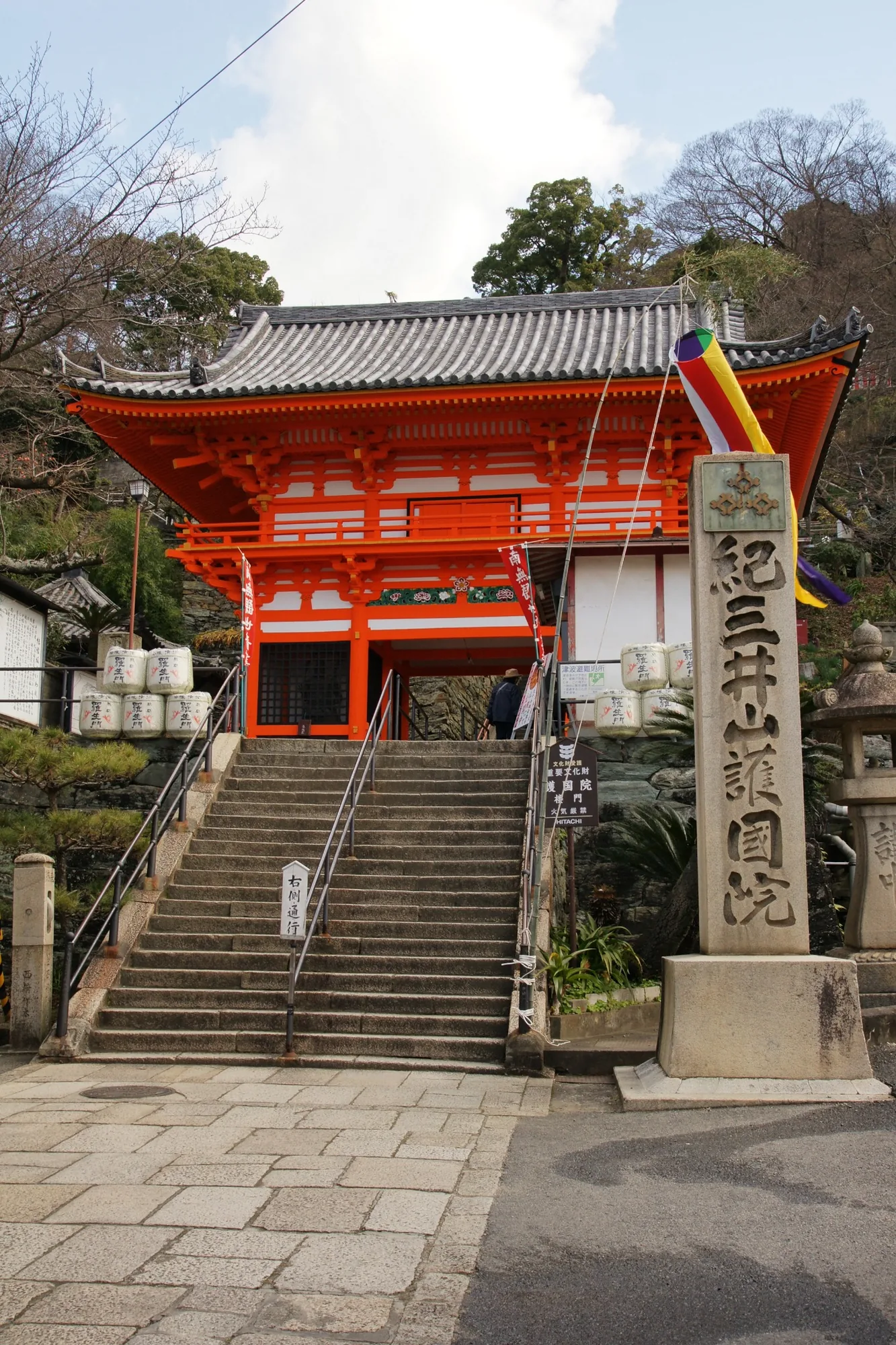
Kimiidera sits on the lower slopes of Mount Nagusa and gives the day a quieter, more elevated atmosphere after central Wakayama.
Climb the Historic Temple Approach
The traditional approach includes a long set of stone steps. Walking up is part of the experience, but you do not need to rush, especially in hot weather.
The temple’s current official information lists the main reception from 8:00 AM to 5:00 PM, the observation corridor from 8:30 AM to 4:30 PM, and cable-car operation from 8:30 AM to 4:30 PM.
Check current Kimiidera hours and fees
Stairs or Cable Car?
If the heat is intense, you have mobility concerns, or you simply want to conserve energy for the afternoon, the cable car is a practical alternative. Current admission and cable-car fees are shown on the temple’s official page and should be checked before visiting.
Take in the View over Wakayama
From the upper temple area, the city begins to open toward the coast. That makes Kimiidera a natural transition between the urban first half of the trip and the seaside afternoon.
How Long to Spend Here
Aim for approximately 1:00–2:15 PM. Before leaving, check the next bus toward Wakayama Marina City.
3:00 PM — Kuroshio Market & Wakayama Marina City
The final main area is Wakayama Marina City, an artificial island that includes Kuroshio Market, Porto Europa, an onsen, hotels and other leisure facilities.
For this day trip, focus on Kuroshio Market and Porto Europa.
Browse Kuroshio Market
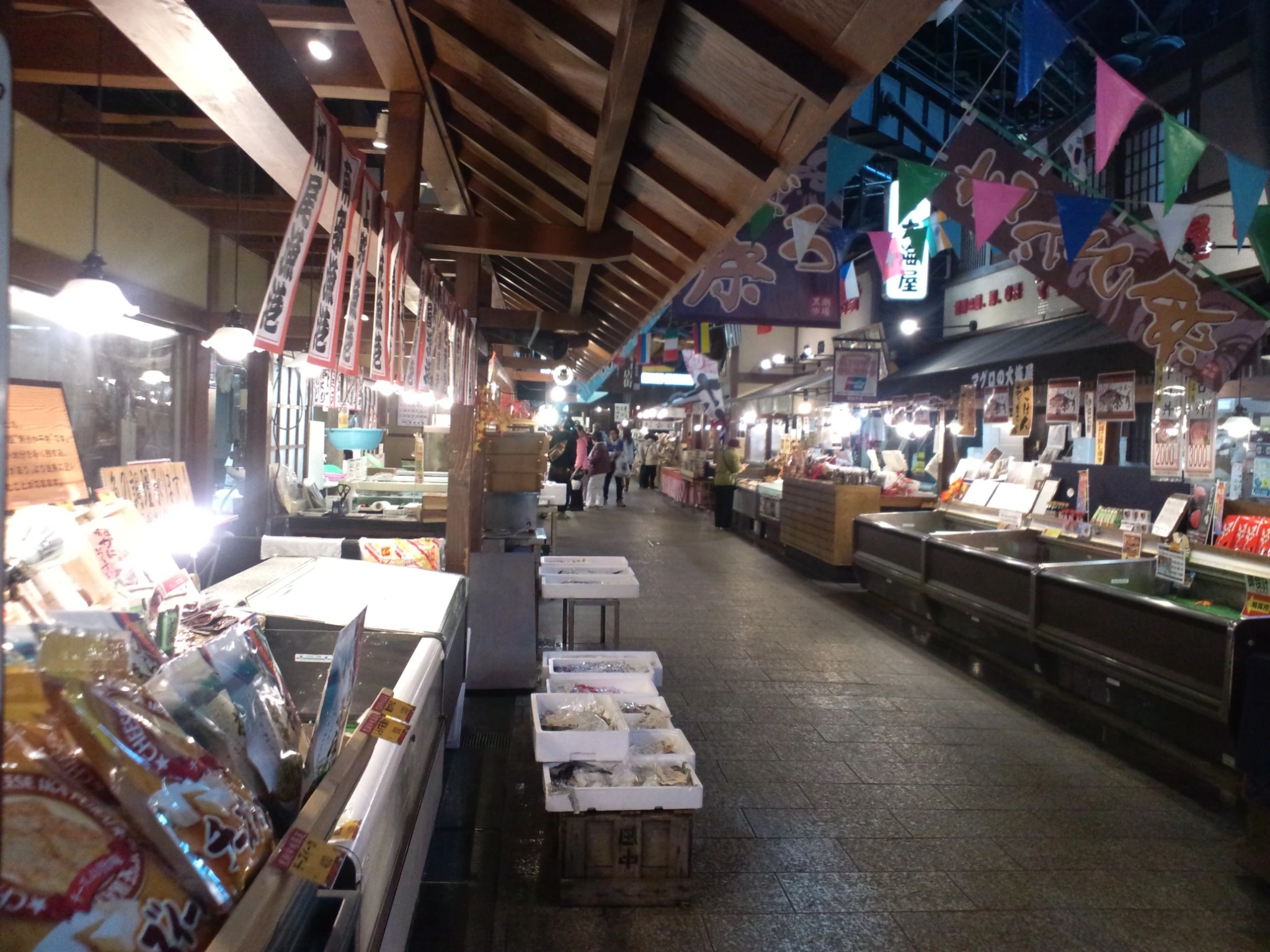
Kuroshio Market specializes in seafood, sushi, grilled food, tuna and local products. Since you already ate lunch at Ide Shoten, it works better here as a place to browse and try a small snack rather than as a second full meal.
The market also holds tuna-cutting demonstrations on selected schedules. Opening hours vary by date, so check the official calendar shortly before visiting.
Check the Kuroshio Market calendar
Walk Around Porto Europa
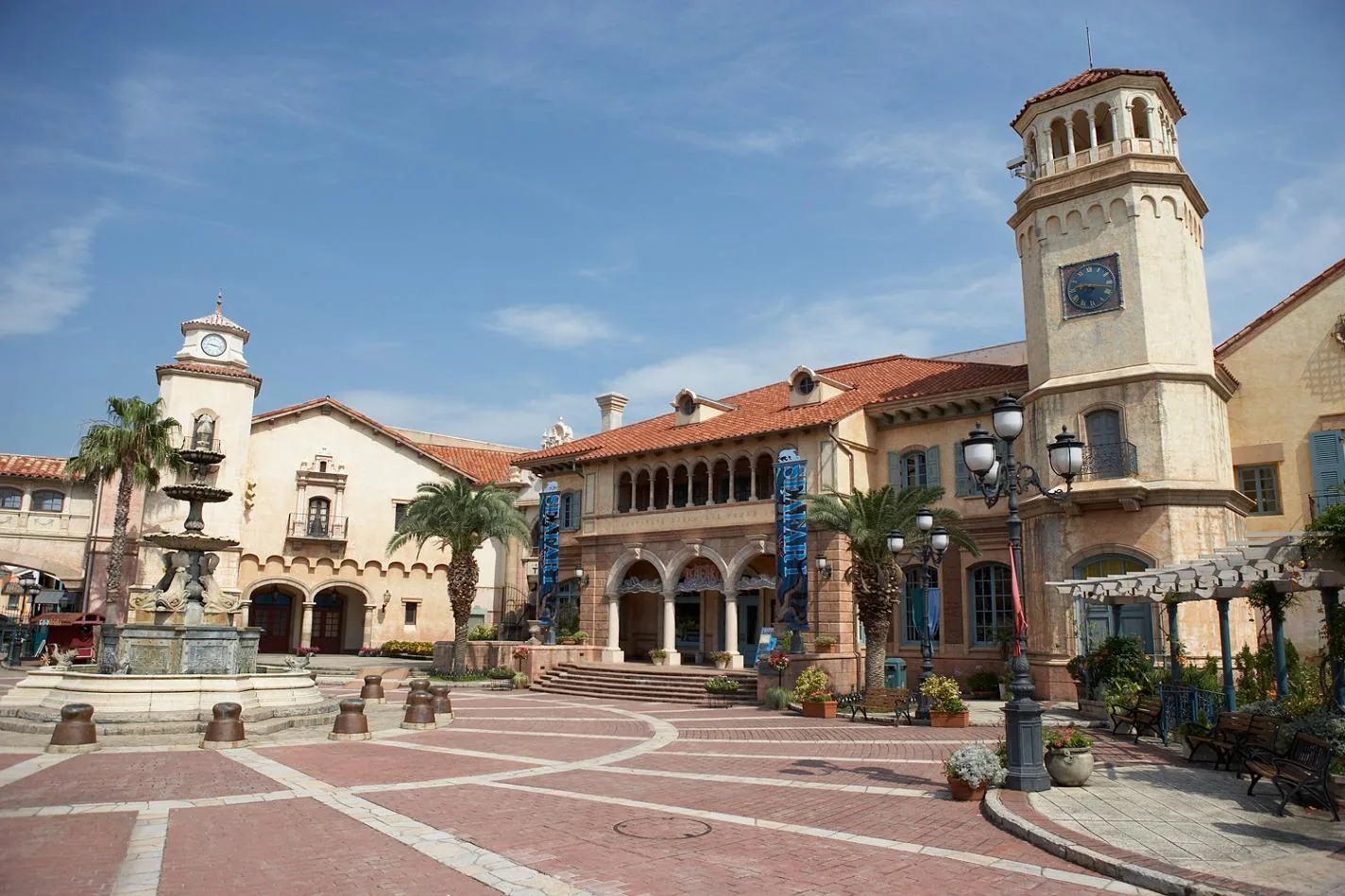
Porto Europa uses European-inspired streets and architecture beside the waterfront. You do not need to buy an attraction pass for this itinerary: general entry is normally free, although rides and special events require separate tickets.
Its opening hours vary by date and can include closed days, so check the official calendar rather than relying on a fixed closing time.
Check the Porto Europa calendar · Check current ticket information
How Long to Spend at Marina City
A useful guideline is 45–60 minutes at Kuroshio Market and 30–45 minutes around Porto Europa. Around 90 minutes total keeps the afternoon comfortable.
Optional Detour — Saikazaki Fishing Village
If you still have time and daylight, consider continuing to Saikazaki.
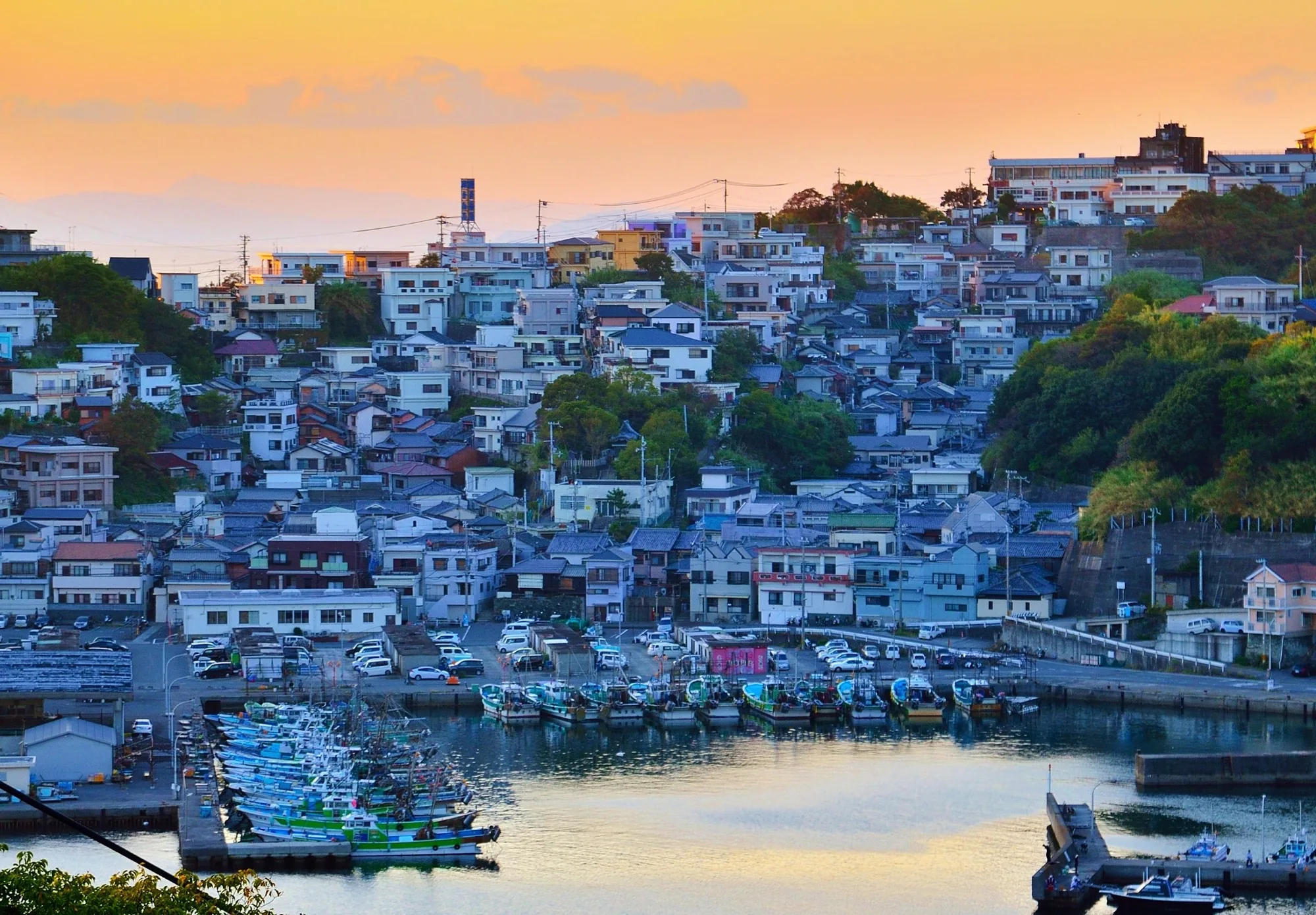
Saikazaki is a hillside fishing village with tightly packed houses, narrow streets and coastal views. It feels much more residential and local than Marina City.
Why Saikazaki Is Optional
The issue is transportation. Bus services are less frequent, and the connection from Marina City is not as simple as the earlier stages of the route.
Trying to force Saikazaki into every version of the day can turn a relaxed itinerary into a race against the timetable.
When the Detour Makes Sense
Add Saikazaki when daylight is long, you finish Marina City earlier than expected, the bus connections line up well, and you do not mind returning to Osaka later.
Allow at least 45–60 minutes for the village itself, excluding transport. Check the bus timetable before leaving Marina City.
Wakayama City Day Trip Map
The main map follows Wakayama Castle, Ide Shoten, Kimiidera Temple and Wakayama Marina City, with Saikazaki marked as an optional detour.
How Much Does a Wakayama City Day Trip Cost?
Costs depend on your Osaka starting point, railway choice, local transport, restaurant order and whether you use paid attractions or the Kimiidera cable car.
| Expense | Planning Estimate |
|---|---|
| Osaka–Wakayama round trip | About ¥1,800–¥3,000 |
| Local transport | About ¥800–¥1,500 |
| Wakayama Castle | ¥410 |
| Kimiidera | Check current admission / cable-car fees |
| Ramen lunch | About ¥1,000–¥1,500 |
| Kuroshio Market snack | About ¥500–¥1,500 |
| Porto Europa general entry | Free; attractions extra |
Typical planning budget: roughly ¥4,500–¥8,000+ per person, depending on transport and food choices.
This is a planning range, not a guaranteed total. Check current fares and prices before traveling.
Practical Tips for This Wakayama Itinerary
Check Bus Times Before You Go
The railway journey from Osaka is straightforward. Local buses require more attention, especially around Kimiidera, Marina City and Saikazaki.
Wear Comfortable Shoes
Wakayama Castle and Kimiidera both involve slopes or stairs. Add station transfers and Marina City walking, and this becomes a moderately active day.
Start Early
Leaving Osaka around 7:00–7:30 AM keeps the schedule comfortable and helps you reach Ide Shoten around opening time.
Keep Saikazaki Optional
If the day runs late, remove Saikazaki first. Do not shorten every main stop simply to squeeze in one extra destination.
Check Ide Shoten Before Traveling
Thursday is currently listed as the regular closing day, but temporary closures can happen. Check the official shop information before departure.
Check Marina City Operating Hours
Kuroshio Market and Porto Europa both use date-specific operating calendars. Check them shortly before your trip.
Best Time to Visit Wakayama City
Spring
Comfortable walking weather and seasonal scenery make spring one of the strongest periods for this route.
Summer
Summer provides the longest daylight but also the most heat and humidity.
Autumn
Autumn offers comfortable walking temperatures and attractive scenery around Wakayama Castle.
Winter
Winter is generally quieter, but the shorter daylight makes the optional Saikazaki extension more difficult.
Is Wakayama City Worth a Day Trip from Osaka?
Yes, particularly if you have already visited the most famous Kansai day-trip destinations.
Wakayama City does not have the concentration of headline sights found in Kyoto or Nara. That is part of its appeal.
In one day, you can experience a historic castle, a distinctly local ramen culture, a hillside temple, fresh seafood and the coast without building the entire trip around major tourist crowds.
More Day Trips from Osaka
- Koyasan from Osaka: Day Trip or Overnight Temple Stay?
- Shirahama Day Trip from Osaka: Sandanbeki, Seafood & Hot Springs
- 5-Day Osaka and Kansai Itinerary for Repeat Visitors
- Getting Around Osaka
Frequently Asked Questions
Can you visit Wakayama City as a day trip from Osaka?
Yes. Wakayama City is close enough to Osaka for a comfortable full-day trip, especially if you start early.
Can you do this itinerary without a car?
Yes. The main route works with trains, buses and walking. A car would make some coastal connections easier, but it is not required.
What are the must-see places in Wakayama City?
For this route, the strongest combination is Wakayama Castle, a local Wakayama ramen lunch, Kimiidera Temple and Wakayama Marina City.
Is Wakayama Castle worth visiting?
Yes. It is centrally located, gives useful historical context, and fits naturally into a public-transport day trip.
What is special about Wakayama ramen?
Wakayama ramen is locally associated with chuka soba, including rich pork-and-soy-sauce styles such as the bowl served at Ide Shoten. Haya-zushi is also closely associated with the local ramen experience.
Is Kimiidera difficult to climb?
The traditional approach includes substantial stairs and slopes, but a cable car provides an alternative.
Is Kuroshio Market worth visiting after ramen?
Yes, but treat it as a browsing and snack stop rather than a second full lunch.
Should I visit Saikazaki on the same day?
Only if daylight, bus schedules and your energy level all work in your favor. It is a bonus stop rather than an essential part of the itinerary.
What is the best season for a Wakayama City day trip?
Spring and autumn offer the easiest walking conditions. Summer provides the most daylight, while winter is quieter but makes the Saikazaki detour less practical.
Final Thoughts
Wakayama City works best when you stop trying to compare it with Kyoto or Nara.
The appeal is the mix: start above the city at Wakayama Castle, sit down for local ramen, climb into the quieter grounds of Kimiidera, and finish beside the sea.
For a destination close enough to Osaka for a day trip, that is a lot of variety without needing a rental car.
If you have already seen the headline sights of Kansai and want a slower, less predictable day trip, Wakayama City is well worth considering.